
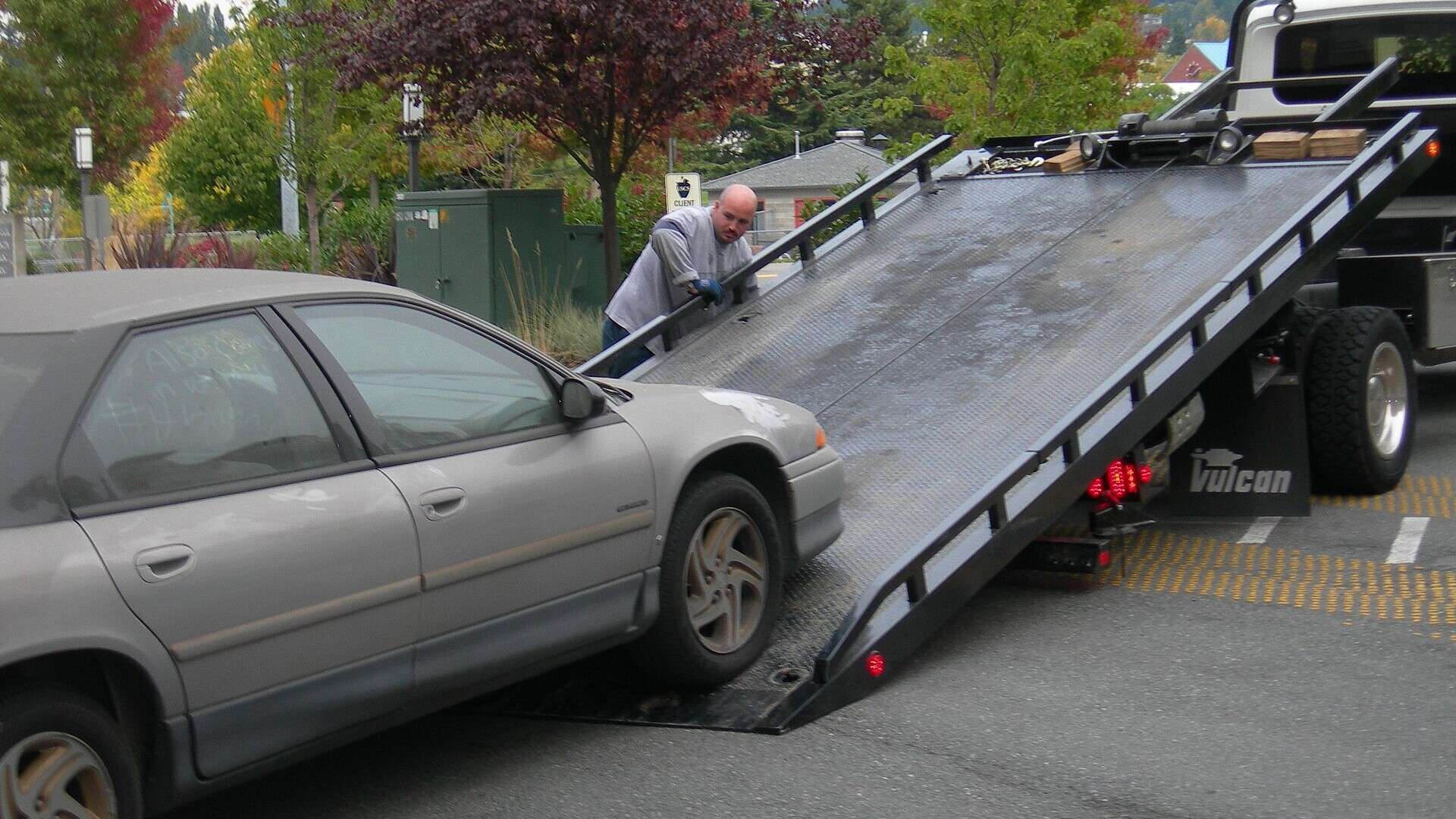
A Petersburg, Virginia, woman’s 2008 Volkswagen Tiguan was stolen from in front of her house at 6:30 a.m. on July 28. By July 31, she said, officers had found it less than a mile away and had it towed to Marby’s Garage & Towing on West Washington Street. When she went to pick it up, she told Richmond station WWBT, the yard wanted $960.
She couldn’t pay it. The SUV stayed in the yard for weeks while she spent hundreds of dollars on Ubers, and a letter arrived from the Virginia Department of Motor Vehicles saying the towing company was seeking a lien on the car over the unpaid storage bill. After the station’s 12 On Your Side unit visited Marby’s, she went back with her police report, her driver’s license and proof of ownership, and the yard released the Tiguan without charging her anything, WWBT reported on Oct. 6.
The law that got her car back free was on the books the day of the $960 quote. Virginia Code § 46.2-1209 relieves the owner of a recovered stolen car of towing, storage and recovery fees and sends the bill to the state treasury when someone has to pay. It works only if the owner arrives with the right paperwork, and nothing in the statute guarantees that anyone tells her what that paperwork is.
A $960 quote and a car pulled from down a hill
By her account to WWBT, an employee at the counter said the price reflected two trucks, because the Tiguan had been found down a hill. “I didn’t ask them to tow my car,” she told the station.
When WWBT reporter Franklin White went to the yard, a woman who said she runs operations there said she hadn’t known the car was stolen when it came in and hadn’t heard from the owner or anyone else about it. She described the DMV letters as something the business has to run after a set number of days when a vehicle sits unclaimed, and said owners who bring a police report showing a theft get their vehicles back. The owner returned the next day with the report and left with her car.
Police ordered the tow after recovering a car reported stolen, so the theft was on record before the Tiguan was hooked. Whether anyone passed it along at the scene isn’t in the public record. Petersburg police told WWBT only that the theft case remains active.
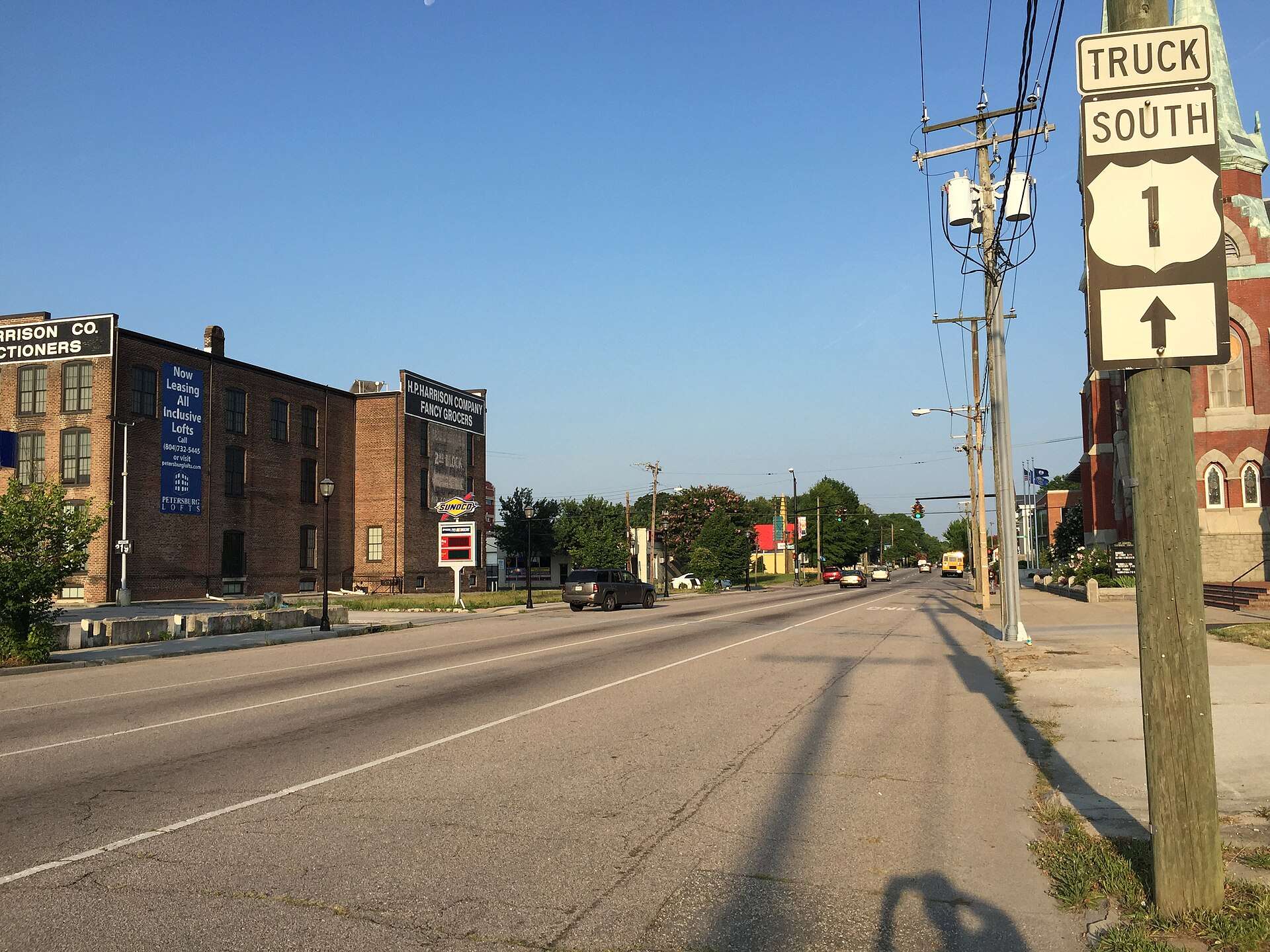
_between_Union_Street_and_Market_Street_in_Petersburg,_Virginia.jpg)
What Virginia’s stolen-vehicle towing law says
Subsection C of § 46.2-1209 covers any vehicle “stolen or illegally used by a person other than the owner.” It says the car “shall be forthwith returned” to its owner, who is relieved of the towing operator’s daily storage, towing and recovery fees if the owner removes the vehicle within five business days of receiving written notice by certified mail, return receipt requested.
The owner has to give the storage facility two things: the police report number with the name of the agency that took the report, and a valid registration or other proof of ownership. The statute doesn’t ask for cash, a court order or a letter from an insurer.
The five-day window starts when the owner receives that certified letter, and the statute doesn’t say who is supposed to send it. The Petersburg owner told WWBT she never got one. On a plain reading of the section, if no certified notice went out, the clock that would have shifted the charges onto her had not started when the yard quoted $960.
Missing the window doesn’t end the protection. An owner who comes later pays the full storage, towing and recovery charges to get the car out, then is entitled under the same subsection to seek reimbursement from the state treasury, out of the appropriation for criminal charges. The Supreme Court of Virginia’s Chart of Allowances, the July 15, 2026, edition that governs what that Criminal Fund pays, lists the § 46.2-1209 claim and directs owners to file Forms DC-40 and DC-288 with a copy of the police report showing the theft, the report number and agency name, and either proof of payment or the towing and storage invoice.
The tow yard has its own route to the same money. When the thief’s identity can’t be determined, the statute says the towing operator’s storage, towing and recovery fees are reimbursed from the state treasury, and it sets a 45-day deadline for treasury payments after an application. If an insurer has paid the theft claim and taken over ownership, the insurer pays the yard and then seeks its own reimbursement from the state. In every version, the tow gets paid for. The legislature’s choice is that the commonwealth’s criminal fund covers it and the theft victim doesn’t.
A DMV lien letter on a separate clock
The letter the owner received came out of a different chapter of the code. Under § 46.2-644.01, anyone who tows or stores a vehicle holds a lien on it for towing, storage, recovery and care. The keeper must check with DMV for a lien on the title within seven business days of taking possession. Once DMV sends the owner notice, the owner has 10 business days to reclaim the vehicle by paying the amount due “or other amount as agreed by the parties,” after which the keeper can move to enforce the lien and sell the car. A garage that receives a car under § 46.2-1209 gets that lien too, if it is established within 30 days of delivery.
Neither section refers to the other’s deadlines. A stolen-car owner can hold a statute saying she owes nothing and a DMV notice, issued under another statute, telling her to pay within 10 business days or risk losing the title. My reading is that the stolen-vehicle section decides what the owner owes and the lien section decides what a yard may do with a car nobody claims, but the owner who opens that envelope has no way of knowing that from the letter.
Virginia’s list of prohibited acts for towing operators, § 46.2-118, also makes it a violation for an operator to fail to give the owner of a stolen vehicle written notice of the right to be reimbursed out of the state treasury. The same list bars knowingly charging excessive fees and demanding documents not otherwise required by law before a release. WWBT’s report doesn’t say whether the Petersburg owner received a reimbursement notice.
Prince George County, five weeks earlier: $1,000, then $525 plus $75 a day
The Petersburg owner said she called the station after seeing its Sept. 1 report on a 32-year-old Prince George County woman whose 2016 Hyundai Sonata was stolen from her apartment complex on Aug. 10, according to the police report the station cited. The car turned up Aug. 14 behind an abandoned house in Petersburg with the bottom of the steering wheel torn out. Police had it towed to Nobles Towing on South Crater Road in Prince George, and she said the business wouldn’t release it to AAA unless she paid $1,000.
During the station’s interview, a Nobles worker on the phone quoted $525, plus $75 a day for storage and a 20% surcharge for paying with a Visa or Mastercard, WWBT reported. When she went to the yard with her license, proof of ownership and police report, Nobles released the car to AAA without charging a fee. Asked again by phone, the business told the station, “We follow the law.”
That makes two police-ordered tows, two businesses, two quotes of roughly $1,000 and two releases at $0 once the owner showed up with the documents § 46.2-1209 lists. Two cases from one station’s files are not a statewide count, and I found no state figure on how often stolen-car owners in Virginia are asked to pay. The problem isn’t confined to Virginia: The Auto Wire has covered a Texas family billed hundreds after their stolen car was recovered and a San Antonio family’s fees at the city impound.
Who checks a Virginia tow yard’s bill
Virginia abolished its Board of Towing and Recovery Operators effective Jan. 1, 2013. Under § 46.2-119, consumers now take complaints about tow drivers and operators to the Division of Consumer Counsel in the Attorney General’s office, which can sue in circuit court to stop violations of § 46.2-118 and several towing sections and recover restitution for consumers. The office takes them on a towing complaint form.
The statewide fee limits drivers tend to hear about don’t reach these cases. § 46.2-1233.1 caps the hookup and initial towing fee for a passenger car towed without the owner’s consent at $210 and bars storage charges for the first 24 hours, but it applies to vehicles towed from private property. Police-requested tows fall under § 46.2-1217, which lets a city or county regulate them by ordinance and lets its contracts with towing businesses set what owners pay. That section sets no cap of its own.
The Petersburg owner has her Tiguan, and the theft case is open
The Petersburg owner is out the Uber fares she paid while the SUV sat on West Washington Street, and § 46.2-1209 says nothing about covering costs like those. If Marby’s wants to recover its towing and storage costs, the statute points it to the state treasury, a claim that depends on whether the thief is ever identified. Petersburg police haven’t announced an arrest.
For an owner whose stolen car lands in a Virginia tow yard, the statute’s list is short: the police report number, the name of the agency that took the report, and a registration or other proof of ownership. An owner who has already paid to get a car out can file the Criminal Fund forms the Supreme Court of Virginia lists.
Should Virginia require police or the tow yard to hand a stolen car’s owner written notice of the free-release rule the day the car is recovered, or is it fair to expect owners to show up with a report number and know the law already covers them?