
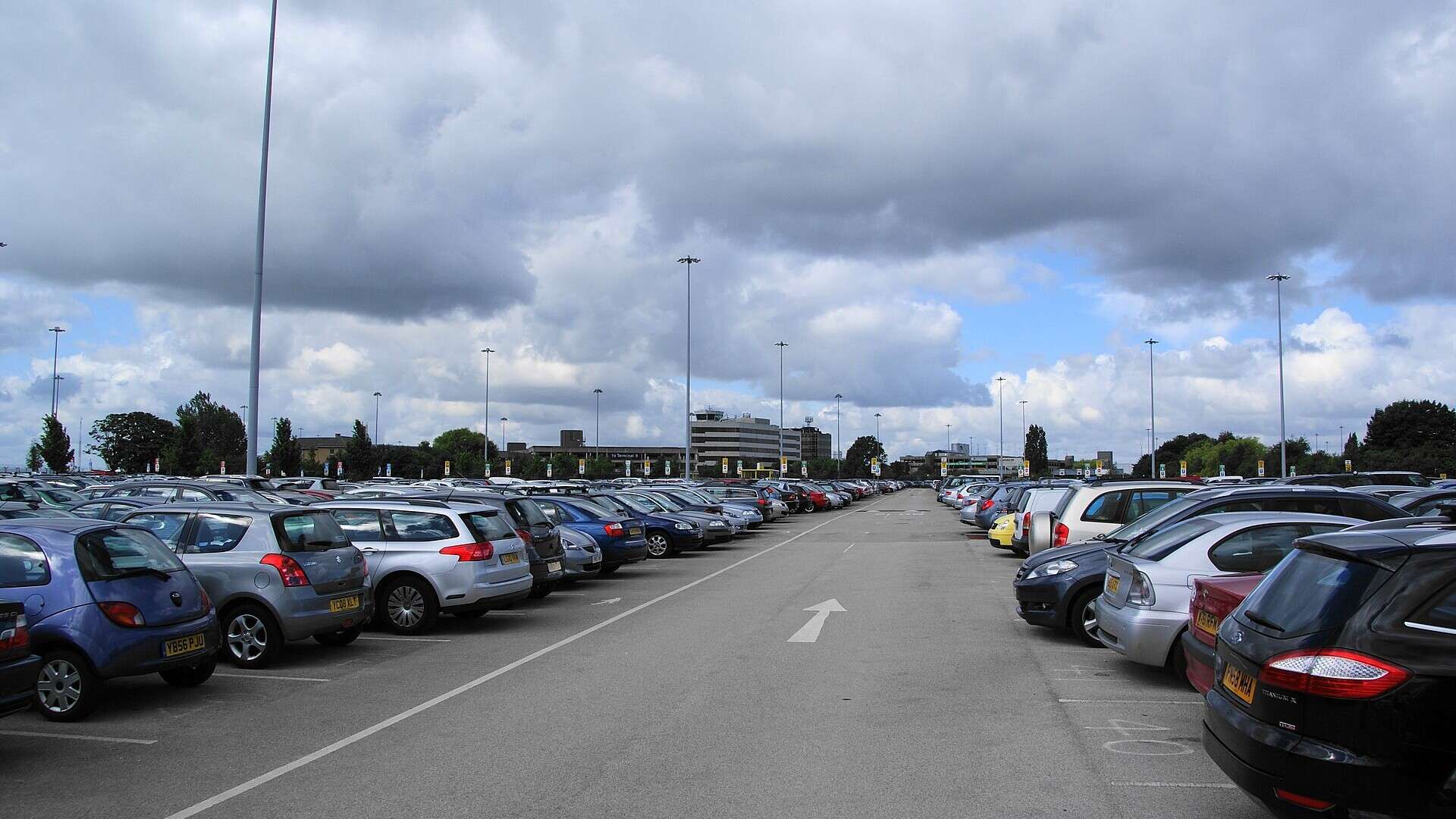
Sonny Kaushal’s Heathrow parking company advertised a roofed, fenced compound with CCTV, 24-hour patrols and room for 1,000 cars. According to the London Borough of Hillingdon, whose trading standards officers built the case, customers’ cars went to a field in Datchet, to roadsides around Hillingdon, to an industrial estate and into Heathrow’s own short-stay car park, even though the company had no authorized site at the airport. On Sept. 9, 2025, a judge at Isleworth Crown Court sentenced Kaushal, 37, to 32 months in prison.
Airtime Parking Ltd is a British case, but the trap it set works anywhere a traveler hands a key to a stranger at the curb. A “meet and greet” or off-airport valet booking is a week-long loan of your car, its key and everything the car stores about you, to a company you probably found through a search result. Once the fob leaves your hand, the only protections you have are the checks you made before booking and the evidence you collected at handover. The operators who run an airport parking scam count on customers skipping both.
What Hillingdon’s trading standards case found
The council says complaints first reached it in June 2022 through Citizens Advice. Kaushal, from Buckinghamshire, admitted one count of fraudulent trading and two counts of engaging in unfair commercial practices. The court put the value of what he gained at £1,357,171 and issued a confiscation order for £708,606, the assets currently available to him, with three months to pay or face five more years in prison. He was also disqualified from serving as a company director for 10 years.
The council’s account lists what customers got for their money: damaged cars, parking tickets issued while the cars sat on public streets, lost keys, surprise fees, missed shuttles and refunds that never came. The activity ran for more than six months, and the judge, HHJ Edmunds KC, said the victims must have numbered in the thousands. He also found that Kaushal had used a show of ignorance and incompetence to cover his dishonesty.
Parking customers’ cars in Heathrow’s own short-stay lot shows how little a rogue operator needs to look legitimate at drop-off: a space somewhere, a driver to meet the customer and a booking that has already been paid.
A customer’s car used for a run to the police station
Near Manchester Airport, Cheshire Constabulary reported a surge of complaints in August 2023 about an unofficial meet-and-greet site on Moss Lane in Styal, Wilmslow.co.uk reported at the time. Police listed damaged vehicles, lost keys, cars seized by creditors, and staff who were abusive and threatening toward customers. On Aug. 12, a customer said he had been threatened with a knife after challenging staff about the safety of a minibus used to carry people to the terminal, and two men were arrested on suspicion of affray.
The next day police arrested a 48-year-old man on suspicion of vehicle theft. According to the police statement, he had driven a customer’s car to the Middlewich Custody Unit to collect his two colleagues. All three were released on bail pending further enquiries, according to that report.
The key fob is the car’s entire security system
A modern car has no ignition lock to pick and no steering column to crack. The fob tells the immobilizer that the person holding it is allowed to drive, so the alarm, the immobilizer and the locks all work for whoever has it. Handing it over hands over the security system along with the car.
The car also knows a lot about you. Tesla’s Cybertruck owner’s manual lists what its Valet Mode restricts, and the list reads like an inventory of what a stranger could otherwise do. Speed is capped at 70 mph and acceleration is limited. The front trunk and glovebox lock. Home and Work locations disappear from the navigation system, driver profiles become inaccessible, Wi-Fi and Bluetooth are switched off, and the screen stops showing the list of keys that can access the truck.
Hiding the home address matters most at an airport. A car parked for a week, with your address in the navigation and a garage-door opener on board, tells its temporary driver where you live and that you are away. If your car has a valet mode or a valet key, the handover at an airport is the time to use it. If it has neither, a garage remote can go in your carry-on.
Possession of the claim ticket can matter as much as possession of the fob. In Savannah, Georgia, police reports described by WTOC say someone used a hotel guest’s text-message retrieval code at a Fairfield Inn shortly after midnight on Aug. 6, 2026, hours before the guest says they sent any request. A week later at the Hyatt Regency, a man presented a valet ticket for a gray 2026 BMW X5 valued at $90,000, and, according to hotel security, claimed he played professional basketball. The BMW was last tracked to Myrtle Beach, South Carolina. Savannah police asked the public for help identifying a suspect on Sept. 3, and no arrest had been announced in that report.
Tracking is where the connected car works for the owner. The same manufacturer app that collects more data than many drivers would like, a problem The Auto Wire covered in what owners can switch off in their car apps, is also the owner’s own record of where the car went and how far it was driven while the owner was away. Drivers who switch off location sharing for privacy may want to switch it back on for the week of a trip. The trade-off between privacy and an audit trail is one connected-car privacy rules have not settled.
What Heathrow, Gatwick and Manchester’s approval schemes promise
Britain’s biggest airports now steer customers toward approved operators. Heathrow’s parking booking guidance says the airport does not license or endorse any third-party operator. It lists complaints about cars returned damaged or late, cars not returned at all, cars left in unsecured places and cars used in criminal activity. Its own meet-and-greet and valet products belong to the British Parking Association’s Approved Meet and Greet Operator Scheme, known as AM-GO.
The BPA’s description of AM-GO includes one promise that works as a contract term: under the scheme, “cars won’t be driven any further than stated on the booking confirmation.” The association also says staff, including drivers, will be fully insured, cars will be kept in a Park Mark-accredited facility, and every storage site will be assessed in person by BPA-qualified auditors.
Gatwick names five approved operators: Maple Parking, Sure Parking, Tudor Rose, APH and I Love Meet & Greet. Its list of common complaints includes excess mileage, lost keys, theft from vehicles and cars parked in places the customer never agreed to. Manchester Airport and Manchester City Council started an accredited list under the government-backed Buy With Confidence program in December 2019, with six firms at launch.
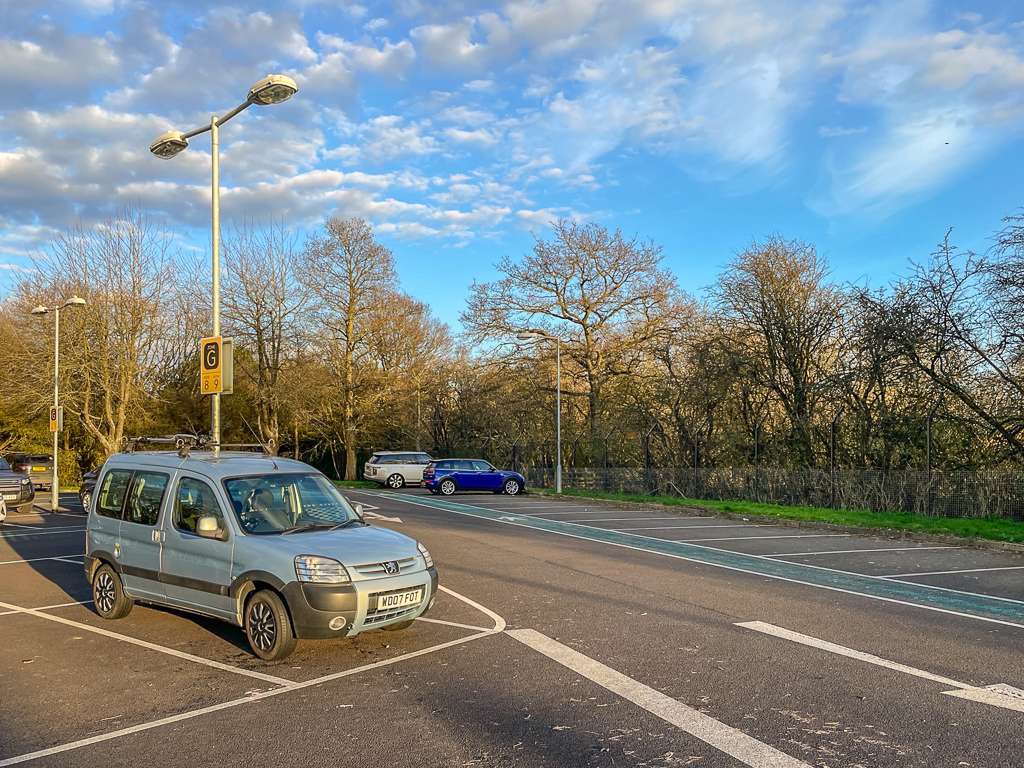

A mileage clause only helps a customer who can prove the mileage. Gatwick’s advice to photograph the car and record the odometer reading before handing it over is the piece that turns a promise into evidence. A dated photo of the odometer, the fuel gauge or state of charge, and all four sides of the car takes about a minute. It is also what an insurer, a trading standards officer or a small-claims judge will ask for first.
The FTC’s question about platforms that sell ads to impersonators
American travelers face the same booking problem through a different door. On Sept. 24, 2026, the Federal Trade Commission voted 2-0 to issue an advance notice of proposed rulemaking asking whether its rule against impersonating businesses and government agencies should reach the platforms whose ad tools promote impersonators. The agency said it received more than 1 million imposter-scam reports in 2025, with consumers reporting nearly $3.5 billion in losses. Christopher Mufarrige, director of the FTC’s Bureau of Consumer Protection, said consumers increasingly rely on a few dominant platforms for everything from shopping and banking to travel bookings, and that fraudsters look for victims on those same platforms while the platforms profit from the scam ads.
The notice does not single out parking. A look-alike airport parking site that buys its way to the top of a search page is the kind of ad it describes, though, and the FTC has been warning drivers about the parking version for weeks. Its Sept. 3 consumer alert describes scammers pasting their own QR codes over the real ones on parking meters to send people to fake payment sites.
An advance notice is the earliest stage of FTC rulemaking. It asks questions and proposes no rule text, so any requirement that platforms vet advertisers is at least one more formal round away. The comment period runs 60 days from publication in the Federal Register.
Checks to make before handing over the fob
- Book through the airport’s own website, or with an operator the airport names as approved. In Britain, that means checking for AM-GO, Park Mark or the airport’s own list.
- Find the address where the car will be stored and the operator’s registered company details. A booking page with only a mobile number and a meeting point is a warning.
- At the curb, photograph the odometer, the fuel or charge level, all four sides of the car and the driver’s ID card.
- Turn on valet mode if the car has it, hand over a valet key if it has one, and take the garage remote with you.
- Leave location tracking on in the manufacturer’s app for the trip. If the car moves when it should be parked, you will have a timestamped record to give the police.
The fee is the easiest part of the decision to compare. Heathrow’s own guidance warns that a price that looks too good to be true probably comes with matching service. The next thing to watch is whether the FTC’s comment period produces a proposal that makes ad platforms check who is buying “airport parking” keywords before the ads run.
Would you hand your keys to an off-airport valet to save money on a long trip, or does your car only go to the airport’s own lot?