
The first ticket didn’t take.
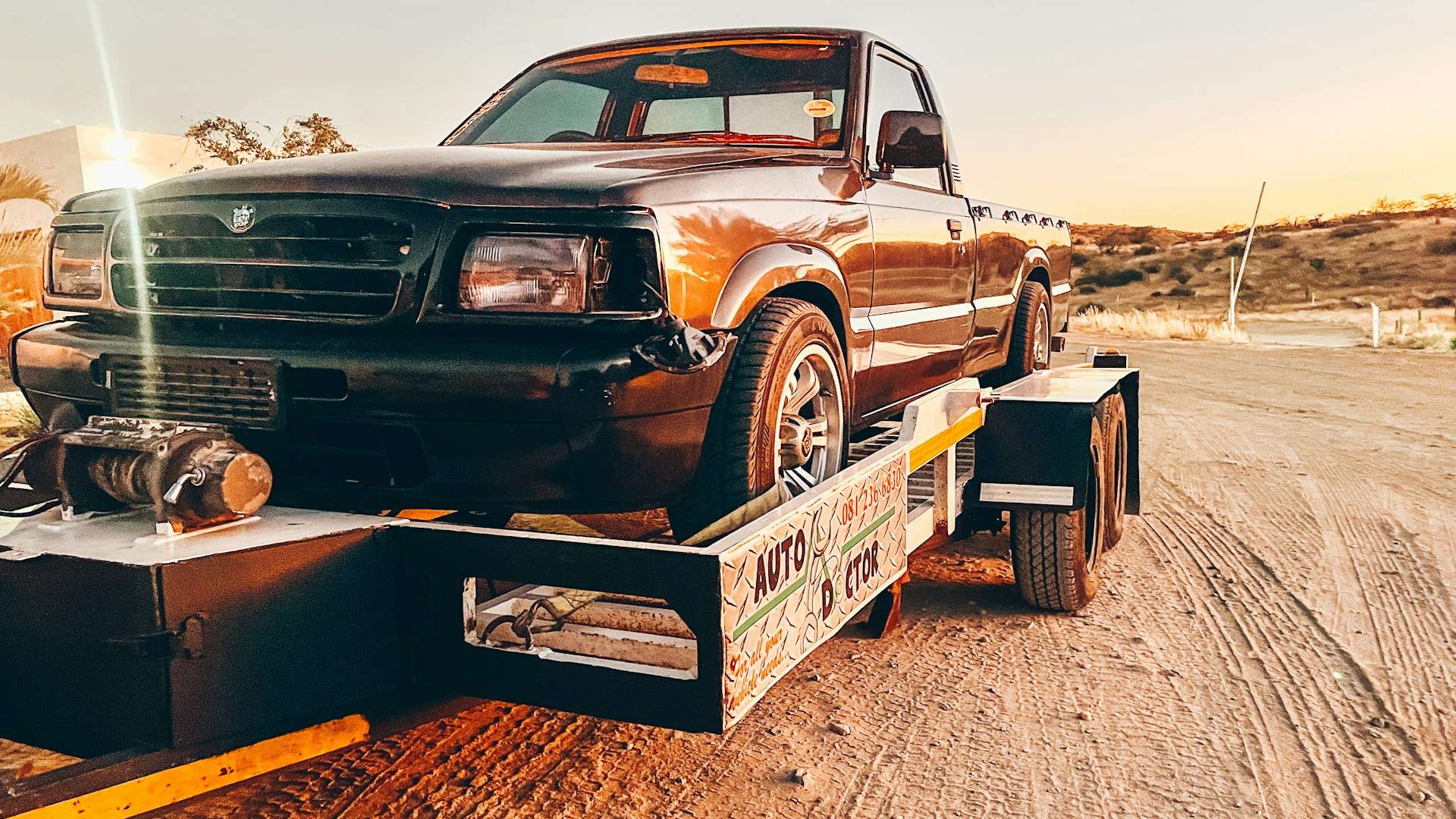
On the night of Sept. 22, a Central Police Department officer stopped a squatted truck inside the city limits of Central, Louisiana, wrote the driver a ticket and had the truck loaded onto a wrecker, according to the department. The department says the same driver had been ticketed by the sheriff’s office for the same thing three days earlier.
Police also posted the tape-measure numbers. Front fender: 56 inches off the ground. Rear fender: 43 inches.
That is a 13-inch difference. Louisiana’s legal limit is less than six.
“There’s no way he can see the roadway,” the department wrote. “He’s looking at the sky.”
What Louisiana’s squatted-truck law says
The rule is Louisiana Revised Statute 32:381.1, created by Senate Bill 497 in the 2022 session and signed into law as Act 773. It bars anyone from driving on a highway if changes to the suspension, frame or chassis leave the front fender six or more inches higher than the rear fender.
The statute is specific about how to measure. Each fender height is taken straight up from the ground, through the centerline of the wheel, to the bottom of the fender. It also applies only to a vehicle carrying no payload and towing no trailer, which keeps a work truck that is nose-up because it is hauling something from getting caught in the same net.
That leaves very little room to argue about a 13-inch gap. The truck Central police towed was more than double Louisiana’s threshold. In North Carolina, the state that gave the style its “Carolina Squat” nickname, the limit is even tighter: G.S. 20-135.4 draws the line at four inches, so this truck would have been more than three times over there.
Police warned drivers in May
The Sept. 22 tow was not a surprise ambush. The department’s post points back to a May 11 warning that anyone driving a squatted vehicle in Central would “not only be ticketed,” but would also have the vehicle towed. That May post called the modification a danger to the driver and everyone around them.
Four months later, the department made good on the second half of that sentence and said it would keep doing so for repeat drivers. Central sits in East Baton Rouge Parish, so a driver there can run into both city police and sheriff’s deputies, which, according to the department, is exactly what happened to this one inside of a week.

The workaround: a camera pointed at the road
The most telling part of the department’s post isn’t the tow. It’s the workaround.
The post’s author wrote of talking to several young adults who said their friends had mounted cameras on the front of their trucks, wired to a monitor in the cab, so they could see what was directly in front of the vehicle. In other words, some owners have answered the problem of a hood that blocks the road by installing a screen that shows them the road.
The department’s reply was short: cameras have a delay.
Its concern isn’t subtle, either. The post lists the scenarios it worries about: a child running into the street, a car several lengths ahead braking hard, a motorcycle stopping just ahead of a truck whose driver never sees it. Forward sightlines are a problem even on stock vehicles, and the Insurance Institute for Highway Safety has raised concerns about forward blind spots in modern vehicles. Tilting the entire front end skyward does not help.
What we don’t know yet
The department did not name the driver or list the specific charge or fine. The earlier sheriff’s office citation is described only in the Central Police Department’s post, and a ticket is an accusation, not a conviction. The Auto Wire has not seen court records for either citation, and the driver is entitled to contest both.
Next to Louisiana’s crackdown on left-lane campers, the squat law leaves little to argue about. It comes down to two numbers and a tape measure.
The department did leave the door open. Its post told drivers to park the trucks in a lot, show off the work at the weekend car shows around Central, and promised that the post’s author would come see them in person.
So the truck is welcome in Central. It just has to be parked when it gets there.
Should squatted trucks be towed on a first offense, or is a ticket enough? And is a front-mounted camera a fair fix, or just a screen between the driver and the road?