
Nobody from the RCMP clocked this Corvette. The speed came from its own dashboard: a phone aimed at the gauge cluster, a glowing 301, and someone who decided the internet needed to see it.
What police still don’t have is the one thing the video leaves out: who was driving.
What the RCMP says happened
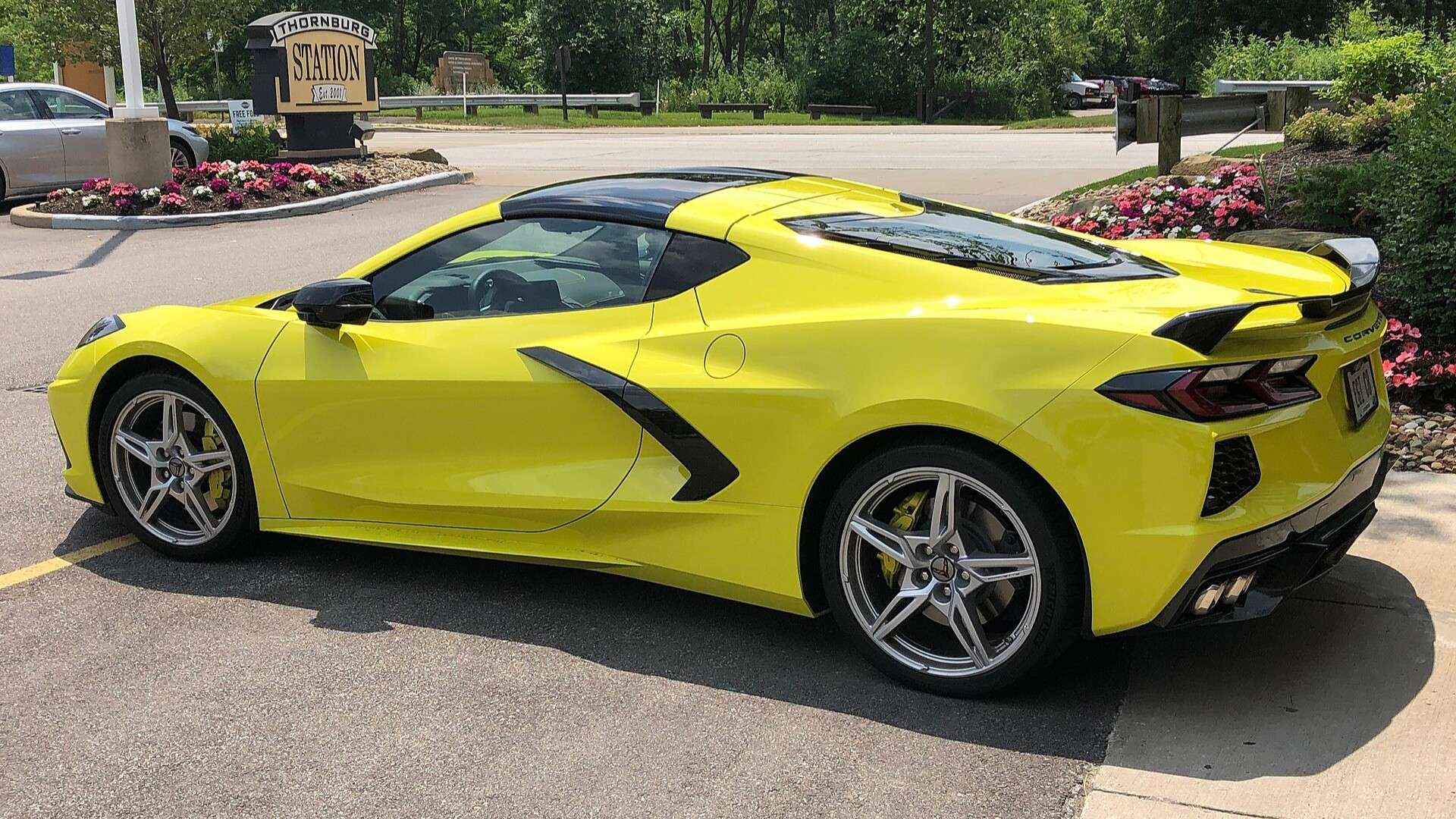
According to the Nova Scotia RCMP, officers became aware of a video and the comments attached to it after the clip was posted online on Sept. 12. Police say the video shows a vehicle travelling more than 300 km/h on a provincial roadway in the Antigonish area, and that the footage and comments together indicate the car is a C8-generation Chevrolet Corvette.
The still image the RCMP released is not subtle. It is almost entirely black, the kind of darkness you get on a rural road at night, except for a slice of dashboard and a large digital number: 301.
That works out to about 187 mph. Nova Scotia’s highest posted speed limit is 110 km/h, so the number on that dash is roughly 191 km/h over the fastest legal speed anywhere in the province, on any road.
Police are treating it as a dangerous driving investigation. They also said the same vehicle may be connected to other driving complaints in the area.
“Driving at these speeds is not a thrill, it’s a serious danger,” Sgt. James Jessome said in the RCMP’s statement.
The comment section did the vehicle ID
Investigators said it was the video and the comments that pointed to a C8 Corvette. That suggests the online audience worked out the model before investigators had a licence plate, a registered owner or a driver.
That puts police in an odd spot. They have what amounts to a confession from the car’s gauge cluster, a make and generation crowdsourced from strangers online, and a general location. What they’re asking the public for is the part a speedometer can’t show: a name.
The original upload may not be much help either. When The Auto Wire checked on Sept. 29, the TikTok account named in Canadian news coverage as the source of the clip returned a “Couldn’t find this account” page. Why it’s gone isn’t clear. The RCMP had already pulled images from the footage well before that.

What 301 km/h looks like on a dark two-lane
The RCMP did the first bit of math itself: at 300 km/h, a car covers more than 83 metres every second. That’s about 273 feet, or most of a football field, in the time it takes to say “three hundred and one.”
Here’s the rest of it, worked out by The Auto Wire using standard stopping-distance formulas:
- Reaction time: A typical 1.5-second delay before the driver’s foot reaches the brake means about 125 metres (410 feet) covered before the car even starts to slow.
- Braking: Even assuming a very strong 1 g stop on dry pavement, a generous figure at night on a rural road, the car needs roughly another 354 metres (about 1,160 feet).
- Total: Close to half a kilometre, or about 0.3 miles, to stop for a deer, a stalled pickup or a sharp curve.
There’s also a tire problem. The “Y” speed rating found on many high-performance tires tops out at 300 km/h (186 mph). If the dash was accurate, the number in the video sits one kilometre per hour beyond that. We looked at what happens when federal tire testing stops far short of the speeds drivers actually reach, and 301 is well past that line.
One caveat that matters: a speedometer is not a radar gun. The RCMP is relying on a dashboard display captured on a phone, not an independent speed measurement, which is why the case, for now, rests on what the video appears to show.
Not the first Corvette in a police file
In British Columbia, a C5 Corvette doing 106 mph over a bridge got an automatic seven-day impound. That driver lost the car for a week. This one, so far, has produced a video and a tip line.
Chevrolet has thought about how fast people drive its cars. As we reported earlier this month, the Corvette already has built-in tools that can cap speed for certain drivers. Those only work if somebody switches them on.
Where the case stands
As of Sept. 29, the RCMP had not publicly announced that it had identified the driver or laid charges. No one has been accused of anything in connection with the video.
If police do identify a driver, the possibilities range from provincial Motor Vehicle Act offences to dangerous operation of a conveyance under section 320.13 of the Criminal Code. When prosecuted by indictment, that carries a maximum of 10 years in prison, even when nobody is hurt.
Anyone who recognizes the driver or the car can call Antigonish County District RCMP at 902-863-6500, or leave an anonymous tip with Nova Scotia Crime Stoppers at 1-800-222-TIPS (8477).
The phone caught everything except the driver.
Should a posted speedometer video be enough to charge a driver, or does a phone shot of a dashboard prove too little?
Top photo: File photo. Photo: Ghostofakina / Wikimedia Commons (CC BY-SA 4.0).