
General Motors countersued the parents of a teenager who ended up pinned under a GMC Canyon. Then it dropped the countersuit.
The case comes out of Troy, Michigan, GM’s own backyard. In summer 2025, then-14-year-old Johnathan Do was riding an electric bike on the sidewalk along John R Road and crossing Square Lake Road when a white GMC Canyon hit him and pinned him underneath, according to dash cam footage recorded by an off-duty Troy firefighter. His injuries included six broken ribs, a partially collapsed lung, and a bruised liver.
The pickup wasn’t just any Canyon. The family’s attorney, Lawrence Kajy, says GM owned the truck and had handed it to an employee as a perk. The family sued both the driver and the automaker earlier this year. This month, GM filed a countersuit against the boy’s parents, then withdrew it on October 20. The driver was cited for careless driving; Do was not cited.
Why GM is in this at all
Michigan is one of the few states where simply owning the car can put you on the hook. Under the state’s owner’s liability statute, a vehicle’s owner is liable for injuries caused by its negligent operation when it’s being driven with the owner’s express or implied consent. An employee driving a company-issued truck is about as implied as consent gets.
Related Articles
- Turo Got Its Car Back but Never Cleared the Stolen Report, a Minnesota Mom Says. Then New Jersey Police Detained Her
- Used-Car Lots Are Fuller Than Last Year. Good Luck Finding Anything Under $15,000
The statute does carve out a softer landing for one group. Businesses that lease vehicles get their liability capped at $20,000 per person and $40,000 per accident, unless the lessor itself was negligent. Whether an employee-perk program looks more like ownership or a lease is the sort of question that keeps defense lawyers billing. My read: a company that keeps title and simply lends a truck to a staffer is going to have a hard time squeezing into a cap written for rental and leasing businesses.
Kajy is also pursuing negligent entrustment, the theory that an owner shouldn’t hand keys to someone it should’ve known was a risk. That claim lives or dies on what GM knew about the driver, and nothing public answers that yet.
The e-bike vs. e-moto argument
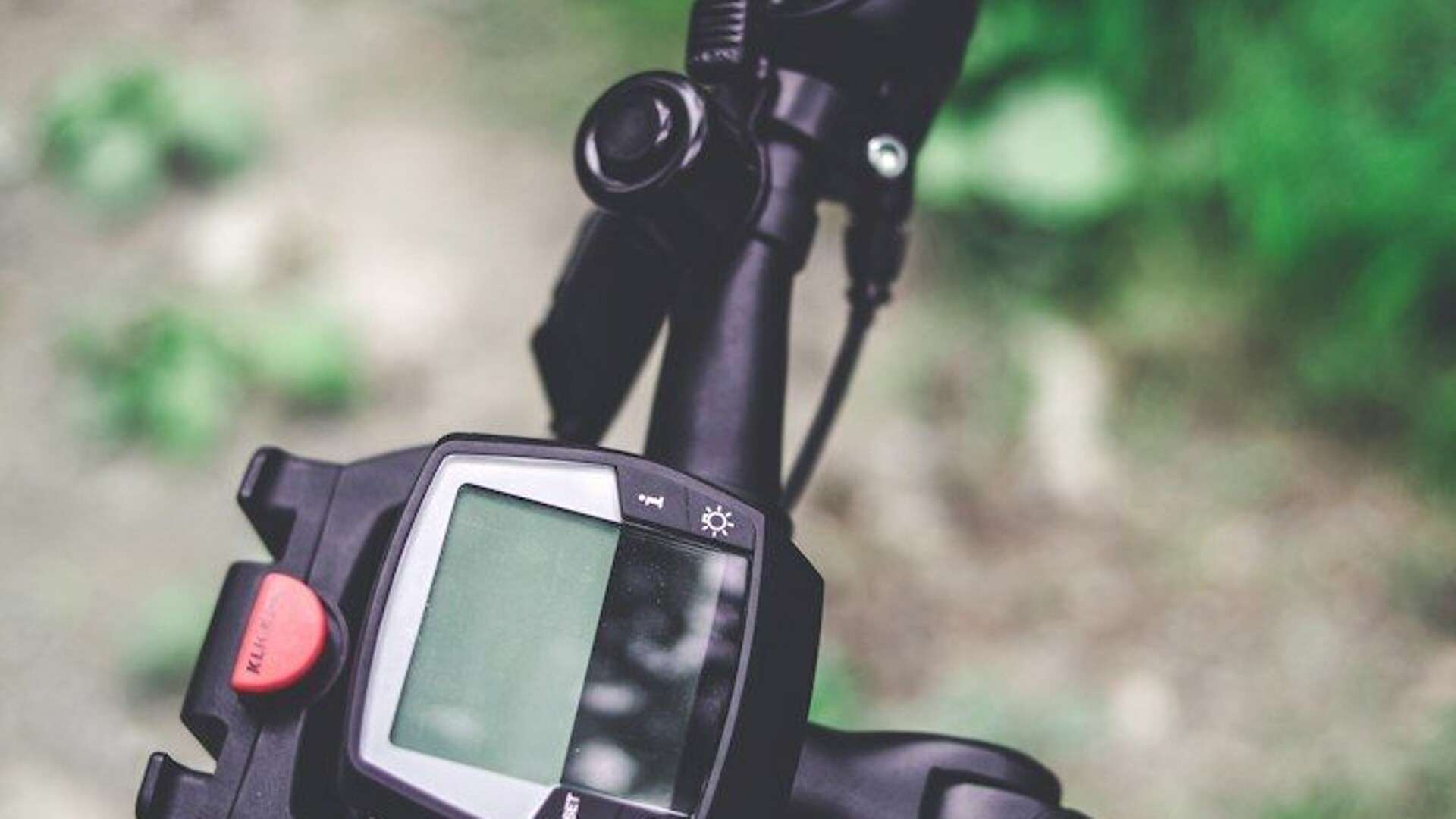
GM’s earlier defense was more interesting than the countersuit. The company argued Do wasn’t on an e-bike at all but an e-moto, something GM contends needs registration and licensing and can’t legally be operated by anyone under 18. Kajy counters that it was a Class 3 e-bike under 750 watts.
This isn’t hair-splitting. Michigan’s e-bike definition requires a seat, fully operable pedals, and a motor no greater than 750 watts. A Class 3 machine must provide assistance only while the rider pedals and cut out at 28 mph. Under Michigan law, a Class 3 bike can’t have a throttle. If the bike in question had a twist grip that moved it without pedaling, the Class 3 label falls apart regardless of what the box said.
That matters because the e-bike aisle has gotten murky. Plenty of products marketed as e-bikes are really small electric motorcycles with vestigial pedals. Michigan anticipated this, barring anyone from modifying an e-bike in a way that changes its powered speed or motor engagement without updating its classification label.
It also matters for insurance. When lawmakers created the e-bike classes, a companion bill excluded e-bikes from the Insurance Code’s definition of motor vehicle. Being classified as a bicycle rather than an unregistered motor vehicle can shape how no-fault benefits and fault arguments shake out.
The helmet problem
Here’s where the family’s case has a soft spot. State law says no one under 14 may operate a Class 3 e-bike, and anyone under 18 operating one must wear a properly fitted federal-standard helmet. Do had just cleared the age floor, but he wasn’t wearing a helmet. Expect that to surface in any comparative-fault discussion, even though his documented injuries were to his torso, not his head.
GM’s public line
GM’s statement struck a softer tone than its court filings: “We are grateful that everyone involved is safe and send our well wishes to the entire family. We believe it is important to continue conversations about how children and teens can stay safe when riding e-bikes and similar motorized vehicles, and will respect the legal process as this matter proceeds through the court.”
Related Articles
- He Had Both Escalade Keys at Home When It Vanished. Deputies Say Thieves Used a Computer to Make a Third
- Penske and Mitsui Are Taking PAG Private for $16.3 Billion, With Help From Toyota’s and Mercedes’ Lenders
Suing a hurt kid’s parents in your hometown and then wishing the family well is a tough tonal needle to thread. Dropping the countersuit was probably the most persuasive thing GM’s legal team did all month.
What owners and parents should take from this
- Read the spec sheet, not the marketing. In Michigan, a throttle disqualifies a bike from Class 3, and motors over 750 watts disqualify it from e-bike status entirely.
- Check the label. Michigan requires e-bikes to carry a classification label; a missing or mismatched one invites exactly the fight GM started.
- Helmets are mandatory for minors on Class 3. Skipping one may not get a ticket, but it can surface in court.
- Company cars carry real exposure. If your employer hands you keys, your driving can make your employer a defendant.
Have you checked whether your kid’s “e-bike” has a throttle? In Michigan, that one feature decides whether it’s a Class 3 bike at all.