
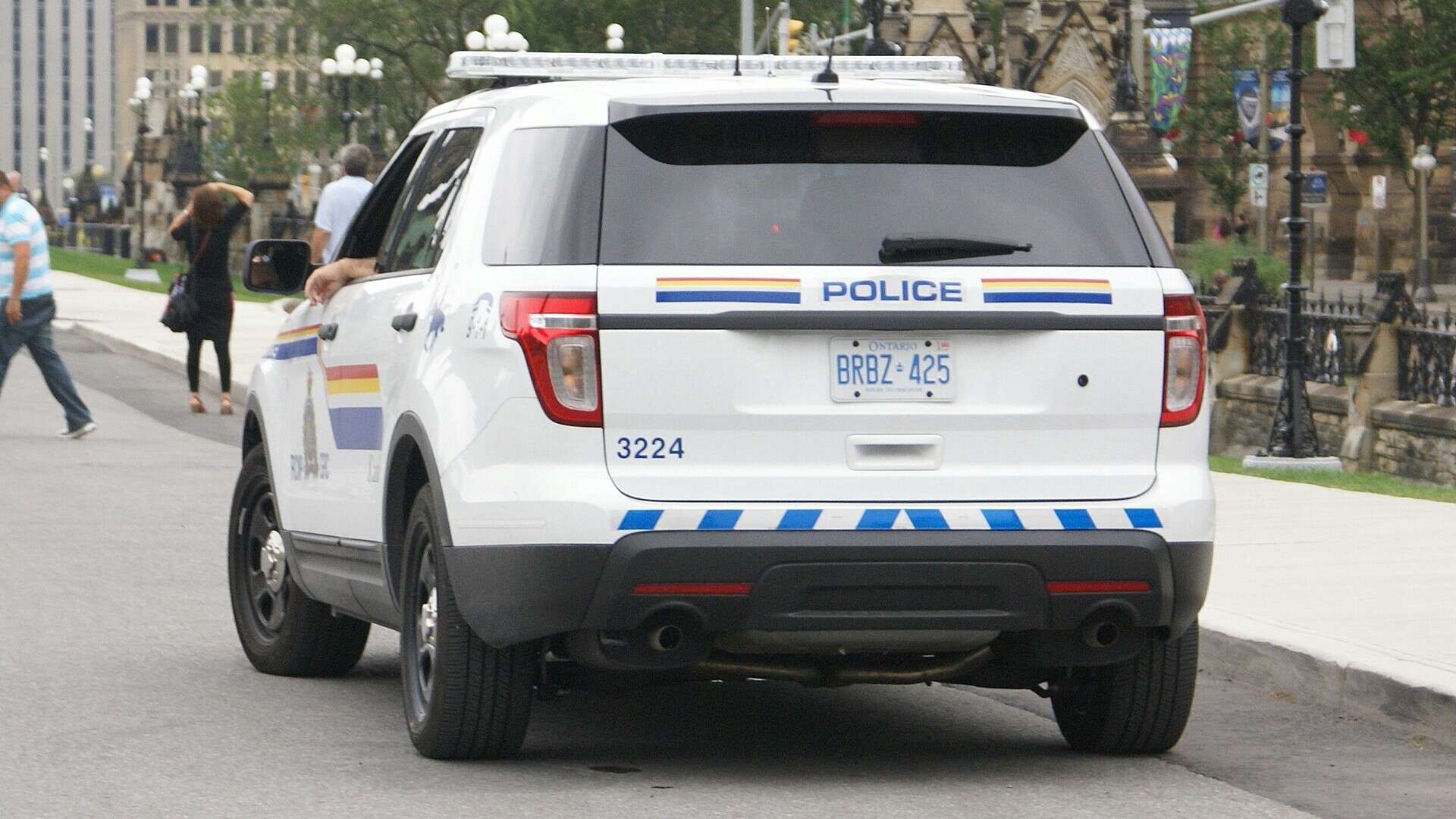
A federal contract to destroy 950 decommissioned RCMP vehicles ended, according to Alberta RCMP, with a recycler’s employee falsifying records so that cars still intact would look crushed. Police say at least some of those vehicles were resold in Canada or shipped abroad, and that the employee was tied to the same group running a vehicle-theft and re-VINing operation. The charges are allegations and have not been tested in court. The RCMP’s own release was not available to The Auto Wire at publication, so the details below are as reported by Global News and CTV News Edmonton, and attributed to police.
What Alberta RCMP say happened
The Alberta RCMP Auto Theft Unit said the investigation began in June 2024 with a person police believed was driving auto theft in the province. Starting in spring 2025, the federal GC Surplus program contracted Penny Metal Recycling in northwest Edmonton to dispose of 950 decommissioned RCMP vehicles. Police said nothing indicated, when the contracts were awarded, that the vehicles would be handled contrary to their terms.
In November 2025, investigators found that the group had potentially received hundreds of government vehicles that were supposed to be salvaged. Police said an employee of Penny Metal committed fraud to make it appear the vehicles had been destroyed. Police did not say, in the coverage of the announcement, how many of the 950 were diverted.
Five men are charged. Mohamed Mark Hajar, 41, of Edmonton, faces 11 counts of trafficking in property obtained by crime and eight counts of smuggling under the Customs Act. Peter Huy Nguyen, 41, of Edmonton, is charged with possession of stolen property over $5,000. Both are due in court Nov. 16. Jamal Andy Ghnaim, 34, of St. Albert, faces counts including theft over $5,000, fraud over $5,000 and obtaining property under a false pretence. Ghassan Fayad, 47, and Hamzee Fayad, 41, both of Edmonton, are charged with possession of unstamped tobacco.
A destruction certificate is only as good as the person who signs it
Ottawa has been wary of these vehicles for years. In January 2021, then Public Safety Minister Bill Blair suspended the sale of decommissioned RCMP vehicles while the government and the RCMP reviewed how to keep them from being improperly outfitted or misused. I could not find the current disposal policy in the federal documents I checked, but the 950-vehicle contract was for disposal, not resale.
That arrangement puts the whole control in one place: the record that a car was destroyed. The government hands over vehicles, a contractor reports them crushed, and the file closes. If the person writing the report is working for the other side, the record says “crushed” while the car sits in a yard. My view is that a crusher contract should require someone other than the contractor to witness it, or at minimum a photograph of each VIN before the car goes in. Either would cost little next to the vehicles at stake.
What a new VIN does to a car’s history
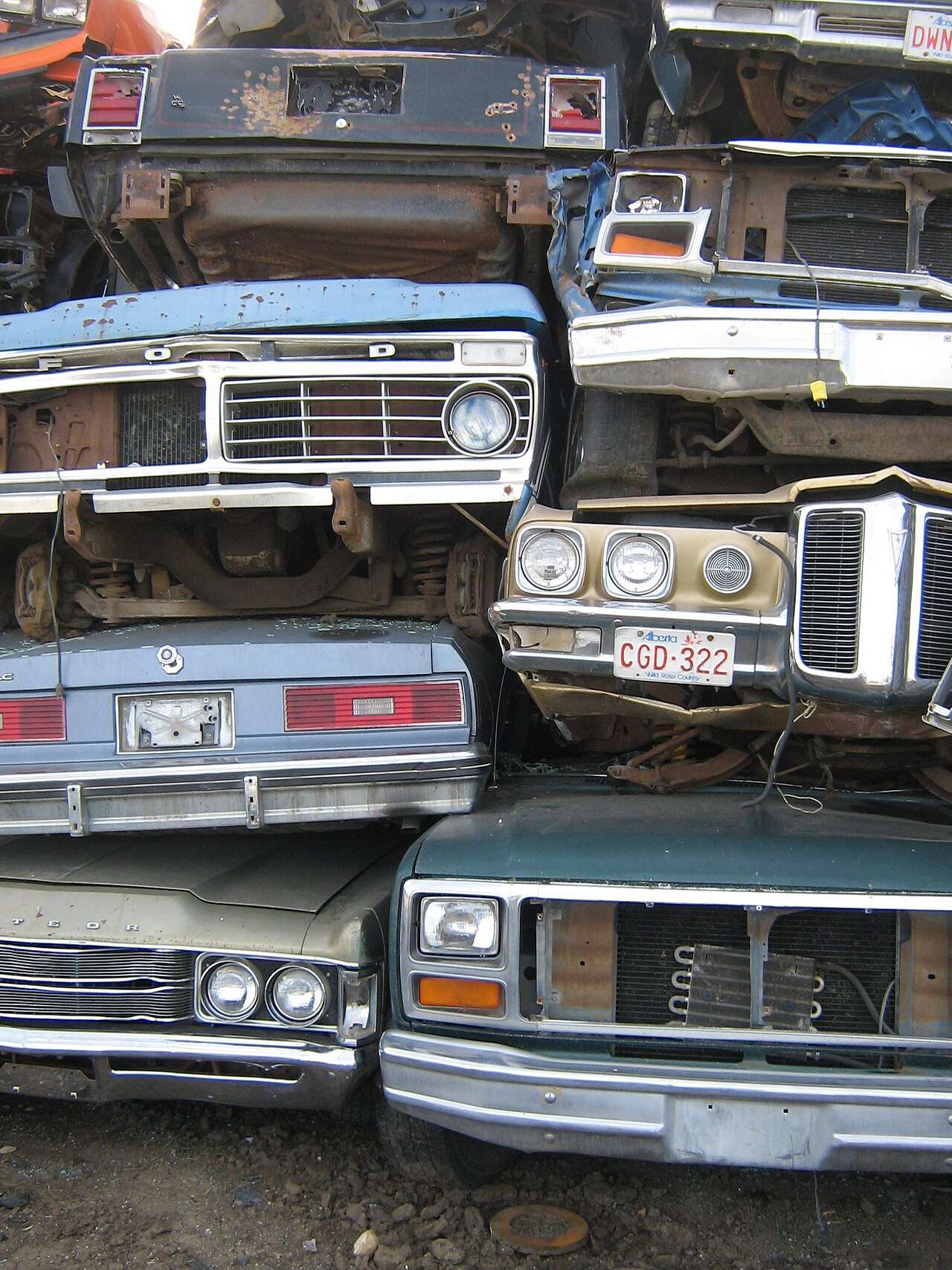
Police also describe a re-VINing operation. A vehicle identification number is the key that registries, insurers, lenders and history-report services use to find a car’s record. Swap the number and the car acquires a different record, which is why a clean history report cannot, by itself, clear a vehicle. Police linked more than 80 stolen, fraudulently obtained or illegally exported vehicles to the group, worth about $6 million by RCMP estimate, not counting the government vehicles. That works out to roughly $75,000 per vehicle at most, a figure that points toward trucks and SUVs rather than commuter cars. That is The Auto Wire’s arithmetic, not the RCMP’s.
Exports and a market in stolen vehicles
Smuggling counts against Hajar sit alongside the export allegations. In August, the Canada Border Services Agency reported that Project NoCargo, an RCMP-led effort launched in June 2025, had intercepted 392 vehicles worth an estimated $28 million at Halifax, Montreal, Toronto and Vancouver. The agency said INTERPOL Ottawa had identified criminal networks exporting fraudulently obtained vehicles overseas, and that it intercepted 1,590 stolen vehicles at railyards and ports in 2025.
Staff Sgt. Luke Halvorson of the Alberta RCMP said, “More and more, we’re seeing auto theft being used as a commodity.” Warrants executed between December 2025 and March 2026 also turned up more than 4 million illegal cigarettes, which police valued at over $1 million on the illicit market. Their legitimate value was $3.7 million, with about $400,000 in deferred taxes.
What used-car shoppers can check
Police have not said which buyers ended up with the diverted vehicles. The practical check is the same one that applies to any used truck or SUV: confirm that the VIN on the dash plate, the door-jamb label and the registration all match, and read the history report against what you see. A former police vehicle often shows its past in drilled holes in the roof or A-pillar and unused wiring under the dash. Ottawa suspended sales of decommissioned RCMP vehicles in 2021, so a seller claiming a former RCMP vehicle came through an official sale should be asked for the paperwork. Elsewhere, a Pennsylvania case involving washed titles shows the same problem at a smaller scale, even as U.S. car-theft counts fall in all 50 states.
Next to watch are the Nov. 16 appearances and whether GC Surplus changes how it verifies destruction. If a government pays a contractor to crush 950 vehicles, should it insist on watching every one go into the crusher, or is a signed certificate good enough?