
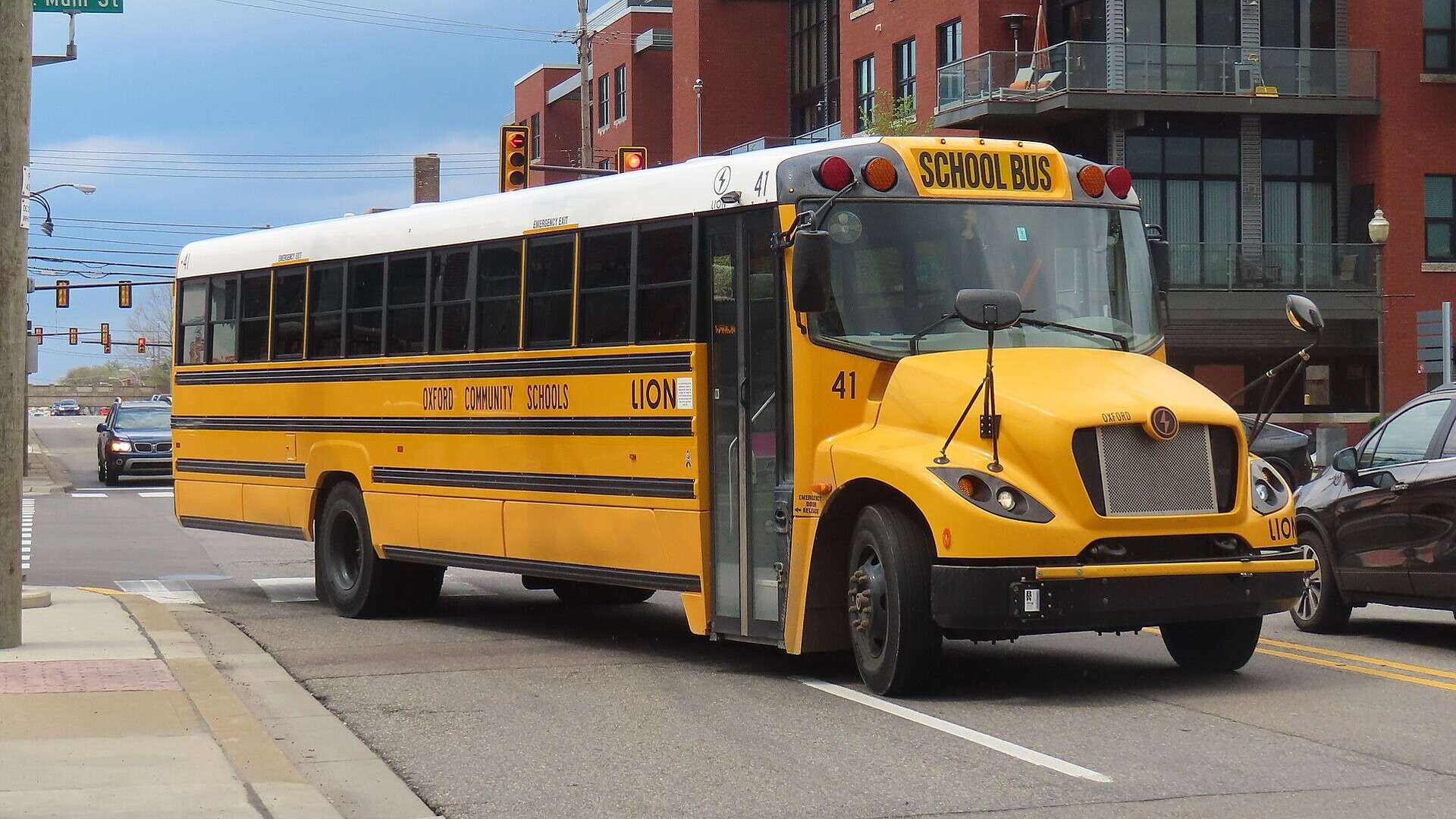
The RCMP searched a Lion Electric facility in Saint-Jérôme, Quebec, on October 21, 2026, “as part of an investment fraud investigation,” according to CTV News Montreal. No suspects or charges have been named. The company builds the LionC electric school bus and urban trucks, and it came out of creditor protection with a new owner and wiped-out shareholders less than a year and a half before the search.
The investigation points at conduct involving investors, and a school district or fleet manager with Lion vehicles in the lot has a narrower question: which legal entity stands behind the warranty and the parts counter.
What is known about the search
CTV’s October 21 report carries the RCMP’s description of the investigation and little else. I could not find an RCMP news release on the search, and Lion Electric’s response was not available from a source The Auto Wire could verify. Who is under investigation, which transactions are at issue and what period they cover have not been made public.
A search is not a charge. Under the Criminal Code, police need a search warrant from a justice who is satisfied, by information on oath, that there are reasonable grounds to believe evidence is at the place to be searched. That is a lower bar than proof of an offence, and it says nothing about who, if anyone, committed one.
How the 2025 reorganization changed the company
Lion’s own release dated May 23, 2025, says it completed transactions under a definitive agreement dated May 15, 2025, with a newly incorporated purchaser formed for a consortium of Quebec-based investors. The Superior Court of Quebec approved the deal on May 22 as part of Lion’s proceedings under the Companies’ Creditors Arrangement Act. Common shares were cancelled for no consideration, along with options and warrants, and the company said equity holders received no recovery. Excluded assets and liabilities moved into newly incorporated ResidualCos, which Lion said it expected to liquidate and eventually wind up through bankruptcy.
That structure matters here. A reorganization of this kind can leave the business that builds and services buses in a different legal shell from the one that raised money and carried the old obligations. A criminal investigation follows the conduct and the people behind it, not the badge on the grille. The RCMP has not said whether the inquiry concerns the period before the sale, and neither the CTV report nor Lion’s release says.
What fleet owners and buyers can do now
For an operator, the exposure is operational. Lion’s website lists after-sales service and parts among its offerings, but I found nothing in primary sources on how the search affects production, warranty claims or battery repairs. Buyers can ask in writing which legal entity holds their warranty obligations, and keep the purchase contract and any grant paperwork where they can find it.
Public money is often attached to these purchases, and it can outlast the seller. The Auto Wire has covered what happened to California truck voucher money when Nikola went bankrupt, and our guide to where EV credits are written and who can change them shows how much of that support sits with legislators and agencies, not with the manufacturer.
What to watch next
Three public events would settle most of the open questions: an RCMP news release naming the investigating unit, a statement from Lion Electric on the record, and any charges, which would be laid in court and become public there. Until one of them arrives, the facts are a search, a stated investigation and a company with a restructured past.
If your local school board bought electric buses from a maker that went through creditor protection and then a police search, should it keep buying from that maker while the investigation runs, or pause until the courts have spoken?