
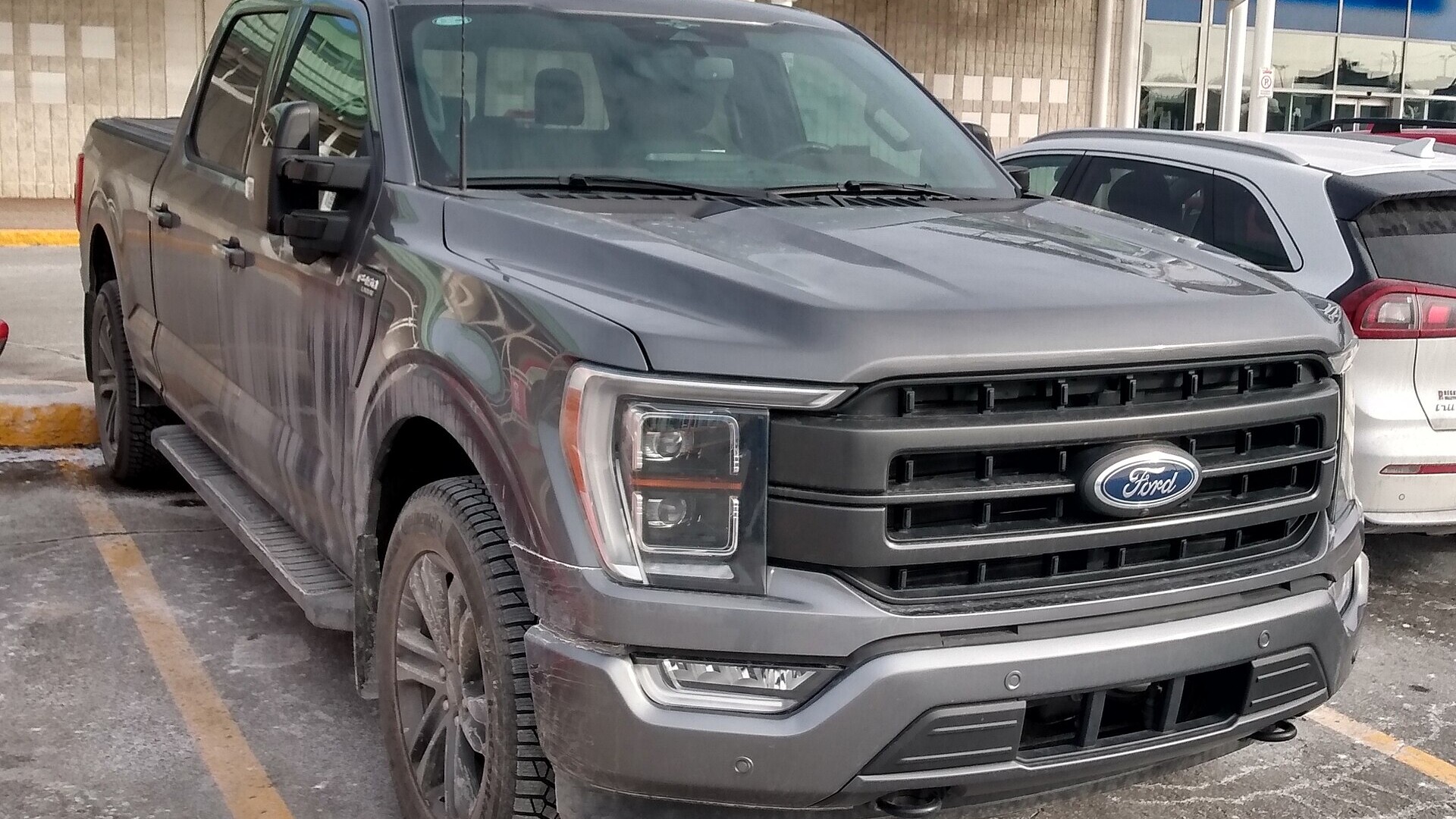
Ford’s design patent lawsuit against Empire Auto Parts, LLC, filed Oct. 26 in the Northern District of Texas, accuses the New Jersey collision-parts distributor of selling copies of F-150 and Bronco Sport body parts covered by five Ford design patents. The case is No. 3:26-cv-03754, it is assigned to Judge Kasdin M. Mitchell, and Ford has demanded a jury. These are allegations. Nothing has been decided.
As summarized to The Auto Wire, the complaint names a grille, a headlamp assembly, a tail lamp assembly, two fenders and a hood that Ford says Empire sold in 2025 and 2026. The patents are described as covering 2015–17 F-150 grilles, 2015–20 F-150 fenders and hoods, and 2021–24 Bronco Sport headlamps and tail lamps. Ford wants an injunction, damages and a trial, and says it may add patents and products. The 2015–17 F-150s are also the trucks in a separate Ford downshift recall we have covered. The complaint was filed with twelve exhibits that sit behind the federal courts’ paid records system. The Auto Wire has not read them, so the patent numbers and the part-by-part matches are unconfirmed here.
A 2019 ruling already rejected the matching-look defense
This is not Ford’s first F-150 parts fight. In 2015 the Automotive Body Parts Association challenged two Ford design patents, D489,299 on a hood and D501,685 on a headlamp, both used on F-150 trucks. Ford won summary judgment, and in July 2019 the Federal Circuit affirmed, with Judge Stoll writing for a panel that included Judges Hughes and Schall.
The association’s main argument was that a body-shop customer wants a replacement that matches the truck, so the matching look is a function, and a functional design can’t be patented. The court held that a design’s aesthetic appeal to consumers does not make it functional, and it declined to import the “aesthetic functionality” idea from trademark law. It also rejected the argument that selling an F-150 uses up Ford’s rights in the designs. Those rights are exhausted for the parts Ford sold with the truck, the court said, and repairing a truck does not license anyone to make new hoods and headlamps in Ford’s patented shapes.
That cuts against the most natural defense in a case like Empire’s. The demand for an exact match is the reason anyone buys the copy, and the Federal Circuit has said that demand does not make Ford’s design free to use.
Design patents last 14 or 15 years, and Congress has been asked to cut that
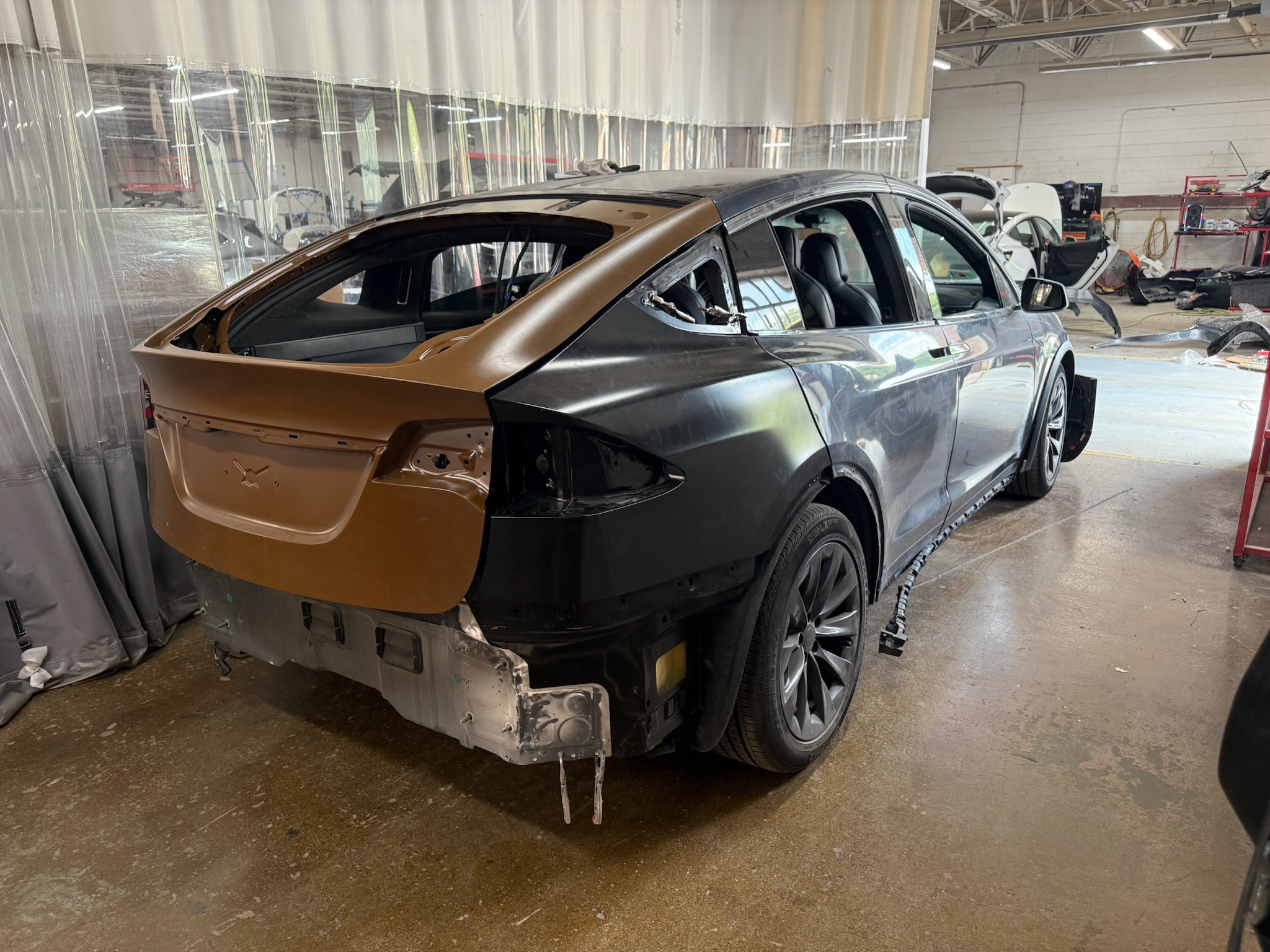
A design patent protects how a part looks, not how it works. Under 35 U.S.C. § 173, it runs 15 years from the date of grant for applications filed on or after May 13, 2015, and 14 years for earlier ones. A patent granted in the mid-2010s can therefore still be enforceable in 2026. Whether each of Ford’s five patents was in force on the dates Ford alleges sales depends on grant dates that the exhibits would show, and that is one of the first things Empire’s lawyers will check.
Congress has been asked to shorten that reach for repair parts. The PARTS Act, introduced in the Senate in February 2015 as S. 560, would have made it lawful to use or sell similar-looking exterior repair parts once more than 30 months had passed since the patented part was first offered for sale on a vehicle. Under that rule, a grille for a 2015–17 F-150 would have been open to competitors years ago. Versions of the bill were also introduced in the 112th and 115th Congresses. The Federal Circuit noted in 2019 that a related bill had never been enacted.
Who pays if the lookalike parts leave the shelf
The Automotive Body Parts Association’s own page on Empire says the company, founded in 1985, sells more than 40,000 parts, including bumper covers, lamps, hoods, fenders and grills, both certified and non-certified, and that it belongs to CAPA and the association. That is the aftermarket shelf an insurer can point to when a shop writes an estimate. If a court bars copies of these particular parts, the choices at the counter narrow to Ford’s own parts or recycled ones, because nobody else can legally sell a new part that looks the same. Ford then sets the price. A shop waiting on a harder-to-source part also keeps a customer in a rental longer, and rental coverage is already the subject of a lawsuit against Allstate.
Empire is not a new name in this fight. The docket in the earlier case, as posted on CourtListener, shows that Ford attached a 2012 letter to Empire Auto Parts as an exhibit to a supplemental brief filed Oct. 11, 2017. The Auto Wire has not seen what the letter says. The same docket shows that the earlier case was filed in January 2015 and reached an appeals ruling in July 2019, about four and a half years. A case on that calendar would get an appellate answer around 2031, though many patent suits settle well before then.
What to watch in the Texas docket
Empire’s answer will show which defenses it chooses: invalidity, a claim that its parts differ in design from Ford’s, or patent terms that had already run out on some of the parts. Ford’s promise that it may add patents and products matters for anyone selling aftermarket Ford body parts, since a longer list would move the case from six parts to a catalog. Aftermarket F-150 parts are also in court on another front, in Georgia, where a wrongful-death suit names the maker of a six-inch F-150 lift.
Should a carmaker be able to control who makes the replacement fender for a truck you already own, and for how many years?