
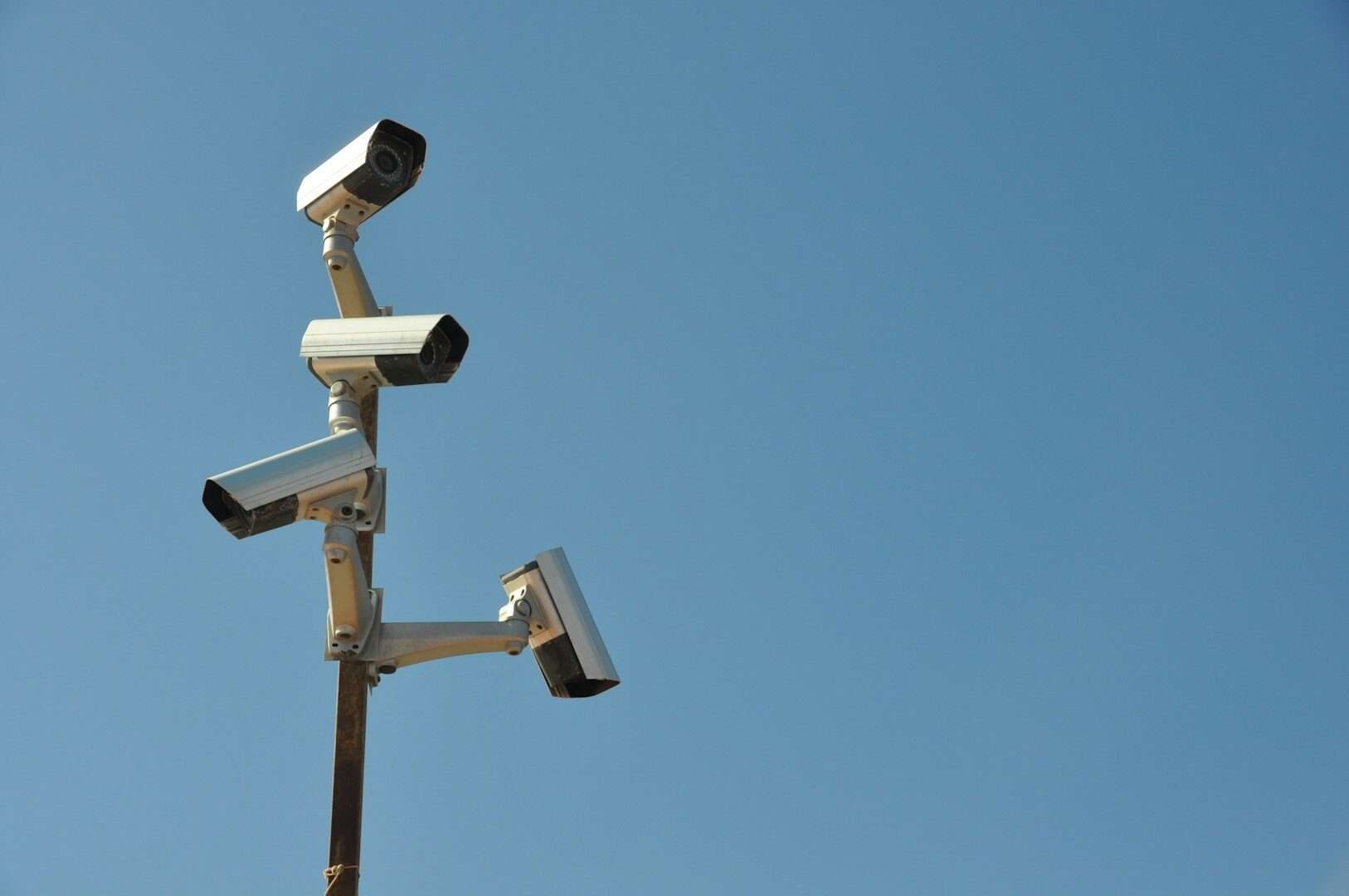
Axon is best known for Tasers and body cameras. Over the past few years it has also become a supplier of automated license plate reader (ALPR) cameras to California police, and that business is now the target of a federal class action. The interesting part isn’t a claim that police spied on anyone. The core allegation is that Axon never published a privacy policy that California law has required since 2016.
What’s been filed
According to the firm’s announcement, Gibbs Mura and co-counsel Hausfeld LLP filed the suit on November 3, 2026, in the U.S. District Court for the Northern District of California, San Francisco Division. The named plaintiffs live in Daly City and Palm Desert.
Related Articles
- Flash Flood Weather Can Stall a Car in 6 Inches of Water, and Liability-Only Coverage Won’t Pay to Fix It
- Court Papers: A Credit Check Exposed a Tesla Lease in a Delaware Man’s Name, Tied to 70-Plus More
The complaint alleges that Axon runs well over 1,000 cameras in California, including fixed cameras in high-traffic areas and cameras mounted on patrol cars. It also alleges the software uses AI to pull more than plate numbers from each image: vehicle color, make, and body type, plus the ability to detect people in the footage.
The firm’s case page lists where the cameras are alleged to be:
- Fixed cameras: Beverly Hills, Burbank, Palm Desert, Daly City, UCLA, and Cal State Long Beach.
- Patrol-car cameras: Antioch, Alameda, Hayward, Los Angeles, Fremont, and Sacramento.
The proposed class covers anyone whose plate data was collected in California and processed or stored by Axon’s system since November 3, 2023.
The most striking figure in the complaint is a volume number. Fremont Police Department’s mobile Axon cameras allegedly logged nearly 5 million plate reads in 90 days. Fremont is a single suburb in the East Bay. Scale that across a state of 40 million people, and “millions of drivers” stops sounding like a lawyer’s exaggeration.
The legal hook: a 2015 law that sat quiet for years
California’s ALPR statute, passed in 2015 as SB 34, requires anyone operating a plate-reading system to maintain a public usage and privacy policy. In its February 2026 ruling in Bartholomew v. Parking Concepts, a California appeals court spelled out what that policy has to cover: the authorized purposes for collecting the data and how long it will be retained. The policy also has to be available to the public in writing and posted conspicuously on the operator’s website, if it has one.
Bartholomew is what turned this statute into a real litigation risk. The court held that “harm” under the ALPR law doesn’t require measurable monetary loss. Collecting and using someone’s plate data without implementing and publishing the required policy counts as harm on its own.
That matters because of the remedy. Under the statute’s damages provision, a court can award actual damages of no less than $2,500, punitive damages for willful or reckless violations, and attorney’s fees. Run the numbers: if a court awarded the $2,500 minimum to a class of one million drivers, the total would be $2.5 billion. That’s before arguments over how many people actually belong in the class.
One caution for anyone assuming a payout is coming: the same Bartholomew panel affirmed the dismissal of the plaintiff’s state constitutional privacy claim. The Axon complaint leans partly on that constitutional theory, so the statutory claim is the part to watch.
Axon’s answer
Axon has already told investors where it stands. In its quarterly SEC filing, the company disclosed this case (No. 3:26-cv-11183) alongside a separate suit in Riverside County Superior Court. It described both as putative class actions under California’s ALPR disclosure statute and said:
“We deny all allegations, including the statute’s applicability to Axon, and will vigorously defend these cases.”
Axon also said the cases will likely be consolidated, and that as of September 30 it did not consider it reasonably possible that pending litigation would materially affect its finances.
Related Articles
- Tesla Kills Cybertruck Production in 2027 After Selling 20,237 Against a 250,000 Promise
- Mini Oxford Factory Halted: Missing Part Could Idle Plant Into 2027
The key phrase is “the statute’s applicability to Axon.” Expect the defense to argue that Axon only sells the equipment and software, and that the police departments, not Axon, are the “operators” responsible for publishing policies. The plaintiffs will counter that Axon processes and stores the data. A judge deciding which side has it right will matter for every ALPR vendor in the state, not just this case.
Why car people should care
Your plate is the one identifier on your car you’re legally required to display. Each individual read looks harmless: a time, a place, a direction of travel. A database of them over months shows where you work, sleep, and spend your weekends.
The AI attribute-tagging should get enthusiasts’ attention in particular. A system that records make, color, and body type doesn’t need a perfect plate read to single out a lime-green Challenger or a widebody Miata. The more distinctive your car, the easier it is to find in one of these databases.
Practical takeaways
- You don’t need to do anything right now. This is a proposed class action. No class has been certified and no settlement exists, so ignore any “claim your money” pitch for now.
- Ask your city. Under the same statute, local agencies using ALPR are supposed to post their own policies. If your police department uses Axon cameras, its retention period should be public.
- Watch the “operator” fight. If Axon wins that argument, compliance shifts entirely onto the agencies using the cameras. If it loses, every company that stores plate data in California will need to publish a policy fast.