
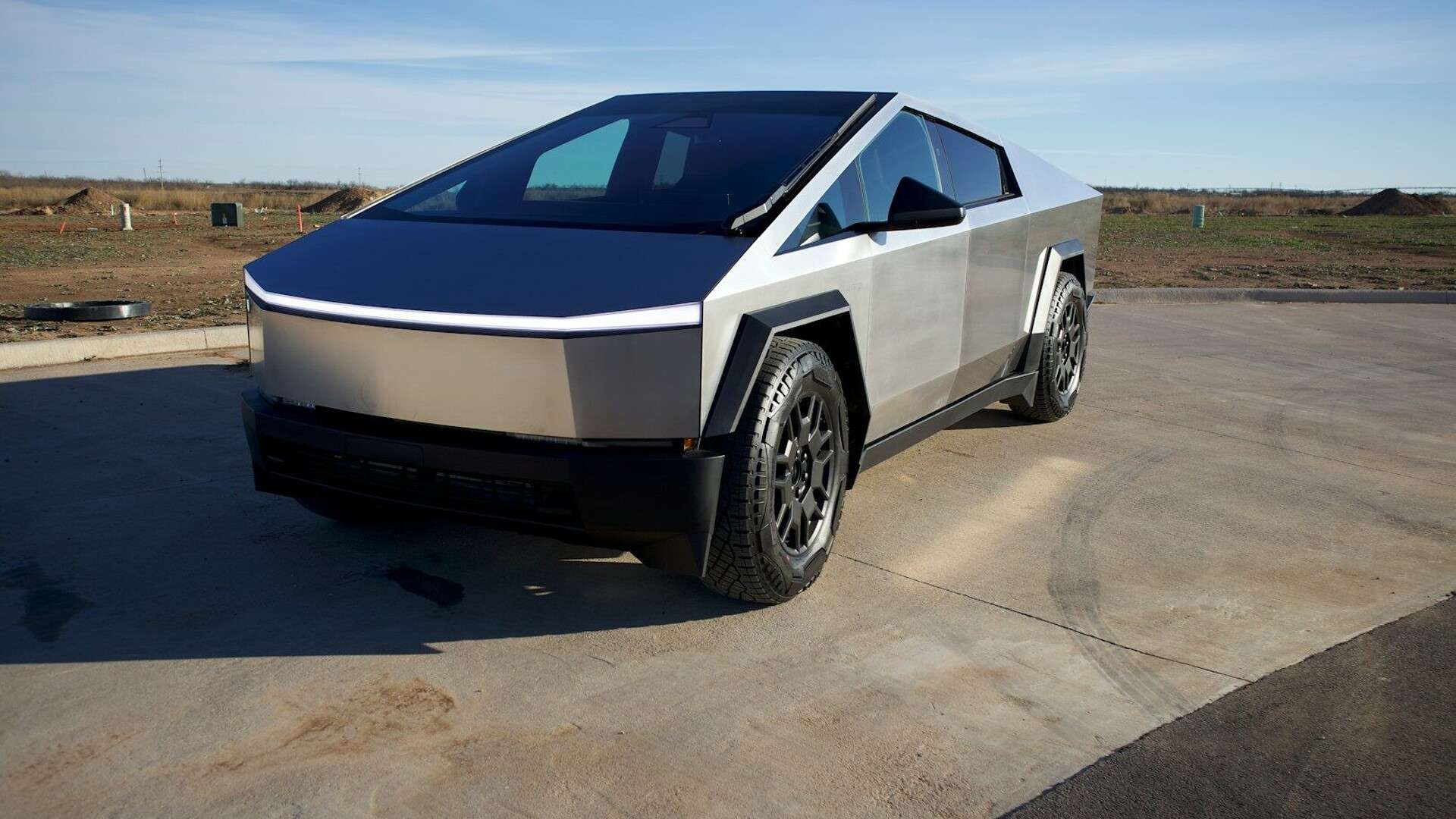
Elon Musk said on X on Friday that Tesla will wind down Cybertruck production at Gigafactory Texas around the middle of next year “to make room for increased Cybercab production.” Tesla sold 20,237 Cybertrucks in the US last year, according to Kelley Blue Book figures reported by Reuters, down 48% from 38,965 in 2024. Around the start of production, Musk had predicted annual sales of 250,000.
Tesla has not said whether the truck moves to another plant or simply ends. Reuters reports that Austin is the only known Tesla facility equipped to make the specialized components, and that Tesla did not immediately respond to a request for comment. Musk, replying to a user, said the Cybertruck fleet will be around for a long time.
A 20,237-truck line gives way to a 125,000-unit robotaxi line
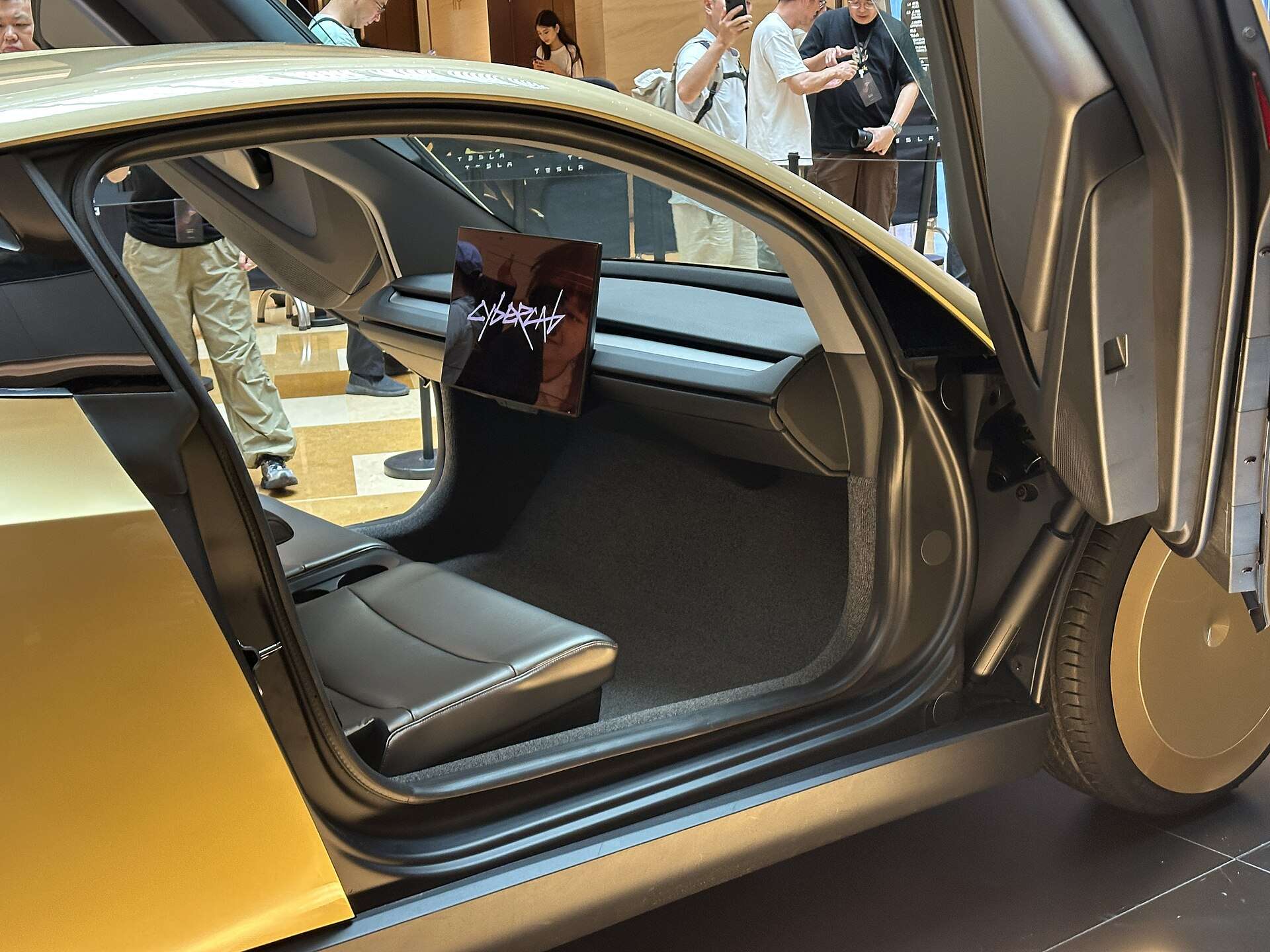
Tesla lists Cybercab installed capacity at more than 125,000 units, per Reuters. That is about six times the Cybertruck’s 2025 US sales, The Auto Wire’s math rather than Tesla’s. Capacity is not output, though. Cybercab production began only earlier this year, and Texas Department of Motor Vehicles data cited by Reuters shows about 570 of the more than 1,200 Tesla robotaxis in the state are Cybercabs, with Model Y making up most of the rest. Tesla is swapping a truck that sold poorly for a program that is still small, and asking the Austin floor to trust the forecast this time.
One of the Cybertruck’s biggest customers last year was a company Musk also runs. Reuters reports that SpaceX’s IPO filing shows it bought $131 million of Cybertrucks from Tesla at list price in 2025. That order arrived while Musk was warming to a Tesla-SpaceX merger, which needs a majority of all Tesla shares.
Overseas, Reuters reports that European pedestrian-impact crash rules made approval impossible for the stainless-steel, sharp-edged body, a view former Aston Martin CEO Andy Palmer put to the wire service. Analyst Felipe Munoz told Reuters that electric pickups from Ford and others have also struggled in the US, so the segment gave Tesla little cover.
What the recall filings say about the build
Reuters counts 11 Cybertruck recalls since sales began in late 2023, citing NHTSA. Two of the filings show how the truck was put together. In recall 24V-276, filed April 17, 2024, Tesla said an unapproved lubricant used to fit the accelerator pedal pad left residue that weakened the pad’s retention, so it could dislodge and jam in the trim above the pedal. That covered 3,878 trucks built through April 4, 2024.
The bigger one is recall 25V-170, dated March 18, 2025. The cosmetic cant rail, a steel stamping bonded to a stainless panel with structural adhesive, can delaminate at the glue joint, and a panel that comes off at speed can endanger the drivers behind. It covers 46,096 trucks built between November 13, 2023, and February 27, 2025, with Tesla estimating about 1% have the defect. The fix is a different adhesive that resists embrittlement, plus a welded stud and clamping nut, which means the replacement panel no longer relies on glue alone.
That is the cost of a bolt-on stainless skin: the body panels are the product, and each one is a part that exists for one truck at one factory.

The replacement has its own paperwork
The Cybercab has butterfly doors and no steering wheel, pedals or mirrors, and Reuters reports that NHTSA opened an audit in September to review the basis for Tesla’s self-certification to federal motor vehicle safety standards. NHTSA has also been floating rule changes for wheel-less robotaxis. The plan is to retire a truck with 11 recalls for a car whose compliance filing is under review.
What Cybertruck owners should watch
Tesla has not published a parts-support commitment that I could find, and a production end date in mid-2027 starts the clock on one. Owners with open recall work should get it done while the line is still running, since cant rail assemblies and pedal parts are Cybertruck-only. Used-truck buyers will also be pricing in a discontinued vehicle that depends on one manufacturer for everything stainless.
Was the Cybertruck a bold swing that deserved more runway, or did Tesla give an 11-recall truck all the chances it was owed?