
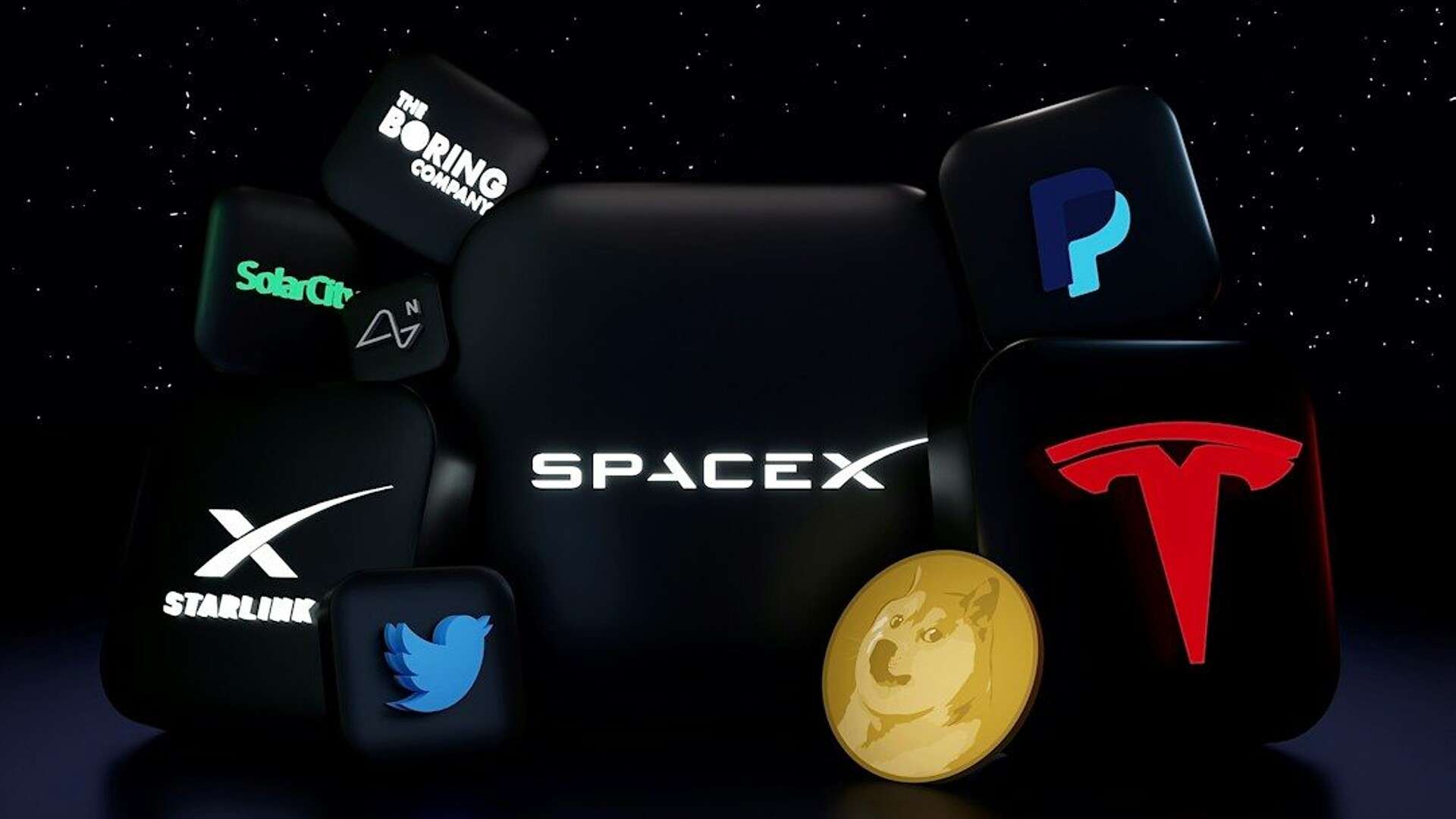
Elon Musk has a habit of announcing how the story ends before anyone has written the middle. On SpaceX’s third-quarter call on October 20, a Deutsche Bank analyst asked about combining the rocket company with Tesla. Musk said he felt like he was “tap dancing through a minefield,” then answered anyway.
“Do I think it would be a good idea? Yes,” he said, according to SpaceX’s official call transcript. Then he started hedging. He said both companies formed special committees of independent directors “at the request of shareholders.” Because he runs both companies, he can’t take part in the talks. He called it “an odd kabuki dance where two groups of people are talking, and I can’t be in the conversation.” He added that “the special committees have not reached agreement on the terms of any transaction. And obviously there’s no guarantee that they will.”
The filing says less than the CEO
Tesla’s Q3 10-Q confirms the committee exists, and its wording is worth reading closely. The committee was formed “to explore deepening Tesla’s relationship with SpaceX,” and a business combination is only one possible path, listed “including without limitation.” That mandate is broader than a merger. Licensing deals, joint ventures and supply agreements all fit inside it. Any transaction also needs the committee’s affirmative recommendation and “any necessary shareholder approval.”
Related Articles
- Honda’s Driver Data Went for 26 Cents a Car. The Report Built From It Is Still Yours to Request
- CARS Act Returns: Congress Eyes a Federal Car-Theft Bureau as Thefts Fall
The two companies already do business with each other. Tesla’s Q2 filing shows SpaceX bought $318 million worth of Megapacks in that quarter alone. It also shows Tesla invested $2 billion in SpaceX stock in March, a stake that began as an xAI investment. By September 30, Tesla valued that stake at $2.865 billion.
The 50% hurdle
Musk was direct about the hardest step. Tesla would need “a 50% vote of all shares, not just those who vote, but of all shareholders.” He called that “quite a high hurdle to try to achieve.”
The numbers show why. Tesla reported 3,952,757,946 shares outstanding as of October 15, so a majority means roughly 1.98 billion yes votes. Under that standard, every share whose owner ignores the proxy ballot counts the same as a no. A shareholder base with many small retail holders is expensive and slow to mobilize, which is why companies hire proxy solicitors for votes like this.
Two very different businesses
Put the two income statements side by side and the lopsidedness is hard to miss. SpaceX reported Q3 revenue of $14.6 billion and net income of $4.4 billion. Tesla booked $28.05 billion in revenue but only $804 million in net income. Its operating income fell to $718 million from $1.62 billion a year earlier, while R&D spending rose to $2.76 billion from $1.63 billion. SpaceX earned more than five times Tesla’s profit on about half the revenue.
The car business has its own problem. Tesla’s regulatory credit revenue dropped to $113 million from $417 million. The company also disclosed reversing $475 million in credit revenue after it had to return credits once regulators restricted certain programs. That revenue used to cushion thin vehicle margins, and it is shrinking. In a combined company, Model Ys and Cybertrucks would be a smaller part of a conglomerate built around AI and launch.
Related Articles
- LKQ’s Europe Margin Halved in a Year, and the CEO Left Before the Earnings Call
- Audi’s $4 Billion Georgia Plant Is Sized for 200,000 Cars. Audi Sold 164,942 in America Last Year
Musk’s case for the merger had nothing to do with cars. He listed superintelligence software, chip design, Terafab, robotics and the Starmind constellation. Gwynne Shotwell added “Connectivity.” Nobody mentioned a vehicle. The only car talk came from analysts: Morgan Stanley’s opened by thanking Musk “for making flying cars real,” and Deutsche Bank’s mentioned the Roadster before asking about the merger.
Tesla has done this before
Tesla has formed special committees for Musk-related deals twice before. In 2016, a special committee process vetted the SolarCity acquisition, where Musk had interests on both sides. In 2018, Tesla formed a three-director committee to evaluate Musk’s take-private idea, and Tesla stayed public. A special committee marks the start of a process. It doesn’t show that a deal will happen.
What it means for owners and buyers
Nothing changes for current owners yet. If a deal happens, stock-for-stock combinations usually keep the acquired company running as a subsidiary. In that case, the entity that issued your warranty and reports to NHTSA on recalls would remain legally responsible. Tesla is carrying $10.14 billion in accrued warranty liability, according to its latest 10-Q. Those obligations stay with the business through a merger. A change in parent company also wouldn’t, by itself, change insurance premiums, which insurers set based on repair costs and claims history.
Inside one company, a Tesla engineering budget would sit next to a rocket’s. By SpaceX’s own figures, the rocket earns far more per dollar of revenue. If you’re waiting on a cheaper model or that long-promised performance car, that’s where I’d worry.
The next concrete sign would be an 8-K naming committee members, advisers or terms. Until one is filed, there is only Musk’s stated preference and a filing written to avoid committing to anything.
Would you vote yes on a Tesla–SpaceX combination, or leave the ballot in the mailbox, where it counts as a no?