
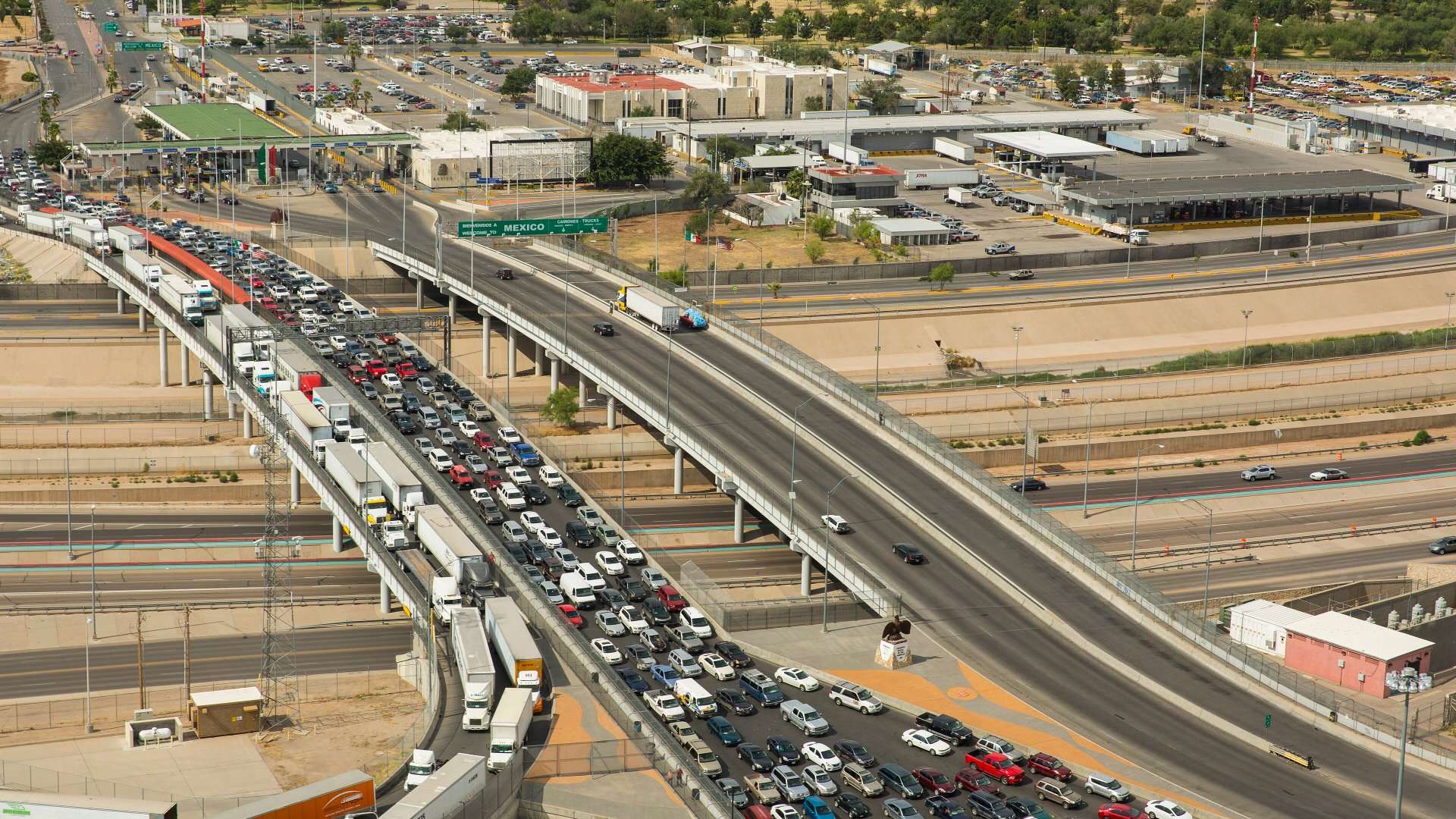
Operation Southbound Takedown, the case charging 13 people with moving stolen vehicles to Mexico, recovered 29 vehicles worth about $1,137,000, according to the U.S. Attorney’s Office for the Western District of Texas. Divide it out and the average is roughly $39,200 a vehicle, The Auto Wire’s math. That is daily-driver money. And by my count from the release, 11 of the 13 defendants are U.S. citizens.
Together they point to a pipeline staffed by people who live here, moving cars that look like yours. The charge prosecutors chose is the one that reaches exactly those drivers.
What prosecutors say happened in El Paso
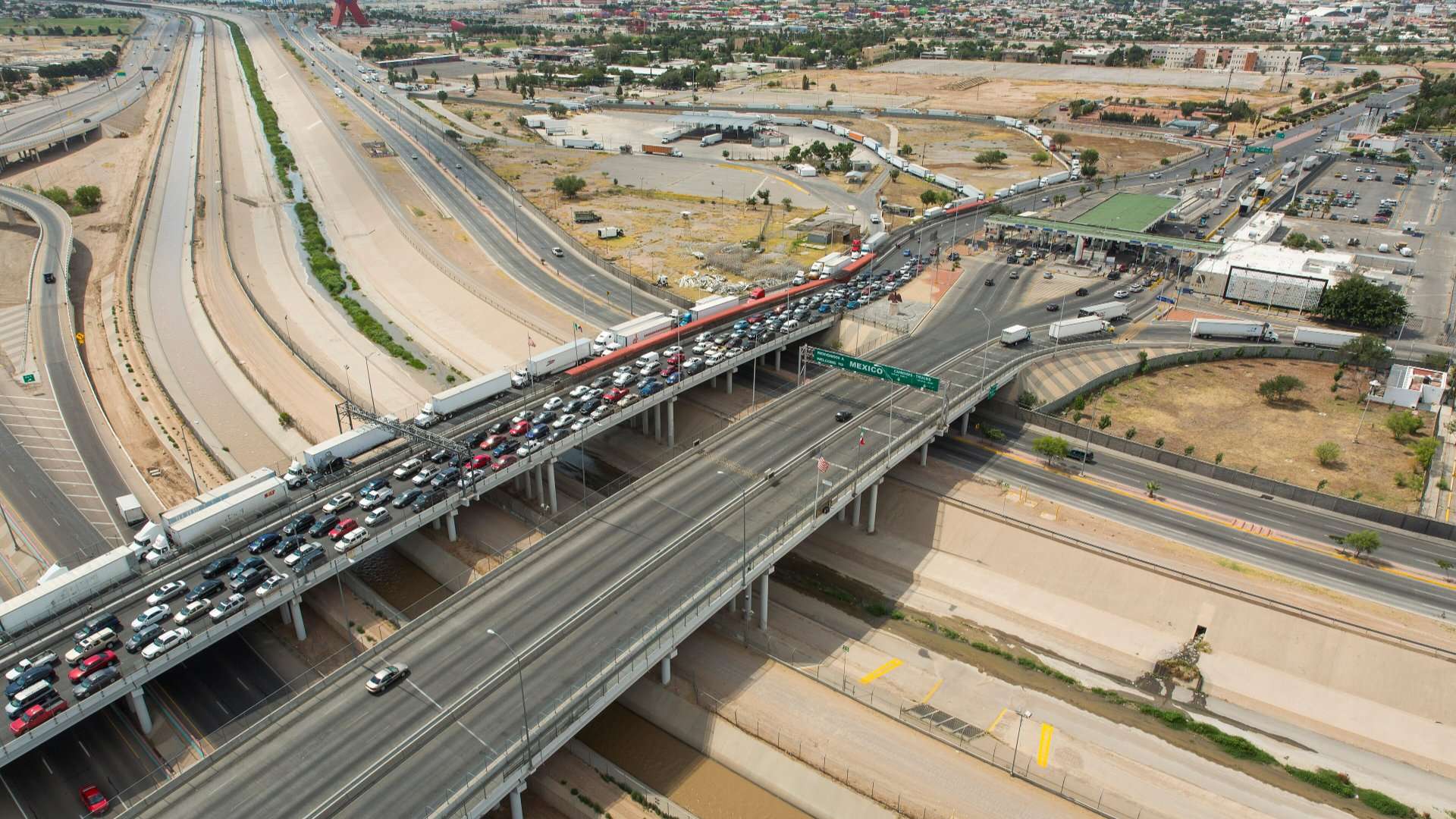
U.S. Attorney Justin R. Simmons announced the charges Monday, Oct. 26, at a press conference in El Paso. Homeland Security Investigations and the FBI led the announcement, and ATF, DEA, Customs and Border Protection, the Texas Department of Public Safety and the El Paso Police Department were also there. Prosecutors allege that privately owned and rental vehicles were stolen across the southwestern United States, driven to El Paso and delivered into Mexico for criminal organizations. The investigation began in spring 2026 and, the release says, spans both countries and remains active.
Kimberly Aguilar was indicted March 25 and Marty Gerardo Jr. on July 22; both are in state custody. The other 11 were charged and arrested between July 22 and Oct. 19, and nine of them are U.S. citizens. The two Mexican citizens are Pablo Frias, who holds a Legal Permanent Resident Card, and Pilar Bernabeth Mendez Rivas, who holds a Border Crossing Card. Every defendant faces one charge, interstate transportation of stolen property, with a maximum of 10 years in federal prison. An indictment is an allegation, and all 13 are presumed innocent.
A theft statute carries the cartel case
Simmons’s warning stressed that several of the cartels involved are designated foreign terrorist organizations, and he told anyone considering the work: “do not do it.” The counts, though, are theft counts. The release does not cite a section, but the federal statute written for motor vehicles, 18 U.S.C. § 2312, covers anyone who transports a vehicle in interstate or foreign commerce “knowing the same to have been stolen,” and sets a ceiling of 10 years, a fine, or both.
Under that wording, prosecutors do not have to show a driver belongs to a cartel. They have to show the vehicle crossed a state or national line and the driver knew it was stolen. Knowledge becomes the element a defense lawyer will fight over. A 10-year maximum is also only a ceiling; the release says a judge will weigh the U.S. Sentencing Guidelines and other statutory factors.
Drivers are the reachable part of the chain
HSI El Paso Special Agent in Charge Ryan G. McRae said, “These are not isolated property crimes,” in the release. Yet the people named are the ones inside U.S. borders: 11 citizens and two Mexican nationals with documents that allow them to cross. No one in Mexico is named, which is what you would expect when the defendants are the people a U.S. court can arrest. Simmons framed the pitch to recruits as an easy payday that feeds larger criminal operations, including human smuggling, extortion and drug trafficking.
The cars come from places ordinary people leave them. The Auto Wire has covered how an unreturned rental can reach Mexico before California calls it stolen, and how CBP’s Elizabeth, N.J., office reported a record 603 stolen vehicles stopped before export, most of which go back to insurers rather than owners.
What a legal export of a used vehicle requires
Federal rules say what a clean export looks like. Under 19 CFR 192.2, an exporter of a used, U.S.-titled vehicle must give CBP the original title and two complete copies at least 72 hours before export. At a land border the vehicle itself is presented at the time of export. If a lienholder or lessor is involved, the exporter also needs a letter on the lender’s letterhead saying the vehicle may be exported, with the VIN, phone numbers, an original signature and a date.
The release does not say where or how these vehicles crossed, so I can’t say whether any went through that process. The rule does show what a lawful export leaves behind: three days of notice and a signature from whoever holds the lien. A rental-fleet SUV that heads south without them is a vehicle no lender or title office knows is leaving.
What to watch as the case moves
The release counts 29 recovered vehicles. It does not say how many were stolen, from whom, or where they were found, and the court filings should show how many vehicles each count covers. Whether prosecutors add counts or defendants as the investigation continues is the other thing to track. Congress is also weighing the idea again; The Auto Wire reported today that the CARS Act is back with a proposed federal car-theft bureau.
Should a driver who knowingly hauls a stolen vehicle to the border face the same 10-year ceiling as the person who stole it?