
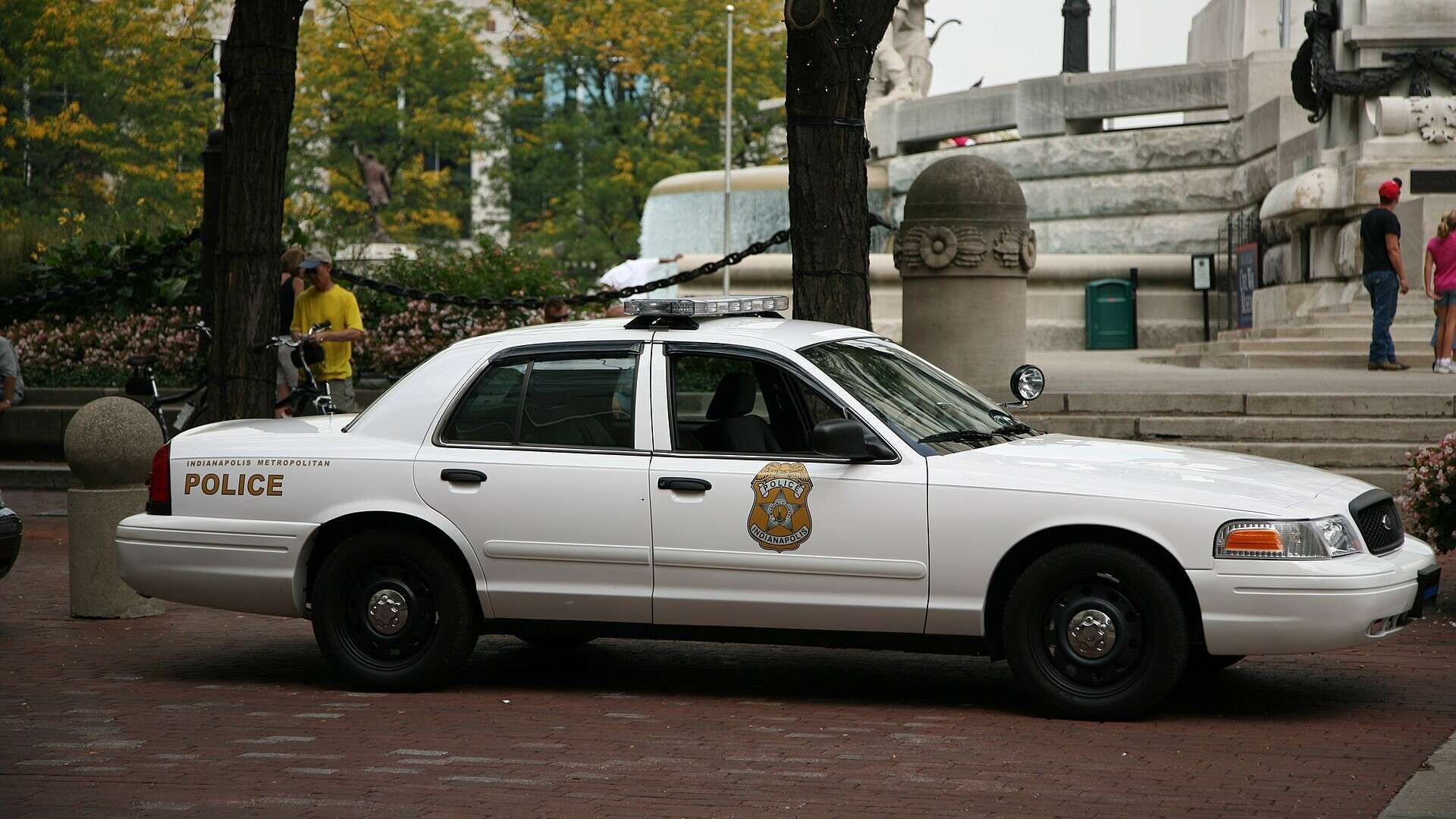
Chaise Watkins, a 31-year-old Indianapolis Metropolitan Police officer, was arrested just after midnight on Oct. 27 after officers responding to a report of trouble with a person found him trying to park his marked patrol vehicle in an apartment complex lot in the 1500 block of Stadium Way, near West 16th and North Harding streets, IMPD told WTHR.
Officers saw “signs of intoxication” and called a supervisor to the scene. WISH-TV reported that Watkins was off duty and that the department’s Special Investigations and OVWI detectives took over. He was taken to a hospital for a blood draw, which IMPD said is department policy, and Chief Tanya Terry placed him on administrative leave with no police powers. Police preliminarily charged him with operating a vehicle while intoxicated endangering a person and with operating while intoxicated with a blood alcohol content of 0.15 or higher. Both are Class A misdemeanors. The Marion County Prosecutor’s Office will make the final charging decision.
None of the reports I reviewed gives a test result, and none includes a statement from Watkins or an attorney.
How Indiana grades a drunk-driving count
Indiana sorts these cases by the number and by the driving. Under Indiana Code 9-30-5-1, an alcohol concentration of at least 0.08 but under 0.15 is a Class C misdemeanor, and 0.15 or above is a Class A. Under section 2 of the same chapter, operating while intoxicated is a Class C misdemeanor unless the driver operated the vehicle in a manner that endangers a person, which makes it a Class A. A Class A carries up to one year in jail and a fine of up to $5,000; a Class C tops out at 60 days and $500.
That makes the blood draw the hinge of the first count. The 0.15 charge rests on a lab figure the public reports do not include, and a result between 0.08 and 0.15 would move that count down a tier. The endangerment count does not depend on a number. It depends on what prosecutors can show about how the car was driven, and none of the reports describes a crash.
A 2018 conviction that falls outside the felony window
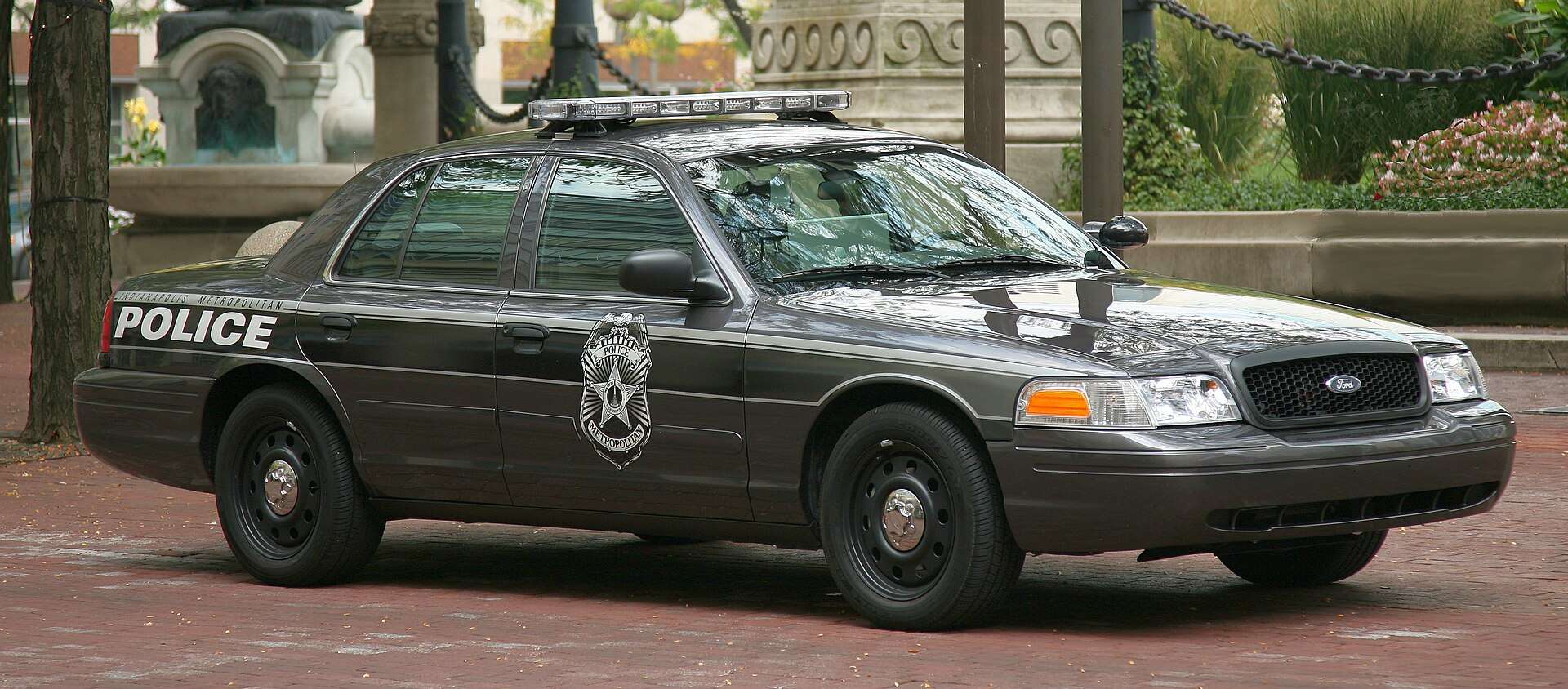
WTHR, citing online court records, reported that Watkins has a 2018 misdemeanor OWI conviction. According to the arrest report as WTHR described it, police stopped him on Interstate 70 in Clay County on March 9, 2018, for following too closely and after calls about a possible drunk driver who nearly hit another vehicle. WTHR reported that he blew 0.184 after failing field sobriety tests and later pleaded guilty to a Class C misdemeanor.
A prior conviction can turn a new OWI charge into a felony, but only inside a window. Section 3 of the chapter makes a violation of section 1 or 2 a Level 6 felony if the driver has an OWI conviction within the seven years immediately preceding the new violation. On WTHR’s account of the records, Watkins’s conviction sits outside that window, so the new counts stay misdemeanors. The clock runs the same way for every driver in Indiana, officer or not. A conviction from five years ago makes a new arrest a potential felony. One from eight years ago does not.
What a misdemeanor means for the badge
Being convicted and being fired are separate processes with separate deciders. Under IC 5-2-1-12.5, the Indiana Law Enforcement Training Board may revoke an officer’s certification after a felony conviction, or after a misdemeanor conviction that would lead a reasonable person to see the officer as dangerous or violent or as having a demonstrated propensity to violate the law. The section does not mention OWI by name, and “may” leaves the decision to the board. On the statute alone, this is a misdemeanor case with a one-year ceiling, and whether Watkins stays an officer will turn on the chief, the merit board, and the prosecutor.
Employment is decided closer to home. When IMPD Sgt. Peter Fekkes was arrested on an OWI charge in Hendricks County in July 2024, WISH-TV reported that he had been suspended without pay since April, pending a recommendation to the civilian merit board that he be terminated over a separate 2022 arrest in Ohio. In Watkins’s case, the reports describe leave with no police powers and say nothing about a termination recommendation.
The second IMPD officer OWI arrest this year
Detective Caitlin Harris, an eight-year IMPD veteran assigned to the child abuse unit, was arrested in March after other officers smelled alcohol on her at a scene and told a supervisor, IMPD said. WRTV reported that she was taken for a blood draw and that the chief put her on leave without police powers the same day. WTHR reported that the Marion County Prosecutor’s Office charged her with official misconduct, operating while intoxicated and operating with an alcohol concentration of .08 or more. The outcome of that case was not in the reports I reviewed.
Marked patrol cars have been the setting for other officer arrests this month. The Auto Wire covered a Florida officer arrested for DUI in his marked patrol car near Orlando City Hall, and Indiana’s OWI charge is the same one facing a woman after a sheriff posted video of her doing donuts on an Indiana courthouse lawn.
What happens next
The prosecutor’s charging decision comes first, and the reports give no court date. The lab result from the blood draw will show whether the 0.15 count holds up. Any move toward firing Watkins would go through the merit board, as it did in the Fekkes case. For now, the charges are preliminary, and a charge is an accusation, not a finding.
Is seven years the right look-back for someone licensed to pull everyone else over?