
A Santa Ana father pleaded not guilty Thursday, Nov. 12, to a felony count of child endangerment and a misdemeanor count of contributing to the delinquency of a minor, KTLA reported. Orange County prosecutors filed the charges after his 13-year-old son died in an e-motorcycle crash on Magnolia Street in Garden Grove. The boy’s mother, who is charged with one misdemeanor count of child endangerment, also pleaded not guilty, according to MyNewsLA. KTLA reported she did not have to appear in person.
According to MyNewsLA’s account of the hearing, attorney Joel Garson said the parents are grieving, have very limited English, and did not understand the difference between an e-bike and an e-motorcycle. He also said the retailer sold the vehicle without warning them about its speed or its legal status. The next court date is Jan. 25 at the West Justice Center in Westminster.
What prosecutors say happened on Magnolia Street
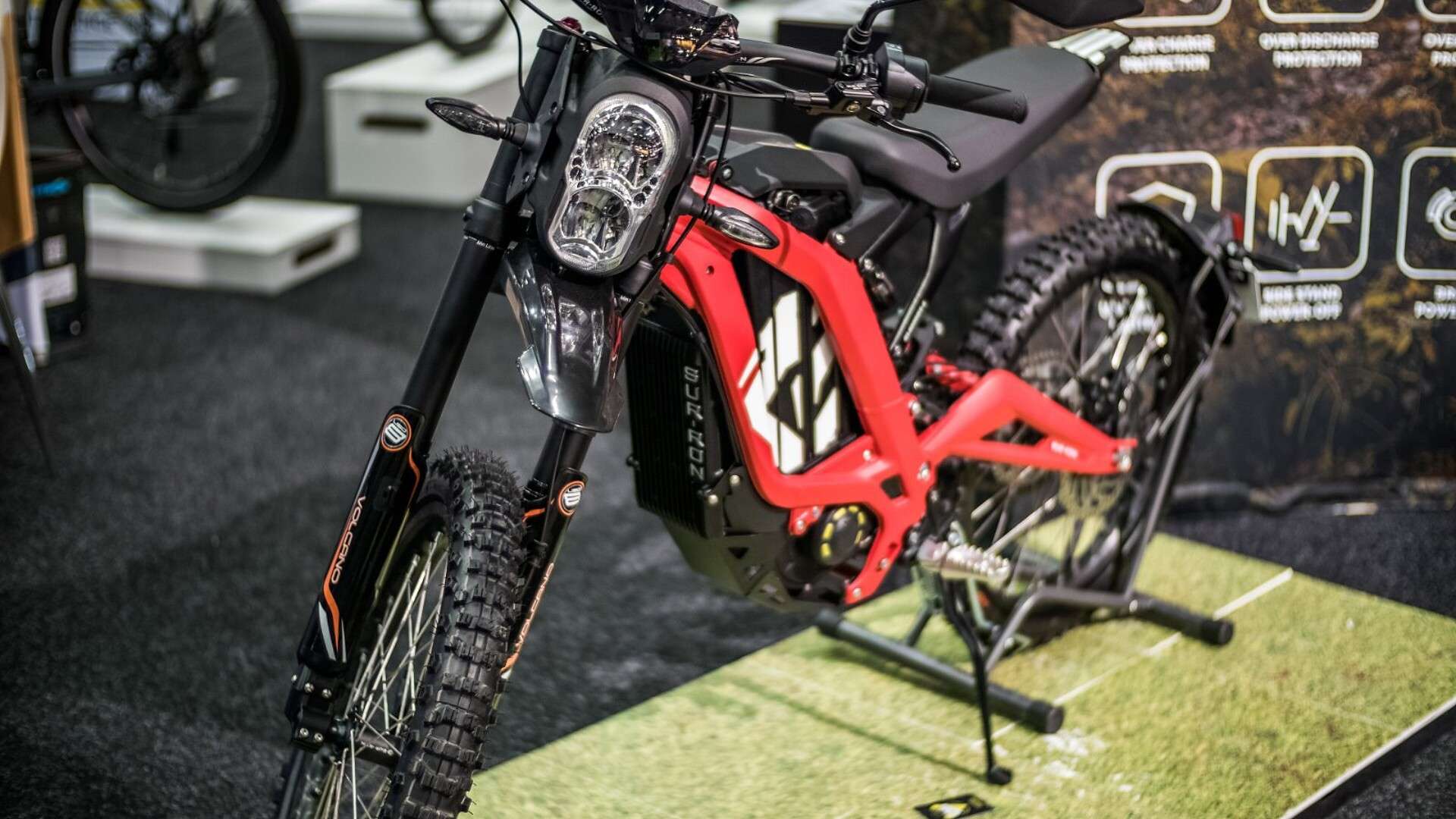
The Orange County District Attorney’s Office says the crash happened just before 10 p.m. on May 7, near Larson Avenue. Its Oct. 20 release (case 26WF4151, prosecuted by Senior Deputy District Attorney Noor Hasan) says the Life360 app showed the boy going 43 mph when he lost control. KTLA reported that he hit a raised center divider, was thrown from the bike and struck a concrete light pole. He died at UCI Medical Center. The DA says the E-Ride Pro SS 2.0 reaches 40 mph in its Eco mode and 62 mph in Sport mode.
Prosecutors say the boy was seen speeding, running red lights and doing wheelies before the crash, and posted wheelie videos on TikTok and Instagram. The release says the father received multiple warnings about the riding and bought his son a faster, more powerful e-moto anyway, after a different electric vehicle left the boy with a broken leg about six months before his death. It does not say who gave the warnings, when, or where the bike was bought. It cites no Penal Code sections for either charge, and I have not seen the complaint itself. The Auto Wire covered the original charges last month.
How California separates an e-bike from a motorcycle
Vehicle Code 312.5 defines an electric bicycle as a bicycle with fully operable pedals and a motor of no more than 750 watts, sorted into three classes that stop assisting at 20 mph or 28 mph. A vehicle outside those limits may be a moped or a motorcycle. Attorney General Rob Bonta’s April 14 consumer alert, issued with several district attorneys, put it this way: “If it’s too fast, it’s not an e-bike.”
Prosecutors in this case classify the E-Ride under Vehicle Code sections 400 and 405 as a motorcycle or motor-driven cycle. For street use that means a motorcycle license, which the alert says DMV issues only to people 16 or older, plus registration, a plate, insurance and motorcycle equipment. The DA’s office says children under 16 are legally prohibited from riding e-motorcycles.
The same alert puts a duty on sellers. A vehicle can be advertised as an e-bike only if it fits one of the three classes, and every e-bike sold in California must carry a permanent label showing its class, top assisted speed and motor wattage. That is the backdrop to Garson’s claim about the retailer. The DA’s release does not mention the seller, and nothing I found alleges wrongdoing by one. Marketing for the model does give the defense something to point to: one online retailer’s listing for the E-Ride Pro SS 2.0 uses the word “Ebike” in its title, lists 5,000-watt and 12,000-watt ratings against the 750-watt ceiling, gives a top speed of up to 60 mph, calls the bike off-road, and says nothing about street legality, registration or age. That is one seller’s page. I don’t know where this family bought theirs.
Why the warnings matter more than the bike’s label
In the DA’s telling, the case turns less on the bike’s classification than on what the parents knew. The contributing-to-delinquency charge shares its name with Penal Code 272, a misdemeanor punishable by up to a year in county jail, a fine of up to $2,500, or both, with probation of up to five years as an alternative. The release does not say that is the section used.
Another Orange County case shows how prosecutors document knowledge when they can. The DA’s release on an Aliso Viejo mother describes a June 2025 body-camera recording in which two sheriff’s deputies spent 28 minutes with her and warned that she could face criminal charges if she kept letting her then-13-year-old son ride his Surron. She is charged with felony involuntary manslaughter and other counts after the boy, 14 when charged, hit and killed an 81-year-old Vietnam veteran in Lake Forest on April 16. The maximum sentence is seven years and eight months.
The Nguyen release has nothing comparable on the page. It describes the warnings only as multiple. Who gave them, in what form, and whether the family could understand them is the first thing the defense can test, and it is where Garson’s language argument will either gain ground or lose it.
One of at least 10 parent prosecutions in Orange County
District Attorney Todd Spitzer created a unit called RIDE SAFELY on May 13 to review charges against juveniles and adults, including parents who let children ride illegal e-motorcycles. KTLA reported that the office has charged at least 10 parents. On Oct. 21 it announced charges against six more parents and an adult brother, including a case in which a teen’s e-motos were impounded twice and one auctioned.
The office says e-bike and e-moto injuries have risen more than 430% in Southern California over four years and are now the leading reason children in Orange County end up in an emergency room. It also cites statewide crash data showing children 11 to 14 account for 61.7% of e-moto crashes. The question of who answers for a child’s fast electric bike is not limited to California; an 11-year-old in Oviedo, Florida, pleaded not guilty over a 4,500-watt electric dirt bike last month.
What comes next in Westminster
Both parents are due back in court Jan. 25. If convicted on all counts, the father faces up to six years in state prison and the mother up to one year in county jail, according to the DA’s office. Until then, the facts that will matter are specific: who warned the family, what the bike’s labeling said, and whether the seller told them anything about its speed.
Should prosecutors charge parents when a child is hurt on an illegal e-moto, or should more of the legal weight fall on the retailers who market those bikes as e-bikes?