
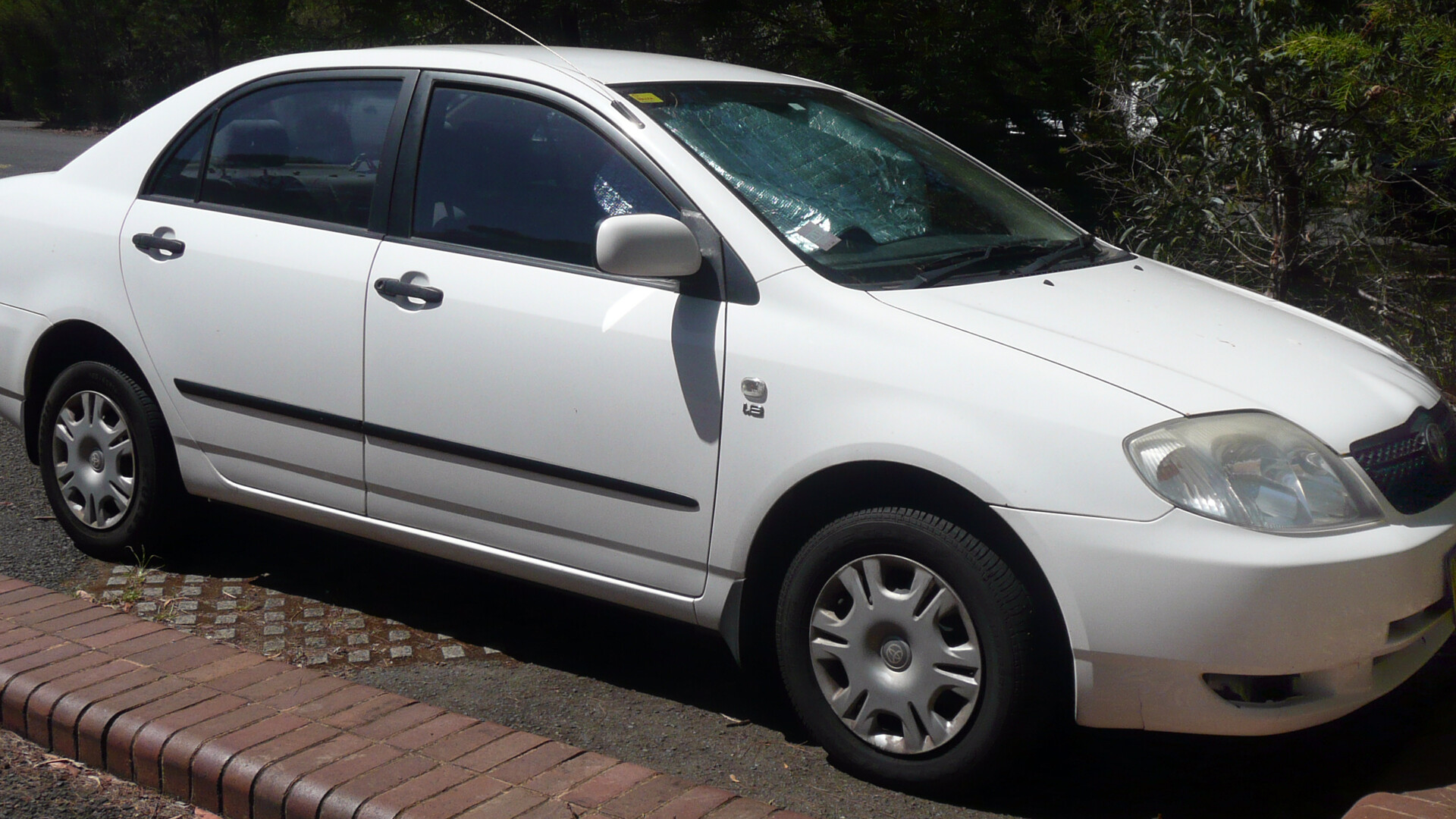
Toyota said Nov. 12 from its Plano, Texas, headquarters that it is recalling about 314,000 Toyota and Lexus vehicles in the United States over a Takata front passenger airbag inflator that can rupture, the same defect that led Stellantis to warn owners of 225,000 vehicles to stop driving earlier this year.
According to Toyota’s release, the propellant in the inflator can degrade over time in certain temperature and humidity conditions. If the airbag deploys, degraded propellant can rupture the inflator, and metal fragments can pass through the airbag at high speed into the cabin, which Toyota says may result in “injury or death to vehicle occupants.” Dealers will replace either the inflator or the whole airbag assembly, depending on the model, free of charge.
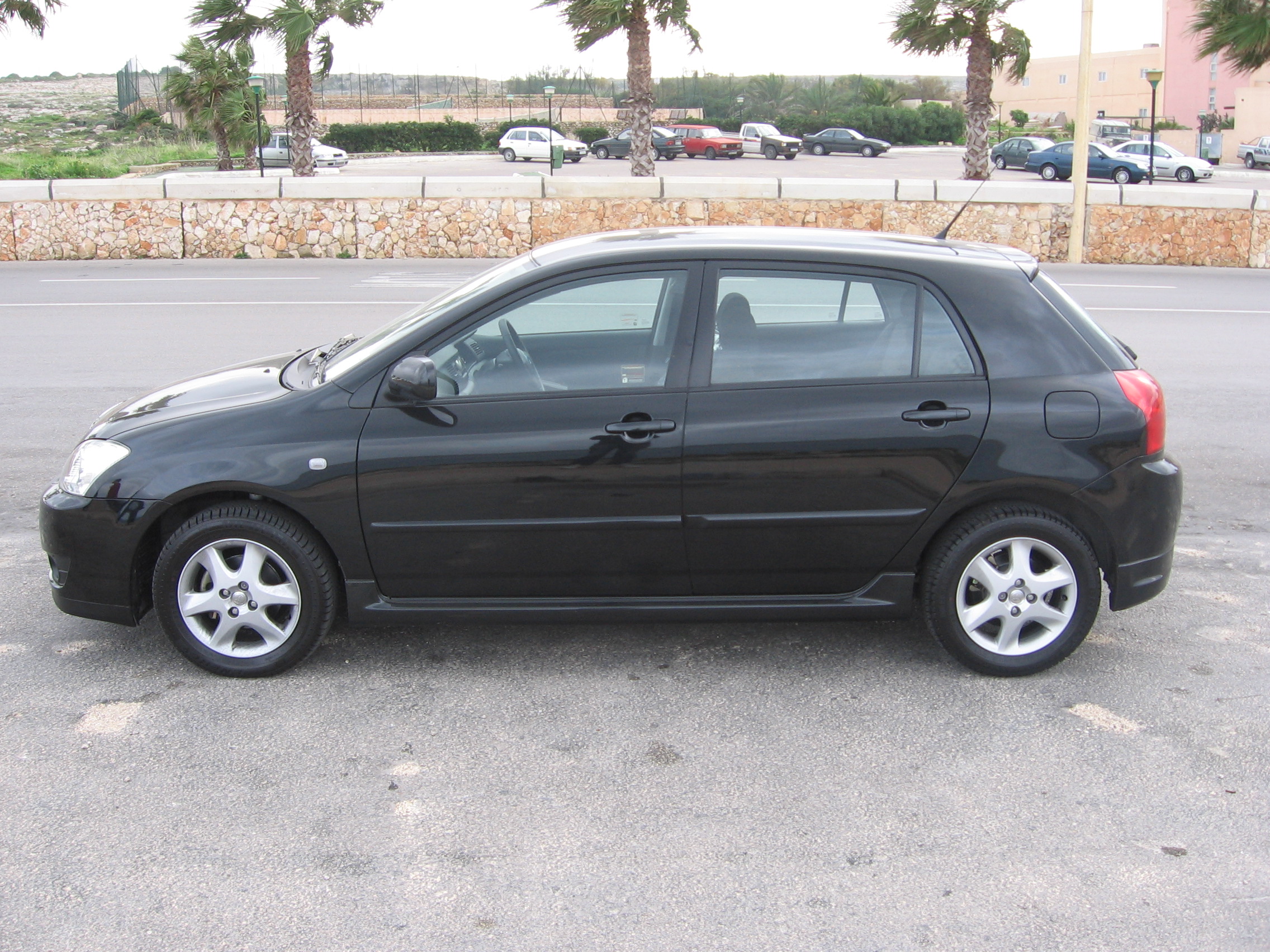
Toyota’s release does not name the models
The release lists no models or model years, gives no count by model, says nothing about when owner letters will mail, and carries no NHTSA campaign number. It sends owners to NHTSA’s recall lookup and Toyota.com/recall, where a VIN or license plate shows whether a specific car is included, and to Toyota’s Brand Engagement Center at 1-800-331-4331. I could not find the campaign filing in NHTSA’s public records when I checked, so a model-by-model breakdown is unconfirmed here. The lookup is the only way for an owner to know.
Heat, humidity and the age of the cars
NHTSA says it has confirmed 28 deaths in the United States from exploding Takata PSAN inflators and that at least 400 people have allegedly been injured, across about 67 million recalled air bags. The agency says the propellant breaks down after long exposure to high temperature swings and humidity, and it sorted the recall into climate zones. Zone A, the hot and humid one, includes Alabama, California, Florida, Georgia, Hawaii, Louisiana, Mississippi, South Carolina and Texas, plus several U.S. territories.
Toyota’s own Takata page, citing NHTSA’s May 4, 2016 expansion, projects 6 to 9 years in service before significant degradation in Zone A, 10 to 15 years in Zone B and 15 to 20 years in Zone C. The same page lists the 2003-2008 Corolla and Matrix, the 2003-2006 Tundra, the 2002-2007 Sequoia and the 2002-2010 Lexus SC 430 among the nationwide passenger-inflator recalls. By model year those cars are now 16 to 24 years old, and the oldest are past the top of the Zone C range. Toyota’s release does not say which of those models are in the new 314,000.
One of them shows how many times a single car can be called back. NHTSA’s records for the 2005 Corolla list five passenger-side air bag campaigns between 2015 and 2019: 15V285000 and 15V286000 (both received May 13, 2015), 18V883000 (Dec. 12, 2018), 19V627000 (Aug. 28, 2019) and 19V741000 (Oct. 17, 2019). NHTSA’s summaries describe an inflator that could rupture or explode in four of them, and the 2019 filing 19V741000 cites propellant degradation after long exposure to high absolute humidity. Toyota’s release does not say whether the new recall reaches cars that already got one of those fixes.
What the repair costs owners
Parts and labor are free. Toyota’s Takata page says most repairs take about an hour, depending on dealer schedules, and that free loaner vehicles or free pickup are available. What an owner spends is the appointment, and the release does not say when letters go out.
Toyota’s release does not tell owners to stop driving. NHTSA does attach Do Not Drive warnings to some other Takata vehicles it considers far higher risk, including certain 2006 Ford Rangers and Mazda B-Series trucks and certain 2001-2003 Hondas and Acuras. Toyota’s page says to recheck at least every three months because vehicles get added, and NHTSA recommends checking at least twice a year, so a car that came back clean in the spring can read differently now. The Auto Wire’s guide to what to do when your car is recalled covers the steps after a lookup comes back positive.
The NHTSA filing is the next document to watch, since it should settle which models are in the 314,000 and when letters are due. Toyota has announced a recall of that size without naming a single model in its release. Should an automaker have to list every affected model when it announces a recall, or is pointing owners to a VIN lookup enough?