
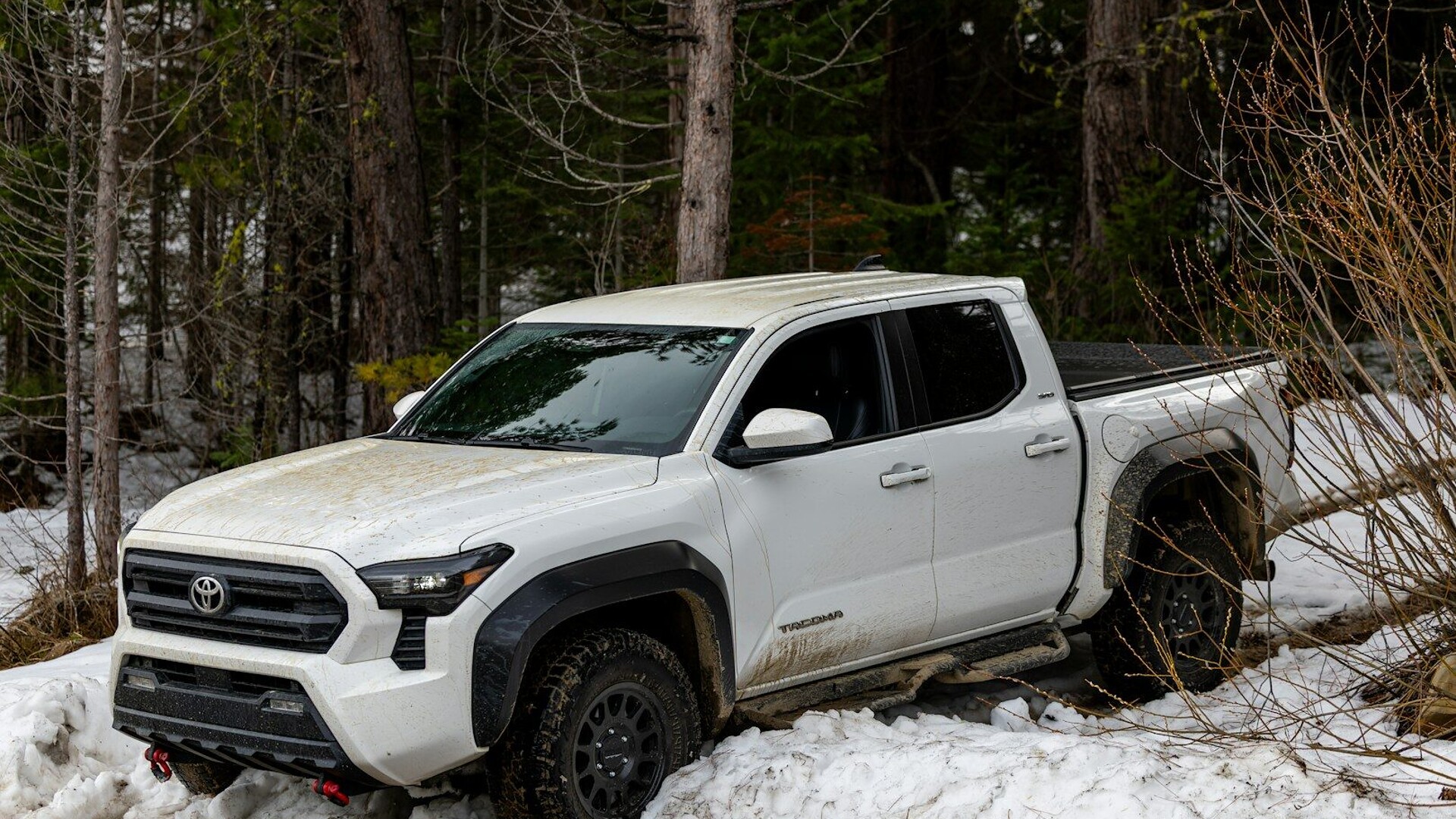
Toyota spent two years chasing machining debris through the main bearings of its 3.4-liter twin-turbo V6. Now it has found a separate problem in the same engine: a bad batch of camshafts.
Toyota is conducting a safety recall involving certain model year 2022-2023 and 2025-2026 Tundra non-hybrid vehicles. Approximately 62,000 vehicles are involved in this recall in the U.S. In its recall announcement, Toyota says the trucks could be equipped with an engine camshaft that was manufactured incorrectly, which could snap during driving. This can lead to a loss of motive power at higher speeds, increasing the risk of a crash. toyota
The trucks Toyota is worried about make up a small share of that 62,000. Affected camshafts are from one specific production lot from a specific supplier. We estimate that there are approximately 300 affected camshafts that could have been installed in the subject vehicles. That’s about one truck in 200. Toyota doesn’t know which trucks have the bad parts, so all 62,000 have to be checked. toyota
What happens when a camshaft breaks
A camshaft opens and closes the valves in step with the pistons. If it breaks, the valves past the break stop working. Some stay shut, and others may stay open when a piston comes up. Best case, those cylinders stop making power and the engine runs very badly or quits. Worst case, in an engine where the valves and pistons share space, an open valve gets hit by a piston, and the engine needs far more than a new camshaft.
Related Articles
- Two Dealership EV Fires in Three Days: One Hospitalized Two Workers, the Other Held Firefighters for 17 Hours
- Pa. Sheriff’s Two-Year Fight Over GPS in County Cars Ends Without a Ruling, and Both Sides Call It a Win
The bearing recalls involved wear that built up over time, sometimes with knocking as a warning. A broken camshaft is a sudden failure: the cam is either intact or it isn’t. That’s why the release mentions higher speeds. Losing power merging onto an interstate with a trailer behind you is a far bigger problem than the repair bill.
Toyota hasn’t said what’s wrong with the bad lot, whether it’s a heat-treatment problem, a casting flaw, a machining error or something else. It also hasn’t named the supplier. Both answers would show whether the flaw stayed in one lot, so watch for the Part 573 report when it reaches NHTSA’s database.
The fix and the timeline
The dealer will inspect the camshaft to see if it may be from the affected lot and, if so, the camshaft will be replaced at no cost to the customer. Owners of involved vehicles will be notified by mid-January 2027. A camshaft swap is a much smaller job than the engine replacements in the earlier campaigns. It’s still real work under the hood, so expect to leave the truck at the dealer for a while if yours turns out to have one. toyota
How we got to four recalls
These recalls cover two separate problems in the same engine. The first was recall 24V-381, filed in May 2024 for 102,092 2022–2023 Tundras and Lexus LX600s. Machining debris could contaminate the engine and wreck the main bearings, and dealers replaced the whole engine. Then came recall 25V-767, which added 126,691 Tundras and Lexus LX and GX models. Its remedy is different: dealers check the #1 main bearing using inspection software and drive data, and replace the engine only if needed. Finally, recall 26V-320 covered 43,566 2024 Tundras. “Interim letters notifying owners of the safety risk were mailed July 23, 2026.” A final remedy hasn’t been announced. api.nhtsa.gov
Add them up and the V35A has now been named in recalls covering more than 330,000 vehicles in about two and a half years. The camshaft campaign is the fourth.
The model years are worth a closer look. The 2024 Tundra isn’t in the camshaft recall at all, and the 2025–2026 trucks, which were built after the debris fixes, are. That suggests the bad camshaft lot reached the assembly line in more than one period, or that the lot went into service parts as well as new engines. Toyota hasn’t said which.
Related Articles
- Stellantis’ Sales Chief Lasted Under Seven Months. Tim Kuniskis Now Owns the Dealers, the Fleet and the Brands
- Victoria Police Seized 900-Plus Key Cloners, Then Told Owners to Lock the OBD Port
That raises a question for owners who already got a new engine under the bearing recalls: could their replacement engine have a camshaft from the bad lot? The release doesn’t say whether replacement engines are covered. If yours was swapped, ask the dealer to check the camshaft anyway.
What owners and buyers should do
Owners can enter their VIN or license plate at Toyota.com/recall or NHTSA.gov/recalls, or call Toyota’s Brand Engagement Center at 1-800-331-4331. Check now, and again in January after the database updates. toyota
If you’re shopping for a used 2022–2026 Tundra, a clean report on one recall doesn’t settle anything. Run the VIN against all four campaigns and ask for paperwork on any engine work. A truck with an open camshaft recall is fixable. A truck whose bearing remedy is still pending is harder to price.
Insurance is blunt about this: a mechanical failure on its own isn’t a claim, but a crash after the engine quits on the highway is. Book the inspection the day Toyota’s letter arrives.
Is a fourth recall on one engine a reason to cross the Tundra off your list, or does a truck that’s been through all of them become the safer buy?