
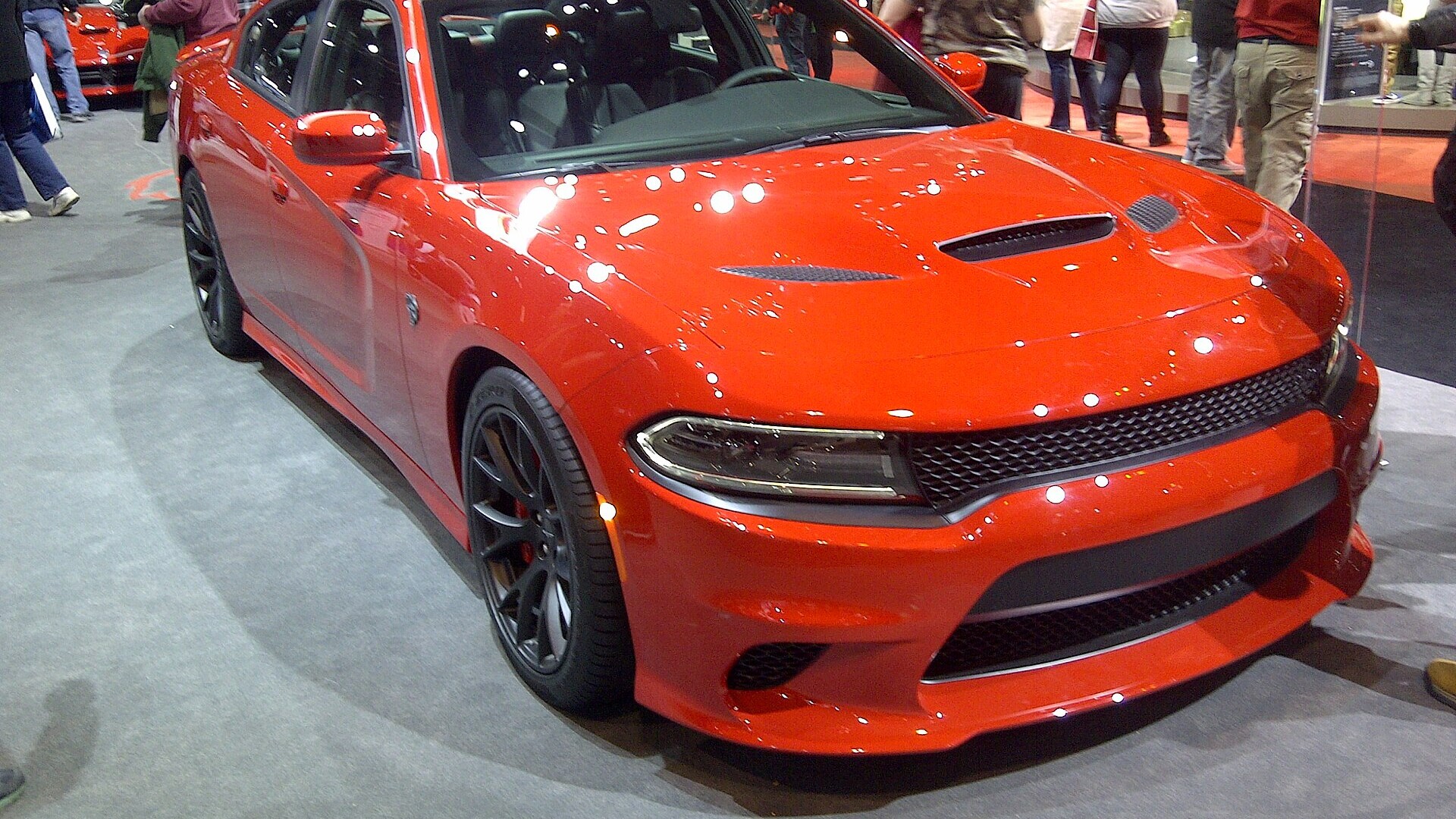
A Gwinnett County, Georgia, man who rents out his lime green 2023 Dodge Charger Hellcat on Turo says he found the car abandoned in a southwest Atlanta parking lot after a rental, with a wheel broken off, the suspension bent and the lower control arms broken off the car. He described the damage to WSB-TV in Atlanta, which reported his story this week.
A dealership service department put the repair bill at more than $27,000. The host told the station that Turo and its insurance are covering less than $5,000 of it, and that Turo told him the decision was final and “outside of our parameters.” The Hellcat, which he values at about $100,000, has been sitting at a repair shop for months while he keeps making the payments on it. He told WSB-TV he started his rental business with 11 cars and is down to seven.
Turo’s response to the station was that it reimbursed him in April for the damage it approved on that trip, that it is reviewing additional claims he filed against its policies and the documentation he provided, and that it will keep working with him directly. So the case is open. But the distance between a $27,000 estimate and a payment under $5,000 is far wider than any deductible Turo charges, and it comes from how Turo’s host protection is built: a reimbursement contract that Turo writes, interprets and pays, filling a gap that Georgia law leaves open.
Turo’s $750,000 policy protects other drivers, not the host’s car
WSB-TV noted that Turo advertises hundreds of thousands of dollars in liability coverage. The figure is real. Turo’s detailed terms for US hosts say every plan includes up to $750,000 in third-party liability insurance under a policy issued to Turo by Travelers Excess and Surplus Lines Company. That policy pays people the renter hurts and property the renter hits. Turo’s vehicle protection page states that it does not cover damage to the host’s own vehicle.
Damage to the host’s car falls under what Turo calls contractual reimbursement. Turo, not an insurance company, decides what it owes under its own terms of service. For trips booked since Jan. 7, 2026, US hosts pick one of three plans:
- More peace of mind: the host keeps 70% of the trip price and covers the first $250 of physical damage.
- Balanced: the host keeps 80% and covers the first $1,500.
- More earnings: the host keeps 90% and covers the first $2,750.
Above that amount, Turo reimburses eligible repairs up to the car’s actual cash value or $200,000, whichever is less. Neither WSB-TV’s report nor Turo’s statement says which plan this host used or when the trip was booked, and trips booked before Jan. 7 fall under an older set of plans. On the current plans, though, the math is simple. If Turo had approved the full $27,000 estimate, the host’s share would top out at $2,750 on the most expensive plan, leaving Turo owing about $24,250. He says he got less than $5,000. The gap is in what Turo approved, not in his deductible.
How Turo’s terms can shrink a dealership estimate
Turo has not said publicly why it approved less than the shop quoted. I read its host terms, and they give the company several ways to pay less than a repair estimate.
The first is the line between damage and mechanical failure. Turo defines mechanical failure as wear or breakdown of mechanical parts, and the definition names the suspension, along with the engine, transmission and electrical system. Damage from wear and tear, a manufacturer defect or poor maintenance falls on that side. The same definition says damage caused by a guest’s negligence, deliberate acts or intentional misuse is not mechanical failure. A snapped control arm can land on either side of that line. If Turo treats it as impact damage from the trip, it is eligible. If Turo treats it as a part that wore out and broke, it is not.
Which side it lands on depends on evidence, and Turo’s evidence rules are strict. Pre-trip photos must be taken no more than 24 hours before the trip starts and uploaded within 24 hours after it begins. Post-trip photos are due within 24 hours after the trip ends, and photos without date, time and location metadata are considered invalid. Turo’s terms do say a host won’t be disqualified for missing post-trip photos when the car wasn’t in the host’s possession, as with a car found abandoned, and that Turo may weigh a police report or other third-party report instead.
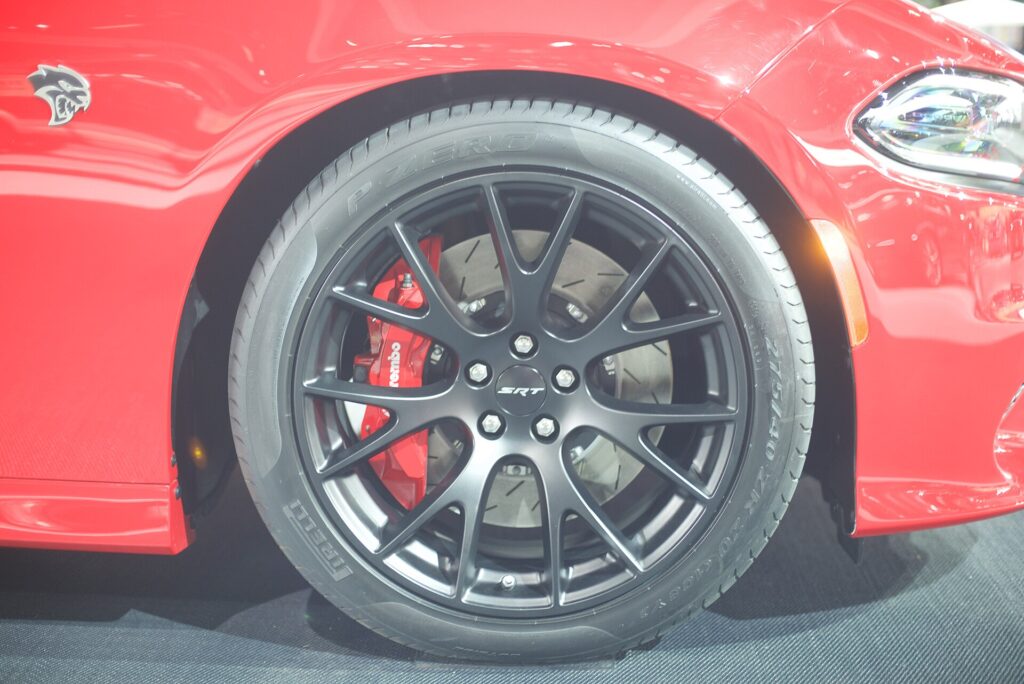
The second is labor. Turo pays what its terms call necessary repair costs, figured from standard labor times in industry estimating tools and prevailing local labor rates. If the host’s chosen shop charges more than that, the terms make the difference the host’s responsibility. Where Turo has a preferred vendor for a repair, it pays no more than that vendor’s price. Since Aug. 18, 2026, Turo also refuses to reimburse repairs done at shops on its list of ineligible facilities. A dealership’s estimate is the shop’s number, not Turo’s.
The third is everything the plans leave out. No US plan pays for lost hosting income, so the months this Hellcat has spent at a shop instead of on rentals are his loss under every plan. No plan pays for the drop in resale value of a car that has had a wheel ripped off and been repaired. And Turo’s terms reserve to the company sole discretion over whether to pay repair costs or the car’s actual cash value.
Georgia law requires coverage for third parties, not the host’s car
Georgia regulates Turo under the Georgia Peer-to-Peer Car-Sharing Program Act, which the legislature passed as House Bill 337 and the governor signed in 2020. Under O.C.G.A. § 40-1-221, a platform must take on the owner’s liability for bodily injury and property damage to third parties, plus uninsured and underinsured motorist losses, during the rental. The statute says nothing about the owner’s own car. A separate section, § 40-1-227, gives the platform an insurable interest in the car during the rental and allows it to buy coverage for damage to the vehicle without requiring it to.
The host’s personal policy doesn’t fill the hole either. Section 40-1-223 of the same act lets an owner’s auto insurer exclude coverage while the car is out on a car-sharing trip. That leaves Turo’s contract as the only protection most hosts have for their own cars during a rental, and Turo sets its terms.
Georgia lawmakers have already drafted a fix. House Bill 1463, filed Feb. 25, 2026, by Reps. Bruce Williamson, Brian Prince, Chas Cannon and Alan Powell, would add damage to the owner’s vehicle to the liabilities a platform must assume under § 40-1-221. It would also require the platform to carry a policy from an insurer admitted or authorized in Georgia covering collision and comprehensive damage to the shared car during the rental. The bill was read a second time on March 3 and sent to the House Regulated Industries Committee. The legislature’s record shows no action after that, and the 2026 session ended without a vote. Any version would have to be refiled when the General Assembly returns in January.
Louisiana’s version would have let Turo’s contract count as coverage
Louisiana took up the same idea this year. House Bill 625, by Rep. Edmond Jordan, was filed to require car-sharing platforms to maintain physical damage coverage on shared vehicles. On May 6, 2026, the House Insurance Committee adopted amendments that made the insurance requirement apply only when a platform does not offer a non-insurance contractual physical damage protection package. Turo’s plans are that kind of package. Even the amended bill stalled, and the legislature lists its status as subject to call for House final passage.
Two states looked at the same gap this year. Georgia’s bill never got a committee vote. Louisiana’s was rewritten so that a reimbursement contract like Turo’s would satisfy it, which would have left a host in this position with the terms he has now. Hosts carry the other risks of a rental, too, from a Bronco that came back with its tracking cut off and 600-plus extra miles to a Hellcat missing a wheel.
What happens next for the Gwinnett County Hellcat
The next decision is Turo’s. The company told WSB-TV it is reviewing the additional claims, and under its terms, what counts as eligible damage and what counts as a reasonable repair cost are its calls to make. Until it decides, the car sits, the loan payments continue, and the lost rental income is not reimbursable under any plan. The host told the station he still lists his cars on Turo, and he warned others not to assume a car on the platform will make easy money.
For any host weighing a performance car on a sharing platform, the documents point to a few specific checks: the damage responsibility on the chosen plan, how the platform separates impact damage from mechanical failure, whether the repair shop is on its ineligible list before any work starts, photo deadlines and metadata, and whether the car’s payments can survive months with no rental income. Georgia’s General Assembly reconvenes in January, and whether anyone refiles HB 1463 will decide whether the state’s answer changes.
Hosts: in Georgia, your own auto insurer is allowed to exclude coverage while the car is out on a trip, which leaves Turo’s contract as the only thing behind your car. Knowing that, would you still list a $100,000 car? If you’ve been through a big Turo claim, how close did the payout come to the shop’s estimate?