
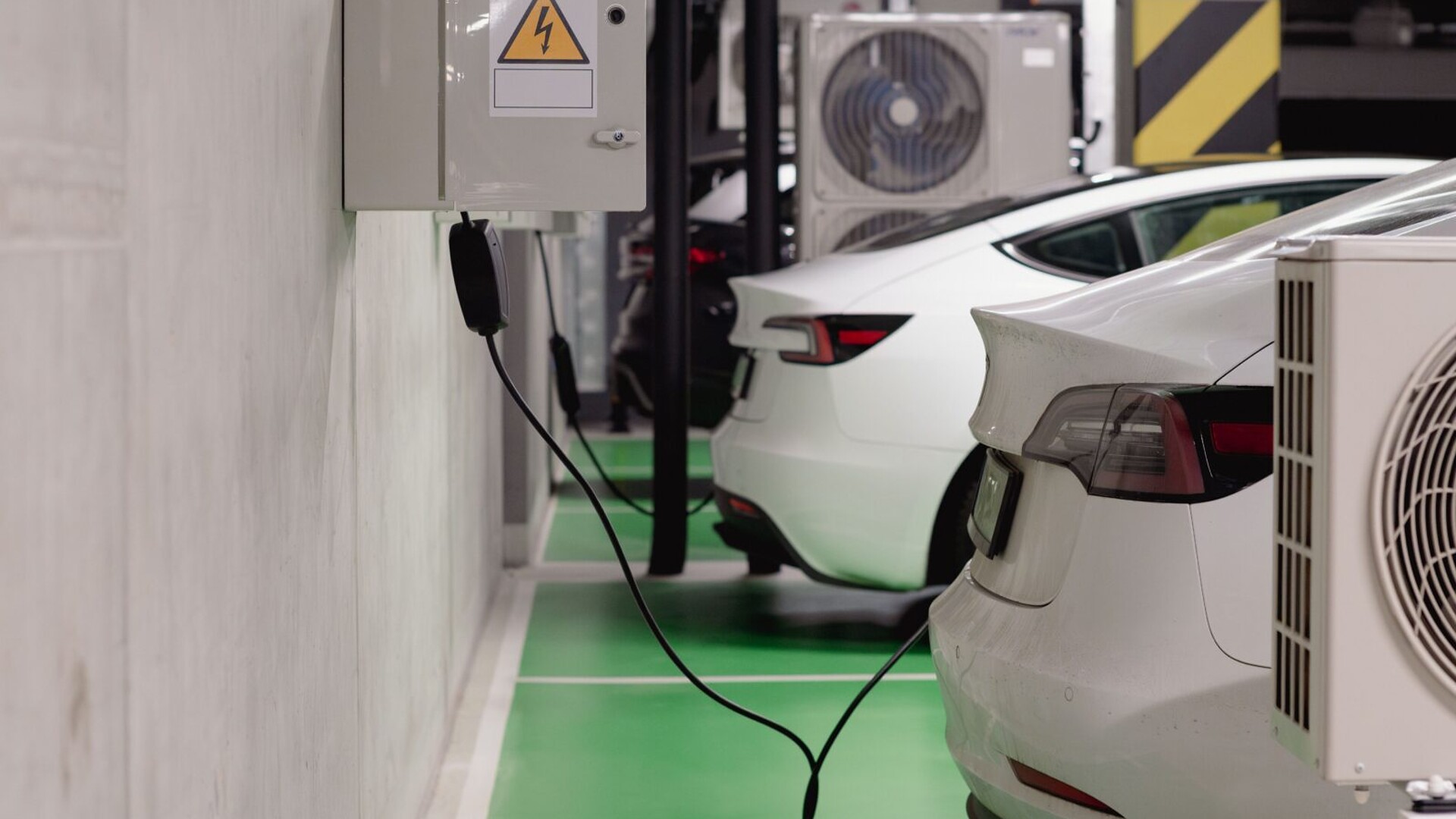
Japan’s national EV purchase subsidy, the closest thing the country has to the $7,500 U.S. credit Congress ended last year, stopped taking applications at 5:15 p.m. on Friday, Nov. 20, with about ¥930 million (roughly $5.9 million) still unspent. The program, run for the Ministry of Economy, Trade and Industry in Tokyo, paid up to ¥1.3 million, about $8,300, toward a new electric car. The office that administers it decided the leftover money would not survive the next business day.
That office, the Next Generation Vehicle Promotion Center, said in its Nov. 20 closure notice that after it tallied the applications that arrived that day, the balance stood at about ¥930 million, and that applications arriving through Tuesday, Nov. 24, would likely exceed it. Monday, Nov. 23, was a national holiday, so Tuesday was the next day new paperwork would land. Applications that arrive after the cutoff are rejected, and the center says it will mail those applicants a formal notice that their filing was not accepted.
How a ¥110 Billion Fund Drained in November
The money came from Japan’s fiscal 2025 supplementary budget, which set aside ¥110 billion, about $700 million at current exchange rates, for what METI calls the Clean Energy Vehicle, or CEV, subsidy. Applications opened March 31, 2026, and the program’s final filing deadline was Feb. 12, 2027. It never got close.
The center’s own notices trace the slide. In September and again on Oct. 9, it projected that applications would close sometime in December. On Nov. 11 it moved that to late November or early December. On Nov. 17 it reported about ¥12.1 billion left as of Nov. 16 and a closing window of Nov. 20 to Nov. 30. By Nov. 19, the balance was about ¥6.6 billion.
The applications that arrived on Friday, Nov. 20, took the balance from about ¥6.6 billion to about ¥930 million, roughly ¥5.7 billion in a single day. If every one of those claims had been for the full ¥1.3 million, that would still be more than 4,300 cars. Many were smaller: METI caps kei-car EVs such as the Nissan Sakura at ¥580,000, so the real number of buyers was higher. That count is my arithmetic from the center’s published balances, not a figure the center released.
The Subsidy Follows the Registration Date and the Mail
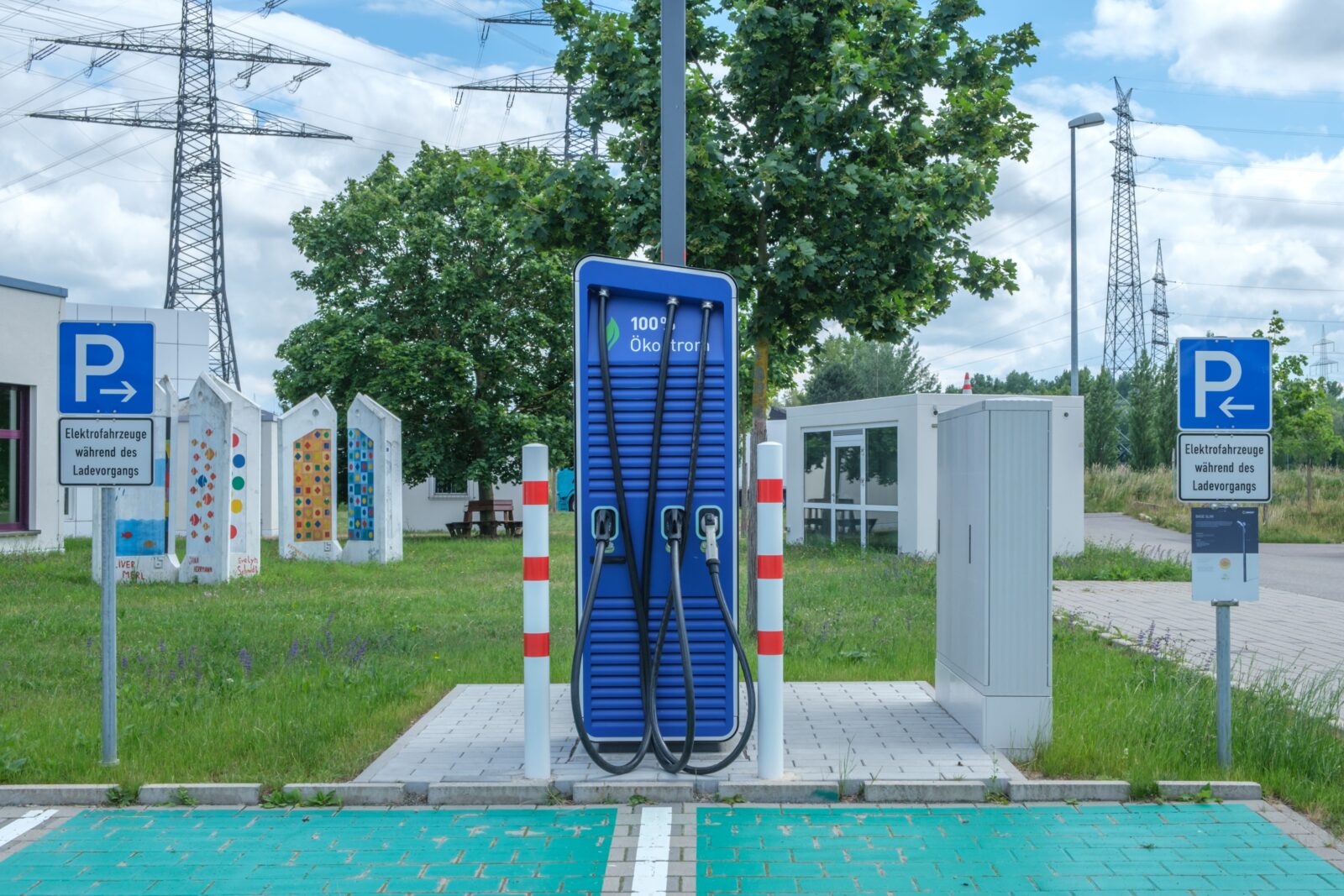
The amount a buyer gets, and whether they get anything, turns on the date the car is first registered with the government as a new vehicle. METI applies each rate change to cars by registration date, and the center accepts applications in the order they physically arrive. Its Nov. 20 budget notice said that once the budget is reached, late applications are rejected regardless of the car’s registration date or when the paperwork was mailed.
The same notice flagged trade-ins. A buyer can’t file until the dealer has taken in the old car, and if the trade-in paperwork shows a scheduled intake date after the cutoff, the application is rejected. It also warned that cars registered after the three-day holiday weekend carried the highest risk. Every one of those variables, from the dealer’s registration schedule to the trade-in date to the post, sits outside the buyer’s control.
A Raise in January 2026, Then a Cut Scheduled for January 2027
This year’s subsidy was unusually rich because of trade talks with Washington. In a METI document on the cap changes, the ministry said it rewrote the ceilings after the U.S.-Japan tariff agreement to even out competitive conditions between vehicle types. For cars registered from Jan. 1, 2026, the EV ceiling rose from ¥900,000 to ¥1.3 million: a base amount of up to ¥1.25 million plus up to ¥50,000 for automakers’ use of lower-carbon steel. Plug-in hybrids went from ¥600,000 to ¥850,000. Fuel-cell cars fell from ¥2.55 million to ¥1.5 million, starting with fiscal 2026 registrations.
On Oct. 21, METI announced the other half. Because applications were running hot and the money looked likely to run out before the Feb. 12, 2027 deadline, it cut the amounts for cars registered on or after Jan. 1, 2027. The top EV base amount drops from ¥1.25 million to ¥750,000, kei EVs from ¥550,000 to ¥440,000, plug-in hybrids from ¥800,000 to ¥480,000 and fuel-cell cars from ¥1.45 million to ¥870,000. The ministry said the goal was to keep the subsidy going as long as possible within the existing budget.
Announcing a 40% cut ten weeks ahead gave every undecided buyer a reason to get a car registered before New Year’s Day. The center’s closing forecast moved earlier twice after Oct. 21, and the fund didn’t reach December. The lower 2027 rates, meant to stretch the money into the new year, now apply to a pot that is empty unless the government refills it.
Japan Has Left Buyers in This Gap Before
The closure notice points to 2018. That year’s subsidy stopped with applications that arrived Dec. 17, 2018. The following program covered cars registered from Jan. 1, 2019, after the cabinet approved its budget. Cars registered from Dec. 18 to Dec. 31, and earlier cars whose applications missed the cutoff, got nothing. The center added that 2018 is a past example, not a decision, and that nothing has been settled about fiscal 2027.
The two most recent gaps were bridged. When buyers missed the final deadline for the fiscal 2023 money, METI made cars registered from Dec. 17, 2024, eligible under the next supplementary budget. Last year, the fiscal 2025 supplementary budget passed the Diet on Dec. 16, 2025, and METI extended eligibility to cars registered from that date. Both rescues came through a new supplementary budget. As of the Nov. 20 notice, no new CEV money had been announced.
How the U.S. Ended Its $7,500 Credit, by Comparison
Washington ended its incentive on purpose. Nobody had to watch a balance tick down. The One Big Beautiful Bill Act, Public Law 119-21, signed July 4, 2025, ended the Section 30D new clean vehicle credit, along with the used and commercial credits, for vehicles acquired after Sept. 30, 2025. The IRS said a buyer had acquired a car if a written binding contract was in place and a payment had been made by that date, even if delivery came later.
That was a blunt policy choice, but buyers could plan around it: a deadline set nearly three months out and a test built on the contract and the payment, both things the buyer controls. Japan still says it wants electrified vehicles, a category that includes hybrids, to make up all new passenger-car sales by 2035, and it keeps paying for the subsidy. But the money arrives in fixed lumps, the cutoff is set by how fast everyone else files, and the date that counts is the one the dealer registers. A U.S. buyer who signed and paid on Sept. 30, 2025, kept the credit. A Japanese buyer who signed in October and registered after the long weekend has no promise of a yen. U.S. shoppers, meanwhile, have drifted toward hybrids, which hit a record share of sales as gas prices climbed.
What Happens Next for Japanese Buyers
The center says applicants can check its online review-status screen. A filing that arrived and was accepted by Nov. 20 shows as under review. Anything that arrived Nov. 24 or later shows no record. The subsidy is paid only after the center approves an application, so a dealer quote that subtracted ¥1.3 million from the sticker was counting on money the program never guaranteed.
Cars registered after Nov. 20 now depend on whether the government puts CEV money into a new supplementary budget and, if it does, which registration date it picks as the start. If METI keeps the schedule it announced Oct. 21, anything registered in 2027 would be paid at the lower rates, so the most an EV buyer could expect would fall from ¥1.3 million to about ¥780,000 with the steel bonus.
Have you ever signed for a car counting on an incentive that evaporated before the paperwork cleared? What did it end up costing you?