
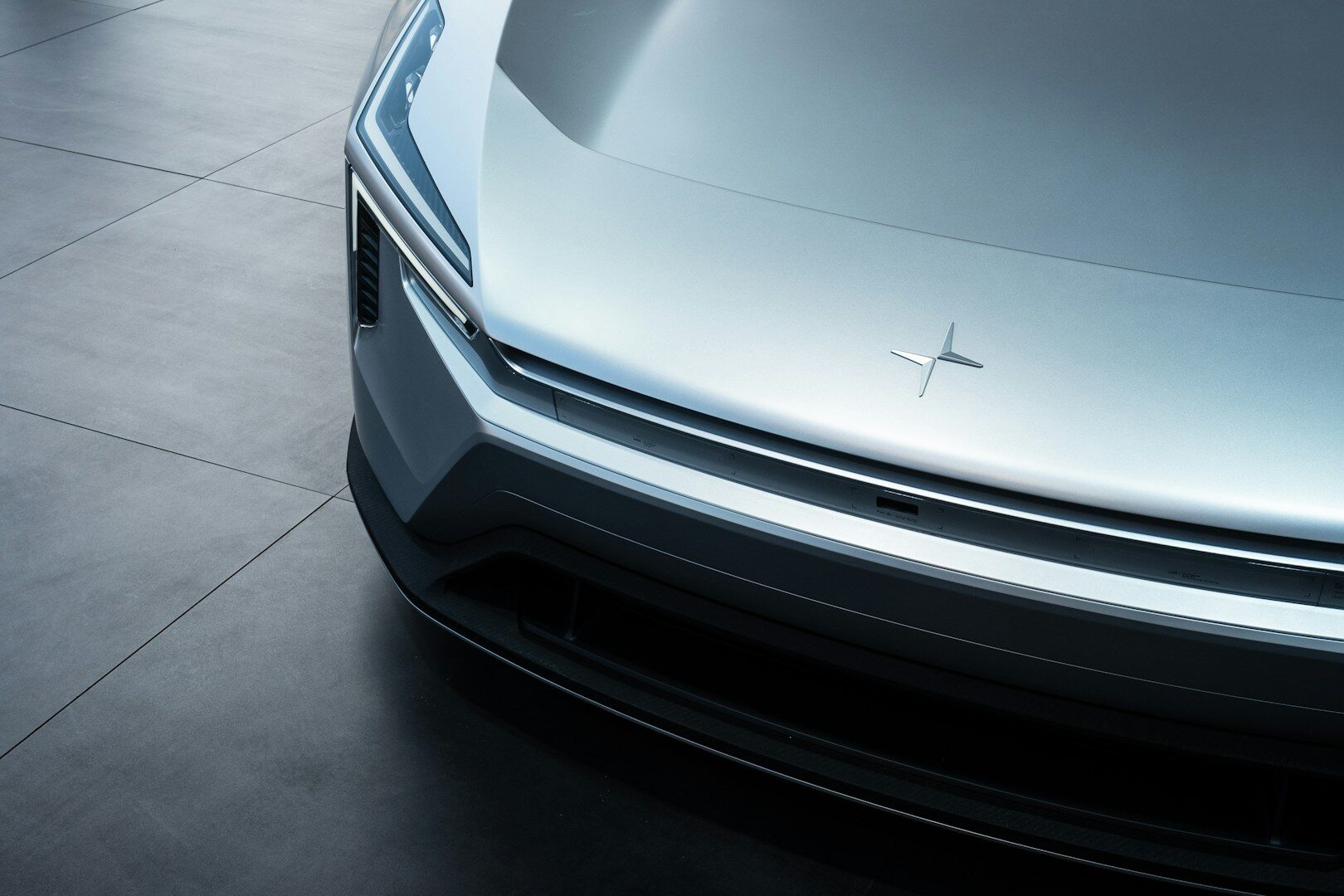
Well, this stinks. The U.S. government has effectively shown Polestar the door, blocking the Swedish-by-way-of-China EV maker from selling any new cars here after the 2027 model year. The culprit isn’t a safety recall, a battery fire, or some catastrophic build-quality meltdown. It’s paperwork. Specifically, it’s the Connected Vehicle Rule, and Polestar just became its highest-profile casualty.
The Rule That Ended Polestar’s U.S. Future
Here’s the deal. The rule cracks down on cars with connected hardware and software tied to companies in China and Russia, citing national-security worries about all the data modern cars hoover up and beam home. And Polestar, for all its minimalist Scandinavian design language and tasteful matte paint options, is owned by Geely. Which is Chinese. You can probably see where this is going.
So that’s it. After 2027, no new Polestars for the U.S. market. The brand that finally started building momentum with the genuinely good-looking Polestar 3 SUV and the swoopy 4 — the one that controversially deleted its rear window like it was a feature — gets benched not for anything it did wrong, but for who signs its checks.
What Happens to the Cars Already Here
There is a small mercy here. The existing 3 and 4 inventory already sitting on dealer lots and in the pipeline gets to stick around. Those cars stay on sale until the stock runs dry, so if you’ve had your eye on one, the window isn’t slammed shut just yet. You’ve got until they sell the last one, and then the lights go off.
It’s a brutal outcome for a brand that was just hitting its stride, and a reminder that in 2026 the most dangerous thing under the hood isn’t the powertrain — it’s the modem. Geopolitics, it turns out, doesn’t care how nice your interior is.
If You Already Own One, Nothing Changes Today
If there’s a Polestar 3 or 4 already in your driveway, nothing changes overnight. The rule targets future sales, not vehicles already on the road, so existing owners should still get software updates, warranty coverage, and service support for the foreseeable future.
The bigger question is what happens years down the line if Polestar’s U.S. footprint shrinks along with its dealer and service network. A brand that can no longer sell new cars here has a lot less incentive to keep investing in American parts supply, service infrastructure, and charging partnerships, and that tends to show up eventually in resale values and ownership costs, even if the car in your garage keeps running exactly as it did the day you bought it.
Polestar Probably Won’t Be the Last
The Connected Vehicle Rule was written broadly on purpose. It targets the software and hardware that let a car talk to the outside world, not any one company’s badge, and it phases in restrictions on that connected tech first, with hardware restrictions following a couple of model years later. That means any automaker with meaningful Chinese ownership, Chinese-sourced telematics hardware, or Chinese-developed connectivity software is staring at the same calendar Polestar is. Polestar is simply the first big, obvious casualty because its ownership structure made it an easy target. It likely won’t be the only one before this rule finishes playing out.