
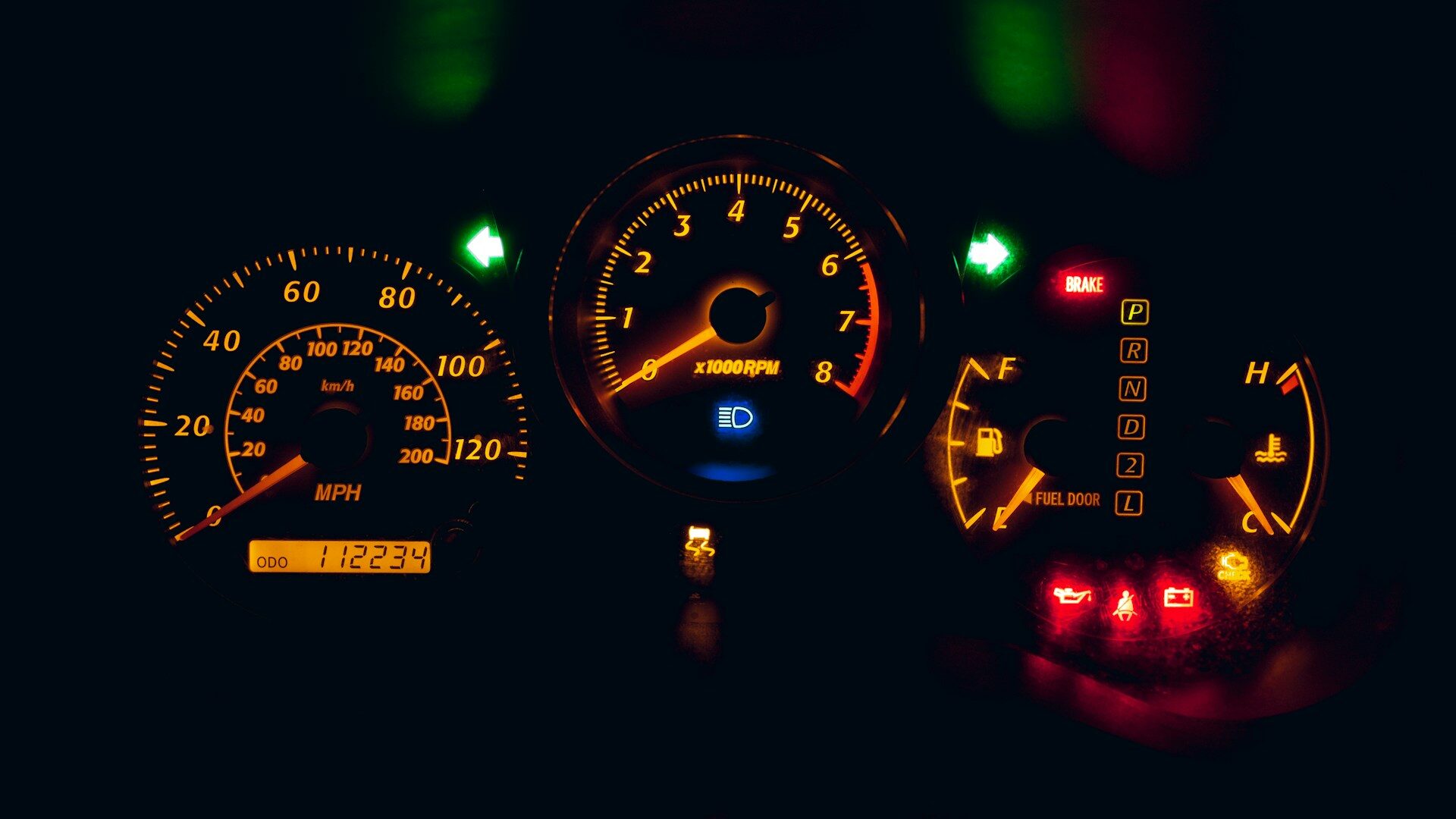
A Gwinnett County car broker is accused of rolling back odometers on vehicles he resold to unsuspecting buyers. When a detective finally caught up with him, the charge on the warrant was a misdemeanor. Until a few weeks ago, lying about how far a car had driven carried roughly the same legal weight in Georgia as a fishing violation.
That changed on July 1, when Senate Bill 293 made odometer tampering a felony in Georgia, with steeper civil penalties and real prison exposure attached. Credit for the fix belongs to an Atlanta News First investigation that tracked a rolled-back Honda Ridgeline from a Facebook Marketplace listing to a bowling alley parking lot, and eventually to a broker who told at least one customer that inflated mileage was simply something buyers found out about after the sale.
That’s a good story. It is not, however, the interesting one.
A Federal Felony With No Local Teeth
Odometer fraud has been a federal crime for decades. The National Highway Traffic Safety Administration runs a standalone Office of Odometer Fraud Investigation, with regional agents covering the Northeast, Southeast, Midwest and West whose entire job is chasing rollback schemes. By the agency’s own accounting, that office’s casework has produced more than 250 criminal convictions across more than 30 states, prison sentences as long as ten years, and multimillion-dollar restitution orders.
None of that mattered much to a broker moving one truck at a time out of a bowling alley parking lot. Federal odometer investigators build interstate cases involving multiple states, wholesalers, and thousands of vehicles. They were never going to open a file over a single Honda Ridgeline. That kind of case lives or dies with the local county district attorney, and until July 1, the local DA in Georgia had a misdemeanor to work with. A misdemeanor citation is a weak deterrent for someone whose business model depends entirely on the spread between the real mileage and the advertised one.
This is the part the celebration around SB 293 tends to skip. Georgia didn’t invent a new crime. It gave prosecutors a tool that finally matched the one Washington had already written thirty years earlier. For buyers like Shadaja Johnson, the first-time car buyer at the center of the original investigation, the federal felony was mostly theoretical. Her leverage came from a refund demand, not a criminal case, and the broker who sold her the truck simply relisted it at the same rolled-back mileage.
How a Veterans’ Plate Bill Became a DMV Overhaul
Search Georgia’s legislative record for Senate Bill 293 and the first line describes something else entirely: a bill to increase the number of free license plates issued to disabled veterans. That’s what it was when it passed the Senate 56 to 0 in March 2025. It then sat in the House Motor Vehicles Committee for over a year, got recommitted twice, and emerged in March 2026 as a sweeping rewrite of Title 40 covering dealer license plates, temporary operating permits, certificate-of-title penalties, unregistered-vehicle permits, and, buried well past the halfway point of the final text, the odometer statute itself.
State Rep. John Corbett, who chairs that committee, has said the odometer issue wasn’t on his radar until Atlanta News First’s reporting surfaced it. What his committee did next is a pretty ordinary way state vehicle-code fixes actually happen. Rather than write a standalone odometer bill and run it through its own committee gauntlet, Corbett attached the fix to a vehicle-related bill that was already moving. The veterans’ plate provision survived intact. So did a dozen other unrelated corrections to Georgia’s motor vehicle code, all riding along on a bill whose original title never once mentions odometers.
If you only read the press coverage, you’d assume Georgia stood up a dedicated task force to fight mileage fraud. What actually happened is closer to a legislative hitchhike, and it’s worth remembering the next time a state claims to be cracking down on something. The fix that matters and the bill that carries it are often only distantly related.
The Odometer Stopped Being the Crime Scene
Here’s the detail that should bother anyone who owns a car: the Ridgeline case wasn’t cracked by someone examining the odometer. It was cracked by an emissions test. A mechanic pulled a vehicle history report, which cross-referenced a mileage figure logged during a routine emissions inspection, and that number was nearly double what the seller had advertised on Facebook.
NHTSA’s own guidance explains why that had to be the method. Digital odometers, the agency notes, are harder to catch mid-tamper than the old mechanical rolling-drum kind, because there are no stripped screws, mismatched dashboard fonts, or telltale gaps to spot on inspection. A rollback today usually means plugging a device into the OBD-II port and rewriting a number in software, a job that takes minutes and leaves no physical evidence behind. The crime moved from the dashboard into the firmware, and detection moved with it, from a visual inspection to a paper trail assembled from inspection stickers, emissions data, and title records. We’ve seen the high end of that same trust problem play out with a widebody Lamborghini Murciélago whose mileage claims raised more questions than the paperwork could answer, proving the issue isn’t limited to budget trucks bought off Facebook.
That shift is also why a federal disclosure rule NHTSA administers has a blind spot that matters more than it used to. Mileage disclosure on a title transfer isn’t required at all for vehicles that are model-year 2010 or older, or twenty years old or older, regardless of how many miles are actually on them. That’s precisely the segment of the market, older, cheaper, higher-mileage, where first-time buyers like Johnson shop, because it’s what they can afford. The federal paper trail that vehicle history services depend on gets thinner exactly where the incentive to roll back a number is highest.
The Real Fix Isn’t the Felony Charge
Buried in the same section that upgraded the crime is a change that got far less attention than it deserved. Georgia’s civil liability formula for odometer fraud, the part that lets a victim sue for treble damages, had its floor raised from $1,500 to $10,000. That’s not a criminal fine, and it isn’t quite the penalty structure suggested by early coverage of the bill. It’s a private lawsuit remedy: three times a buyer’s actual damages, or $10,000, whichever is greater. For someone like Johnson, who only got her money back because her mother pushed a seller for a refund, that’s a meaningfully larger stick than what existed before.
SB 293 also handed Georgia’s Department of Revenue two new investigator positions and broader authority over independent used-car brokers, the loosely regulated, no-storefront operators who increasingly source inventory at auction and sell it through Facebook Marketplace rather than off a dealer lot. That’s the part of this story with legs. As more used-car volume moves through platforms that were never built for vehicle sales, the gap between how tightly a franchised dealer is regulated and how loosely an independent broker is regulated becomes the thing worth watching in every state, not just Georgia. It’s the same dynamic behind a Salt Lake City operation calling itself The Good Car Dealer, accused of forging paperwork to sell hail-wrecked cars as clean: brokers making an end run around disclosure law because getting caught was cheaper than the profit from getting away with it.
Corbett put the stakes plainly, noting that for most people a car is “the second largest purchase that someone makes.” He’s right, and it’s exactly why the mechanics of this fix matter more than the headline. Georgia didn’t close a loophole in one law. It quietly admitted that a federal felony sitting on the books for thirty years was never going to protect a truck buyer in Peachtree Corners without a state charge to back it up.
An odometer used to be a crime scene you could examine with your own eyes. Now it’s a paper trail, and the law just caught up to that fact a little late. If you’re shopping for a used car this year, especially anything old enough to fall outside federal disclosure rules, treat the inspection sticker and the service records as more trustworthy than the number on the dash. For more on how paperwork, not gut instinct, is what actually catches these schemes, see our breakdown of other staged and title-based fraud tactics buyers should know before signing anything.