
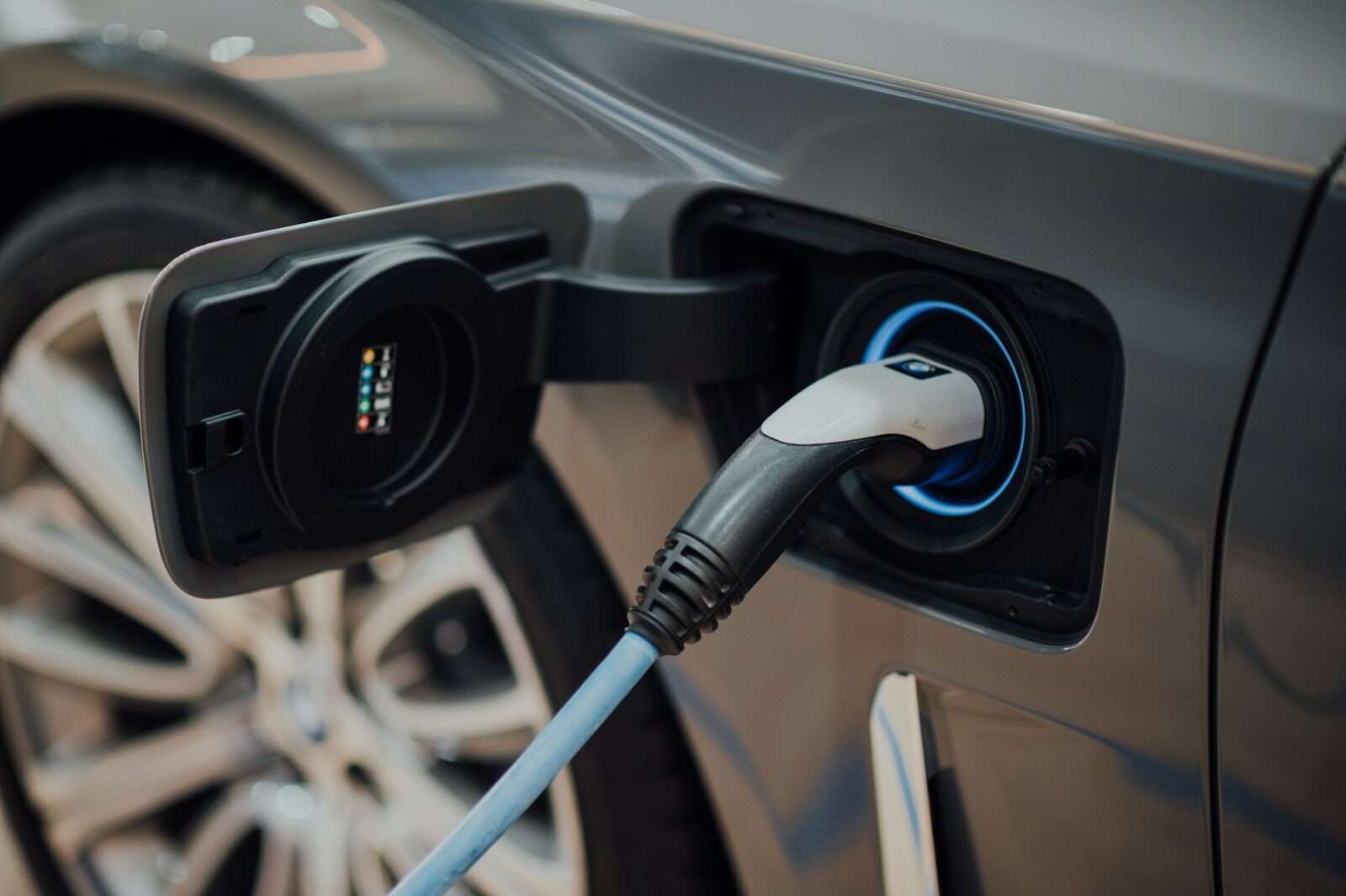
Charging electric vehicle owners more to help fund highways is quickly becoming one of the most contentious automotive policy fights in Washington. A proposed federal fee targeting EVs and hybrids could reshape how road infrastructure gets funded, and drivers are squarely in the middle of it.
The debate centers on a simple but loaded question: if EV drivers aren’t paying gas taxes, should they be paying more somewhere else? Lawmakers now appear ready to answer that with new annual fees that could directly affect ownership costs, dealership pricing, and the broader trajectory of the car market.
What’s on the Table, and Who’s Proposing It
Representative Sam Graves, who chairs the House Transportation and Infrastructure Committee, is preparing to introduce a plan that would charge electric vehicle owners a $250 annual fee and hybrid owners $100. The proposal is expected to be folded into a larger multi-year surface transportation bill set for introduction in early April.
This isn’t the first time the idea has surfaced. Similar proposals came up last year without making it into major legislation, and earlier in 2025 some senators pushed an even more aggressive version, a $1,000 tax on EVs earmarked for road repairs. Timing is part of what’s driving urgency now: the current five-year transportation law expires at the end of September, and election-year politics are adding another layer of uncertainty to how this ultimately shakes out.
Why EVs Are Suddenly Part of the Funding Conversation
The core issue comes down to how road infrastructure gets paid for. For decades, federal highway funding has leaned heavily on gasoline and diesel taxes collected at the pump. Electric vehicles don’t use fuel, so they don’t feed that revenue stream the same way, and as EV adoption grows, that creates a widening funding gap.
To cover that gap so far, the federal government has shifted more than $275 billion from general funds since 2008, including a substantial chunk tied to the 2021 infrastructure law. That’s kept projects moving, but it isn’t viewed as a permanent fix, which is pushing lawmakers to look for a more direct way to bring EV owners into the funding system.
Both Sides of the Fairness Argument
Supporters of the proposed fees argue that every driver should contribute to maintaining the roads they use, regardless of what powers their vehicle, framing the fee as a balancing measure rather than a penalty. Critics, including several advocacy groups, argue that a $250 annual fee is disproportionately high compared to what gas-powered vehicle owners pay annually in federal fuel taxes, with estimates suggesting the average gas vehicle contributes considerably less through those taxes each year.
That gap is the crux of the disagreement. It isn’t only about whether EV owners should contribute, it’s about how much is actually fair, and whether the fee unintentionally discourages EV adoption at a moment when the broader industry is still pushing toward electrification.
What It Could Mean for Buyers and Dealers
For anyone shopping for an EV, this proposal adds a new line item to the ownership math. A $250 annual fee doesn’t sound dramatic in isolation, but stacked with other ownership costs, it shifts the long-term calculation buyers run before signing. Dealerships are already bracing for that conversation, since pricing strategy, inventory planning, and customer expectations could all shift depending on how the policy lands. If the fee goes through, sales teams will need to walk buyers through the added regulatory cost alongside the usual ownership pitch, and the proposed $100 hybrid fee creates a similar, smaller wrinkle for that segment of buyers.
The Bigger Policy Shift Behind This Proposal
This isn’t happening in isolation. It follows the earlier elimination of the $7,500 EV tax credit, another signal that federal policy is moving away from encouraging EV adoption and toward figuring out how to sustain infrastructure funding as the vehicle mix on the road keeps changing. Several states have already rolled out their own EV fees, creating a patchwork of costs across the country, and a federal fee would stack on top of that, potentially increasing the total burden on EV owners depending on where they live.
Who Stands to Gain, and Who Feels It
The clearest beneficiary of a new fee structure is the federal highway system itself, which needs steady funding as fuel tax revenue keeps shrinking. The more immediate impact lands on drivers: EV owners would see higher annual costs, hybrid owners a smaller but still noticeable bump, while gas-powered vehicle owners would keep contributing through the existing fuel-tax structure. For automakers, the tension is real, since policies that raise the cost of EV ownership could slow adoption even as manufacturers keep investing heavily in electrification.
What Happens Next
With the transportation bill expected soon and a September deadline looming, the next few months matter a great deal. Negotiations, political pressure, and election-year dynamics will all shape the final outcome, and there’s no guarantee the fees survive in their current form. What is clear is that lawmakers are actively looking for a way to bring EVs into the highway-funding equation, and that conversation isn’t going away regardless of how this specific bill turns out.
For drivers, the larger takeaway is what this signals about the road ahead: as the cost of owning certain vehicles becomes more directly tied to policy decisions, the calculation buyers run before a purchase starts to look a lot different than it did just a few years ago.