
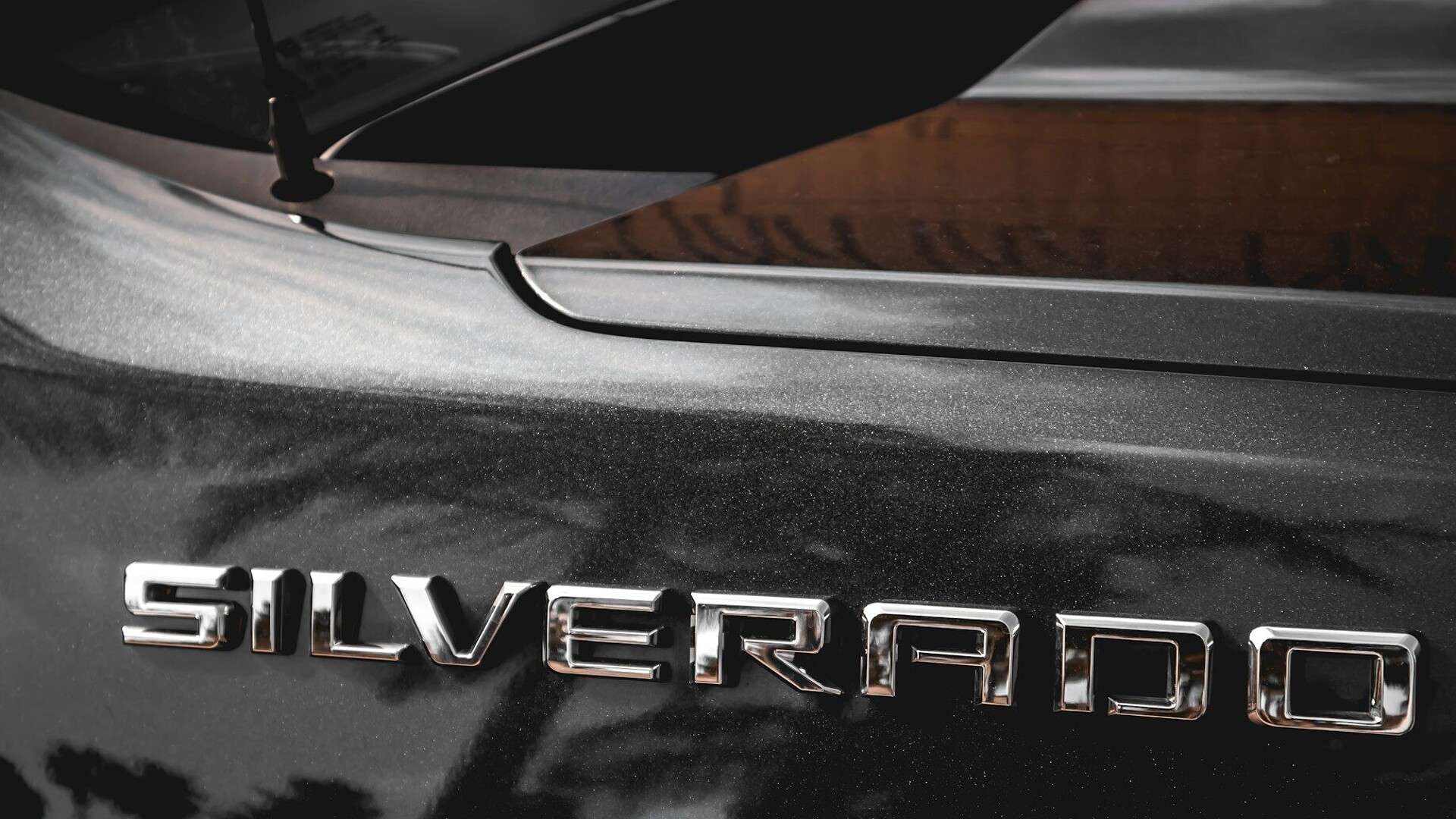
For a few years, Oshawa Assembly could claim something no other GM truck plant in North America could: it built the light-duty Silverado 1500 and the heavy-duty Silverado HD on the same production line. That ends in November. GM has confirmed the 1500’s exit from the Ontario plant and says it will make up the lost volume by building more HD trucks there.
From “no scale-back” to “no more half-tons”
Four months ago, GM Canada’s message was very different. In June, communications chief Jennifer Wright said flatly, “There is no planned production scale-back at Oshawa Assembly,” and that current employment and shift structure “are expected to be retained” when the plant moves to next-generation trucks. She also admitted that build locations for the next light-duty Silverado had “not been disclosed.”
Related Articles
- CarMax Now Makes $111 Less on Each Car and $116 More on Everything Sold With It
- Iowa Lawyer Gets Prison for Telling Medicaid the Rolls-Royce He’d Crashed Was Worth $194,000
Read those two statements side by side. GM never actually promised Oshawa would keep the 1500. It promised to keep jobs and trucks. The company now says headcount should hold steady because HD output will rise to fill the gap. Whether that holds up depends on how many 2500s and 3500s buyers actually purchase, and HD demand has a ceiling that half-ton demand doesn’t.
Why heavy duty, and why now
The tariffs explain most of it. The U.S. Section 232 proclamation put a 25 percent tariff on imported vehicles. USMCA-qualifying trucks pay that rate only on their non-U.S. content, which softens the hit but doesn’t remove it. A Canadian-built half-ton competes directly with identical trucks from U.S. plants that pay nothing. Moving the high-volume, thin-margin 1500 south is basic arithmetic for GM.
Heavy-duty trucks are different. They’re built in smaller numbers, they earn fatter profit per unit, and their buyers (contractors, fleet operators, people towing large trailers) care far more about payload ratings and delivery dates than about sticker price. A tariff cost is much easier to absorb on a well-optioned 3500 than on a fleet-spec 1500.
GM is also making a long-term commitment here. In the Unifor contract ratified in August, GM agreed to:
- C$144 million to add the next-generation GMC Sierra HD to Oshawa
- C$63 million in previously announced stamping and aftersales upgrades at the plant, now written into the agreement
- A plan to mitigate layoffs at Oshawa Assembly
Union members covered by that agreement approved it by 80.5 percent. Nobody spends nine figures on tooling for the Sierra HD at a plant they plan to close. Oshawa’s future is heavy duty, and soon it will build both of GM’s heavy-duty brands.
The mechanical reality of a mixed line
Building a half-ton and a three-quarter-ton on the same line was always tricky. The HD trucks use heavier frames, larger axles, stronger cooling systems, and different powertrain combinations. Every time a 1500 followed an HD down the line, workers had to switch to different parts, tools, and torque specs. Removing the 1500 makes the plant simpler: fewer part numbers on the floor, fewer changeovers, and a cleaner path to running the Silverado HD and Sierra HD side by side. Those two trucks share far more parts with each other than either shares with a 1500.
Related Articles
- GM Lost 41,028 EV Sales After the $7,500 Credit Died. Its Entire U.S. Drop Was 39,373.
- Connected Car Apps Are Leaking VINs to Big Tech Ad Networks
The weak spot is volume. Oshawa already lost a shift earlier this year. The next-generation HD trucks won’t arrive for a while, and the plant has to stay busy until they do.
What it means if you own, or want, a Silverado
- Check where your truck was built. Run your VIN through NHTSA’s VIN decoder, which shows the assembly plant. A VIN starting with “2” means the truck was built in Canada.
- Parts and service won’t change. Oshawa’s 1500s are the same trucks built at GM’s other plants, so warranty coverage and parts supply aren’t affected.
- Collector value is minimal. “Last Canadian-built half-ton” might be a fun conversation starter at Tim Hortons, but don’t expect it to boost resale. These trucks weren’t special editions.
- HD shoppers should benefit. More HD capacity at Oshawa should mean shorter waits for 2500s and 3500s, especially popular configurations that sometimes take months to order.
The bigger picture
Oshawa has nearly died before. GM ended vehicle assembly there in 2019, and then the 2020 Unifor deal brought trucks back. This change isn’t another closure. It’s the plant being reshaped to fit a North American trade map that now penalizes high-volume products built on the wrong side of the border. Heavy-duty trucks are a niche, but they’re profitable, and right now that’s the most dependable position a Canadian assembly plant can hold.