
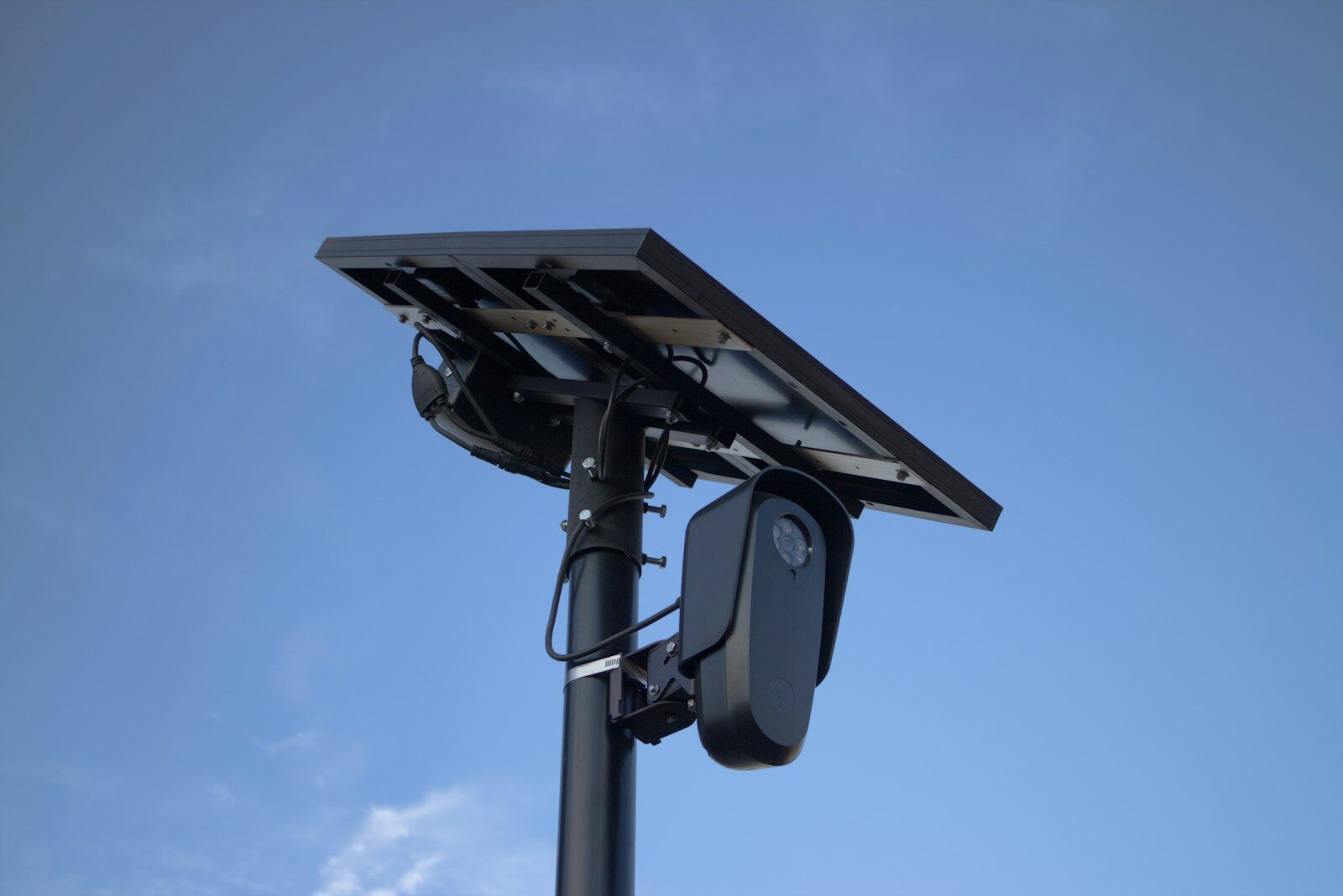
Flock Safety, the Atlanta-based startup that promises to help police solve crimes by tracking license plates, has quietly built a vast web of surveillance cameras across the United States. The company says its automated license-plate readers (ALPRs) help catch criminals and find stolen cars, but public records and court documents show a darker side: officers routinely use the system to stalk ex-partners, harass targets, or conduct searches far outside their jurisdiction.
A Pattern of Stalking, Case by Case
In Joplin, Missouri, an internal investigation uncovered that a single police officer ran one woman’s license plate nearly 400 times using the Flock system. Audit logs reviewed by activists showed the officer was responsible for about a quarter of the department’s searches and often entered generic reasons like “DWI” or “Warrants” without any case numbers. He was placed on leave and is no longer employed by the city.
10 Automotive Gadgets Worth Checking Out
A similar case unfolded in Milwaukee, Wisconsin, where prosecutors say officer Josue Ayala used the Flock system more than 170 times over a two-month period to track a woman he was dating and her former partner. Ayala resigned and pleaded not guilty to a misdemeanor misconduct charge. Civil-rights advocates point to the case as evidence of how easily the technology can be weaponized against the people it’s supposed to protect. In response, Milwaukee’s police department slashed the number of employees with Flock access, mandated training and user agreements, and instituted more detailed audits.
Other officers around the country have admitted to similar abuses. In Menasha, Wisconsin, officer Cristian Morales told investigators he acted out of desperation when he used Flock to check his ex-girlfriend’s license plate five times. Lee Nygaard, then police chief in Sedgwick, Kansas, used the cameras more than 200 times over four months to stalk his former partner and her new boyfriend; he lost his law-enforcement certification and was sentenced to 18 months of probation. In Orange City, Florida, officer Jarmarus Brown ran tags for three vehicles repeatedly over seven months, placed a GPS tracker in his former girlfriend’s wallet, and showed her footage from Flock cameras. Brown later admitted his conduct and was charged with stalking and improper computer access.
Keep reading: 10 Best Father’s Day Deals for Car Guys
Even police chiefs have abused the technology. In Braselton, Georgia, Chief Michael Steffman resigned and was arrested after women seeking protective orders accused him of using Flock cameras to follow them through neighborhoods and send them maps of their movements. And in Oak Ridge, Tennessee, former officer Zachary Gauthier was indicted on 23 counts of official misconduct, including 18 counts for misusing the Flock system for personal reasons.
When the Reach Goes Beyond One Jurisdiction
Flock markets its “national lookup” tool as a way to help officers track vehicles across jurisdictions, but critics say the feature makes abuse even easier. In Johnson County, Texas, a sheriff’s deputy used the national lookup to search more than 83,000 cameras nationwide in an effort to find a woman suspected of having a self-managed abortion. He logged “had an abortion, search for female” as his reason for the search, which reached into camera networks as far away as Washington State. After the case came to light, Flock added keyword filters to block searches containing “abortion” or “immigration,” and some jurisdictions shut down their national lookup access entirely. A bipartisan group of congressional representatives called the deputy’s search a “gross misuse of surveillance technology” and demanded answers from Flock.
The company’s system also allowed out-of-state agencies to tap local data for immigration enforcement. Investigations revealed that local police and even school police departments used Flock’s network to assist federal immigration authorities, prompting some city officials to question whether Flock could prevent outsiders from accessing their data. In Richmond, Virginia, a sergeant violated city policy by sending Flock images to an FBI agent investigating a Washington, D.C. homicide. Richmond’s rules prohibit sharing ALPR data with agencies outside the state, and the sergeant’s access was revoked after the misuse was discovered during a quarterly audit. Activists who oppose the city’s camera network warn that these violations show how easily outsiders can reach into local databases.
A Broader Pattern, and the Start of Pushback
Civil-rights organizations say the problem goes beyond individual bad actors. The Electronic Frontier Foundation analyzed millions of Flock searches across thousands of agencies and found hundreds of queries targeting political demonstrations, as well as searches that used slurs to target Romani people. These searches show that Flock data can be weaponized against protesters and minority communities.
Lawmakers in some states are starting to respond. Washington passed strict limits on ALPR use, restricting it to investigations of stolen vehicles, missing persons, and felony warrants, and banning cameras near health clinics, schools, and places of worship. Local governments are also reconsidering their contracts: municipalities such as Verona and Dane County have opted not to renew their Flock subscriptions after public outcry, while others are limiting access and increasing oversight.
Hacking Fears Add to the Oversight Problem
Adding to the controversy, security researchers have shown that some Flock cameras are vulnerable to simple hacks. In one demonstration, researchers bought a Flock device and discovered they could unlock stored footage by pressing a button on the camera three times and using a basic diagnostic tool. They warned that an abusive partner could exploit the flaw to monitor someone’s movements. Flock said the hack involved an offline camera and was promptly fixed, but it highlights concerns that personal data could be misused by anyone with physical access.
The company maintains that audit logs and user agreements deter misuse, and police departments frequently tout success stories, like solving hit-and-run cases, using Flock data. Yet many of the abuses described above were uncovered not by Flock audits, but by whistleblowers, local activists, or victims themselves using a public lookup tool. In response to growing criticism, Flock has begun redacting officer names from its logs, a move privacy advocates say will make future misuse harder to detect.
The Need for Accountability
Collectively, these cases show that Flock cameras are ripe for abuse. Without clear policies limiting searches to specific investigations, robust auditing, and public reporting, officers can, and do, use the system to stalk people, enforce unrelated laws, and even conduct nationwide dragnet searches. As the network expands past 80,000 cameras and integrates features like drones and AI analytics, the potential for harm will only grow. Communities weighing the benefits of ALPR technology should look closely at the trail of misuse and demand safeguards before granting police access to this powerful surveillance tool.
Sources
This article draws on reporting from KCTV5 in Kansas City, Urban Milwaukee, Wisconsin Public Radio, Fox 11 in Green Bay, Local12 in Kansas, ClickOrlando in Florida, WSB-TV in Atlanta, a Georgia Bureau of Investigation press release, WVLT in Knoxville, KWCH in Wichita, RANGE Media, 6abc, a bipartisan congressional letter, The Guardian, The Richmonder, the Electronic Frontier Foundation, and Washington’s Municipal Research and Services Center, among others, which provided the factual basis and context for this investigative piece.