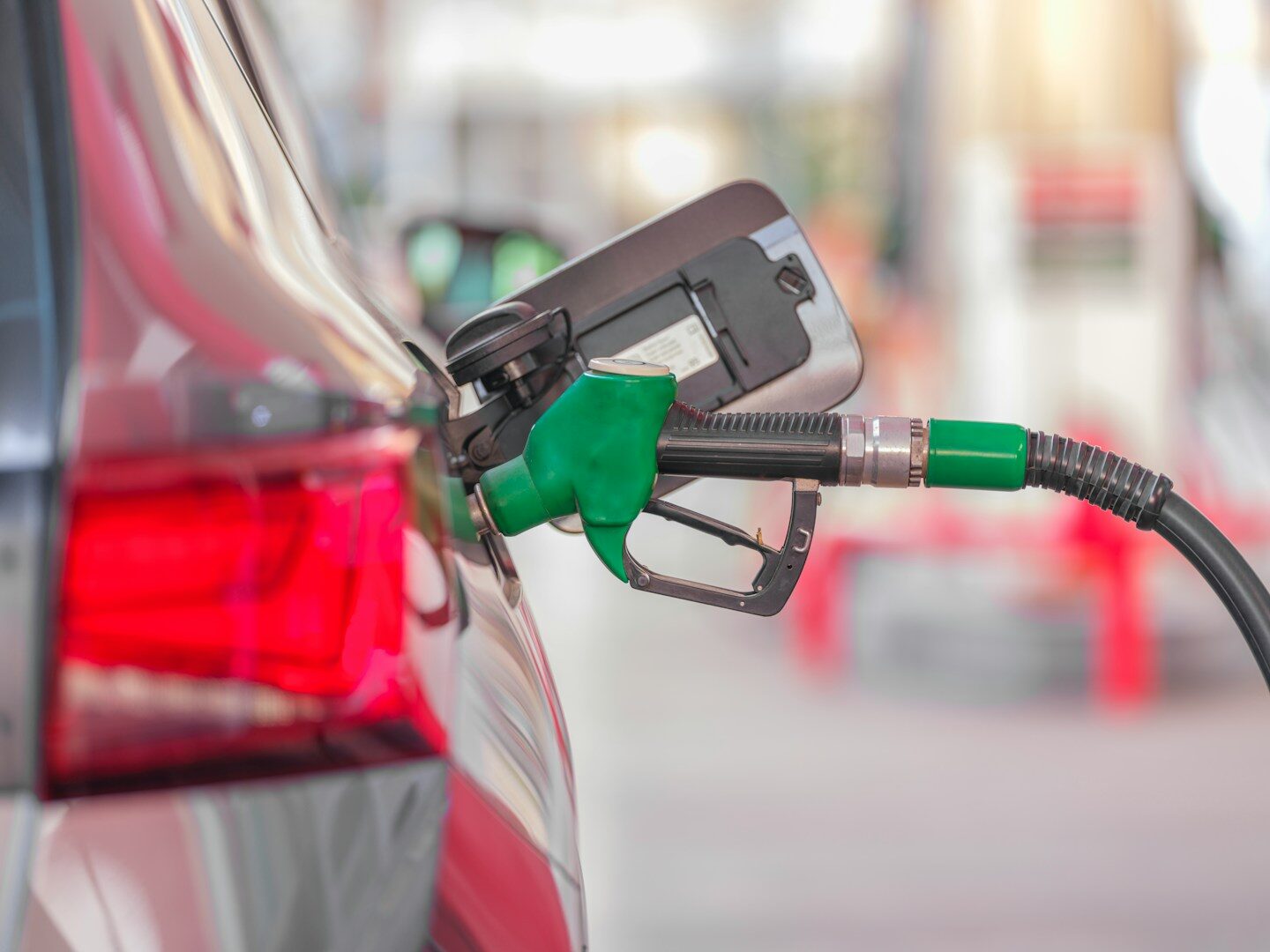
Somewhere along the way, “don’t use that gas, it’s got ethanol in it” became one of those warnings. Parents passed it down like a family recipe, minus the ingredients list. The problem is that almost nobody explains what ethanol actually does once it’s in your tank. So the warning just calcifies into vague dread. Your owner’s manual, meanwhile, has had an answer for two decades. It’s just never as fun to read as a rumor.
The Blend You’re Already Running, Whether You Know It or Not
Here’s the part that surprises people. More than 98% of gasoline sold in the United States already contains ethanol, according to the Department of Energy’s Alternative Fuels Data Center. The standard blend is E10 — 10% ethanol and 90% gasoline. It’s been the default at nearly every pump in the country for years. If you’ve been driving a gas-powered car built any time recently, you have already been running on ethanol for your entire ownership. Your engine has not been secretly falling apart because of it.
Where the Real Line Actually Gets Drawn
Drivers usually tangle up the myth between E10 and E15, and that’s where the actual rule lives. The EPA approves E15 (10.5% to 15% ethanol) only for model year 2001 and newer light-duty gasoline vehicles, per the Department of Energy. It’s not approved for motorcycles, boats, or small engines like lawn equipment. And it’s not meant for classic cars built before that cutoff. That’s not a superstition. It’s a federal fuel requirement, and it’s the one piece of the ethanol conversation that actually deserves a second look before you fill up something older or something with a carburetor.
What Ethanol Is Actually Doing to Performance and Mileage
Ethanol carries a higher octane rating than straight gasoline. That’s why refiners blend it in to help meet octane requirements without extra refining steps. But higher octane isn’t the same as more power. It just resists knock better, which matters more to a tuned or turbocharged engine than to your commuter sedan. The tradeoff is energy density. Ethanol holds less energy per gallon than gasoline — roughly 30% less in its nearly pure form — and that difference scales down with the blend. At E10 the fuel economy hit is small enough that most drivers never notice it against normal variables like tire pressure or driving habits. It is real. It’s just not the villain it gets made out to be.
Where the Myth Actually Becomes a Real Risk
The genuine ethanol risk doesn’t live in your daily driver. It lives in equipment that sits for months at a time. Ethanol is hygroscopic, meaning it attracts moisture from the air. Fuel that sits unused in a boat, generator, or lawn mower can undergo phase separation, where water and ethanol settle out from the gasoline. That’s a legitimate mechanical problem. It’s exactly why the EPA restricts E15 away from marine engines and small equipment in the first place. It’s also why fuel stabilizer exists as a product category. None of that has much to do with the car in your driveway that you drive every week.
What This Actually Costs You, in Real Numbers
If there’s a dollar figure worth paying attention to, it’s not a mystery ethanol repair bill. It’s the fuel economy math. A small, consistent percentage hit on mileage compounds over tens of thousands of miles. It works the same way paying for premium you don’t need quietly drains your wallet. Where ethanol does turn into a real repair bill is in vehicles running fuel blends they were never built for. Degraded fuel lines or a fuel pump failure from contamination can land in the same range as any other fuel system repair. Those jobs aren’t cheap, regardless of the cause.
Why This Keeps Coming Up in Washington
Part of why the ethanol conversation never fully settles is that the rules keep moving. Federal volatility waivers have allowed year-round E15 sales in some years and not others. Lawmakers have repeatedly pushed bills to make E15 available nationwide on a permanent basis, including legislation introduced by Senators Deb Fischer and Amy Klobuchar that we covered in detail here. Every time that debate resurfaces, so does the old fear that ethanol is somehow new or untested. In reality, it has been the default fuel blend for the better part of two decades.
The Actual Takeaway
None of this means every ethanol claim is empty. E15 in a pre-2001 car, a boat, or a chainsaw is a legitimate problem. Stale ethanol fuel left sitting all winter is a legitimate problem too. But for the overwhelming majority of drivers filling up a modern gas vehicle at a regular pump, nothing has changed. The fuel in the tank is the same E10 blend it’s been for years. That worry is better spent on the basics that actually extend a car’s life. Stay current on your oil change interval and follow the fluid schedule in our 200,000-mile maintenance guide, instead of watching the ethanol percentage printed on the pump sticker.
Sources: U.S. Department of Energy Alternative Fuels Data Center (afdc.energy.gov), U.S. Environmental Protection Agency, AAA.