
Eight days. That’s how long it took for a second Georgia police department to fire officers for misusing the same piece of hardware, caught the exact same way: not by a stalking victim, not by a formal complaint, but by paperwork nobody had bothered to check closely until somebody finally did.
Garage-worthy EDC gear, on sale this week.
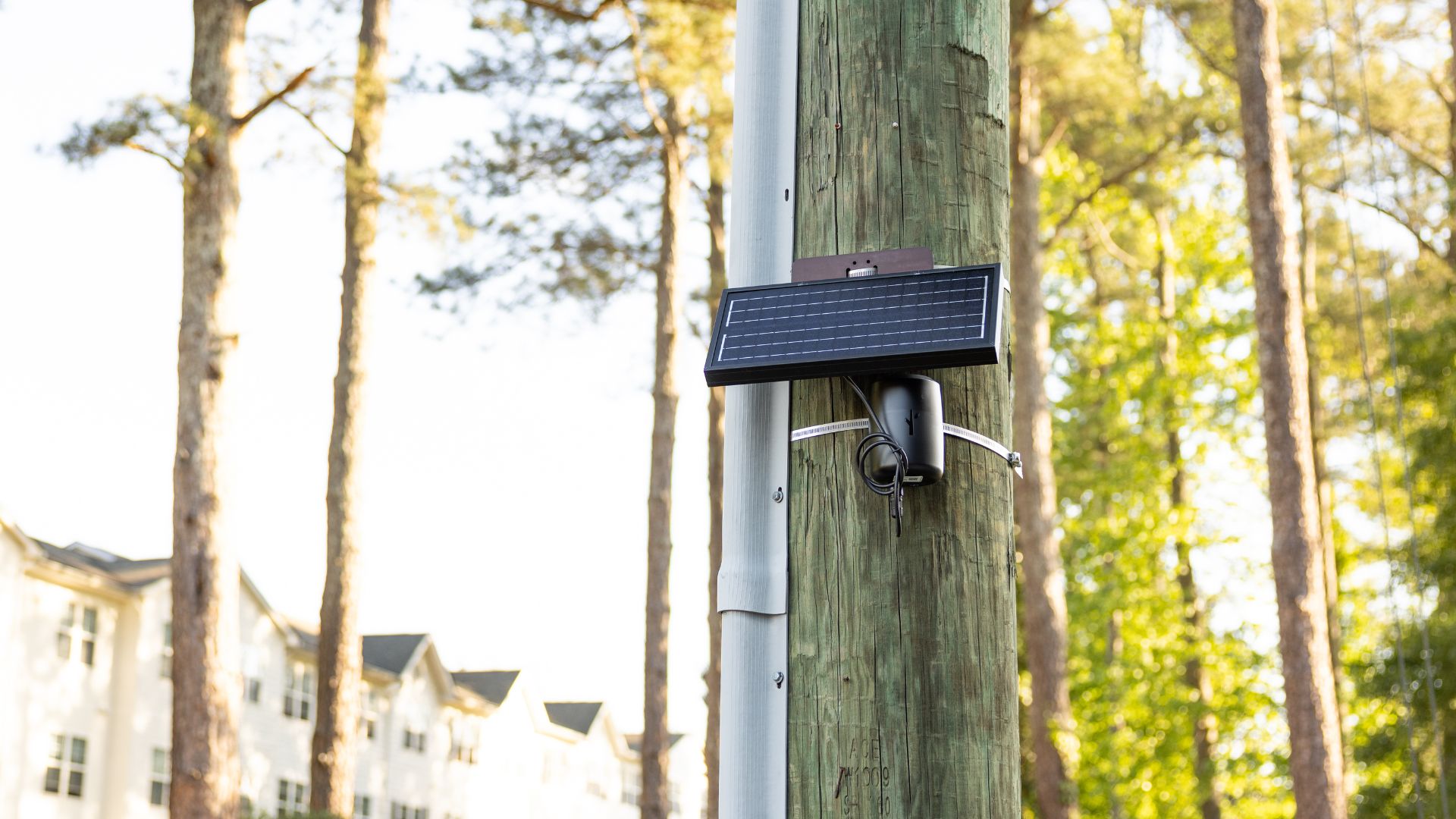
On Friday morning, the Fayetteville Police Department said it had fired three officers for misusing the Flock license plate reader system installed around town. According to the department, none of the searches involved strangers or suspects. The officers had run their own plates, or those of family members and acquaintances, activity officials called “inconsistent with the system’s authorized use.” The department says it uncovered the pattern almost by accident, during the rollout of a new internal auditing tool. All three employees were placed on leave and then terminated once the investigation wrapped, and the Georgia Bureau of Investigation has been brought in to run an independent criminal review. Fayetteville did not name the officers.
If that sequence sounds familiar, it should. On July 6, the Georgia Bureau of Investigation announced charges against five former Albany Police Department officers for the same underlying offense: misusing Flock’s license plate data. The Auto Wire covered that case in depth, and the headline finding was that departments almost never catch this kind of abuse on their own. Usually a frightened victim has to stumble onto the evidence first. Albany was the exception. Eight days later, Fayetteville is the second.
Here’s the detail worth pausing on. Nearly every other Flock abuse case The Auto Wire has tracked, a Milwaukee officer who searched a woman’s plate 179 times, an Institute for Justice review that found at least eighteen documented cases of officers using the network to track romantic interests, involved someone deliberately hunting one specific person. Fayetteville’s officers didn’t do that. They looked up their own cars, or their relatives’.
No ex-girlfriend. No grudge. No case file required.
That’s arguably the more revealing find. Officers with access to a tool that quietly logs everywhere a car goes got curious enough about their own footprint, or a relative’s, to go check. Curiosity turned out to be motive enough.
The bigger tell is the mechanism, not the motive. Both Georgia cases surfaced the same way: a department switched on sharper audit tooling and immediately found something. That’s not two departments getting unlucky in the same state within ten days. It suggests Georgia agencies are actively upgrading how closely they log Flock searches right now, at a moment when a Fourth Circuit case reshaped by the Supreme Court’s recent phone-tracking ruling, plus a wave of congressional bills targeting these camera networks, have put every department running this hardware on notice. Flock has always advertised an audit trail. It only works when an agency actually turns toward it and looks. Georgia, twice in ten days, looked.
That distinction matters because Flock’s entire pitch to city councils and homeowners associations rests on this exact feature: every search tied to a user login, reviewable after the fact. It’s a meaningfully better audit trail than the state DMV and NCIC lookup systems officers have quietly misused for decades to check up on exes, neighbors, and rivals, misuse that historically surfaced only when the person being watched noticed. Flock’s logs make that kind of behavior detectable. What Fayetteville and Albany actually prove is that detectable and detected are two different things, and only one of them happened routinely before this month.
None of this stays confined to squad cars, either. Flock sells its cameras to homeowners associations, shopping centers, and school districts just as often as it sells to police departments, and each buyer sets its own retention window and its own rules for who gets to query the data. A car doesn’t need to pass a patrol officer to end up logged somewhere. It just needs to drive past a subdivision entrance.
The camera never needed an upgrade to make this kind of abuse visible. Flock built that capability in from the start. What changed in Georgia, twice in the same ten days, is that somebody finally turned around and read what the camera had already been quietly writing down about the people using it.