
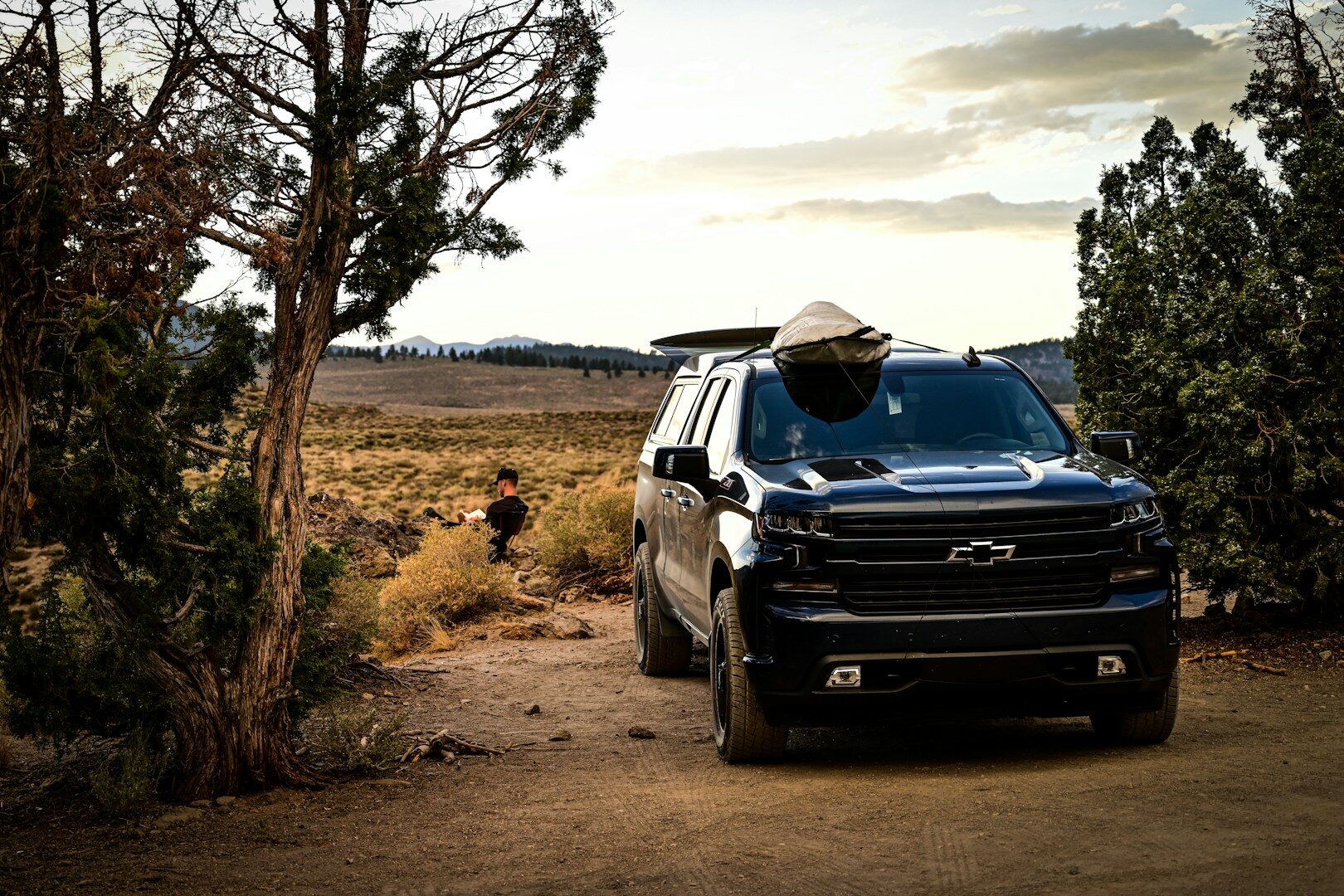
Phoenix police say a 31-year-old man stole a Chevrolet Suburban from behind a Safeway, drove it across town, and set it on fire in a quiet north Phoenix neighborhood. On its own, that’s a Tuesday-night crime blotter item. Stolen SUVs get torched in this country more often than most owners realize.
What actually makes this case worth writing about happened a few minutes earlier, at the checkout counter, when the suspect voluntarily typed in his own phone number to save a few cents on his groceries.
That’s the real story here. Not the theft. Not the fire. The rewards card.
According to Maricopa County court records cited by FOX 10 Phoenix, Blake Alexander Hauff walked into a Safeway on Apache Trail in Apache Junction on the evening of July 12, slipped into the employee break room, and pulled a set of keys from a purse inside a locker. Before leaving, he bought an item at the register and punched in his personal Safeway loyalty number, linking his identity to the exact minute of the crime. He then allegedly walked to the parking lot and drove off in a tan Suburban that belonged to a store employee.
Four hours later, Phoenix officers responded to a vehicle fire near 26th Street and Kelton Lane. The Suburban was fully engulfed. Investigators found a gas can in the street and fabric stuffed into the open fuel filler, a crude but effective ignition method. Surveillance video from a nearby guest house caught a man walking away from the fire around 1:30 a.m., wearing sweatpants with one leg pulled up to reveal leggings underneath, the same distinctive outfit worn by the suspect inside the Safeway hours earlier. A hatchback picked him up less than a quarter mile away.
Hauff was arrested in Tucson ten days later. When detectives confronted him, he denied setting the fire, claiming that after he parked the Suburban, “masked gunmen” appeared, took the vehicle, and drove off. He asked for a lawyer once investigators pointed out that surveillance footage placed him walking away from a vehicle that was already burning. He now faces a felony arson charge, with theft charges pending out of Apache Junction.
Here’s the point worth sitting with: none of the automotive industry’s anti-theft engineering caught this guy. No immobilizer chip. No remote telematics shutdown. No relay-attack countermeasure. A free grocery discount did the job instead.
The Real Vulnerability Was a Purse, Not a Keyless Fob
Every conversation about modern vehicle theft eventually turns to keyless entry systems, relay attacks, and thieves cloning fob signals from a driveway. It’s a legitimate problem, and automakers have spent real engineering budgets defending against it. None of that mattered here. This theft needed nothing more sophisticated than an unlocked employee locker and an unattended purse.
That’s worth remembering the next time a fleet manager or small business owner assumes their vehicles are safe because the cars themselves are hard to hack. Keys sitting in a break room, a warehouse, or a shared drawer remain the easiest entry point in the entire chain, and no amount of onboard cybersecurity fixes that.
Wait, Really? A Rewards Card Beats a Vehicle’s Own Security System
Loyalty programs exist to track spending habits and push coupons, but they also generate something police find extremely useful: a timestamped, phone-number-linked record of exactly who stood at a specific register at a specific moment. Retailers routinely turn that data over under subpoena. Most vehicles’ actual anti-theft hardware, by contrast, only helps if the owner is paying for a subscription service like a stolen-vehicle locator, and plenty of owners aren’t.
In this case, a five-cent discount produced a stronger evidentiary trail than the Suburban’s own equipment did.
Burning the Evidence Doesn’t Erase the Paper Trail
Torching a stolen vehicle isn’t random destruction. Insurance investigators have treated it for decades as a known method for destroying fingerprints, DNA, and fiber evidence left behind by a thief. It’s a common enough pattern that the National Insurance Crime Bureau tracks vehicle arson as its own category of vehicle crime.
Here’s the part most drivers never think about: federal regulation requires automakers to stamp or affix a vehicle’s identification number in multiple locations, including at least one confidential, hidden spot specifically chosen to survive collision and fire. That requirement exists precisely so a torched or wrecked vehicle can still be identified later. Burning a stolen SUV might destroy a thief’s fingerprints, but it was never going to erase the one number regulators designed to outlast the fire.
What Happens to the Suburban Now
The owner’s insurer will almost certainly total the vehicle rather than repair fire and heat damage to the frame, wiring, and interior. That triggers a claim, a payout, and eventually a subrogation effort against Hauff if he’s convicted, though restitution in cases like this is rarely collected in full. Even if the Suburban were somehow repaired, it would carry a fire-damage brand on its title from this point forward, the kind of disclosure that guts resale value no matter how clean the bodywork looks afterward. We’ve written before about how claims like this ripple outward into the premiums every other driver pays.
Suburbans Keep Ending Up in These Stories
This isn’t the first time a Chevy Suburban has starred in an Auto Wire crime story, and it won’t be the last. We’ve covered a Suburban that shrugged off multiple PIT maneuvers during a police chase, and a Florida man who used one to attempt a fake traffic stop on an undercover deputy. Full-size GM SUVs are common, roomy, and easy to blend into traffic, which makes them frequent props in exactly this kind of low-effort crime. Stolen-vehicle joyrides rarely end well for the person behind the wheel, whether it’s a stolen Corvette in Arkansas or a stolen Hyundai crashing into parked cars outside Phoenix.
In the end, nothing about this case required a hacker, a tow truck, or a chop shop. It required an unlocked locker, a gas can, and a suspect who couldn’t resist scanning his own loyalty number on the way out the door.
The most advanced anti-theft system in the automotive industry didn’t solve this crime. A grocery store discount program did, working exactly as designed: to identify the customer.