
A famous surname isn’t a business license. It isn’t a bond, an escrow account, or a receipt for the parts you paid for but never got. In the classic car restoration world, though, a well-known name can function as all three – right up until it doesn’t.
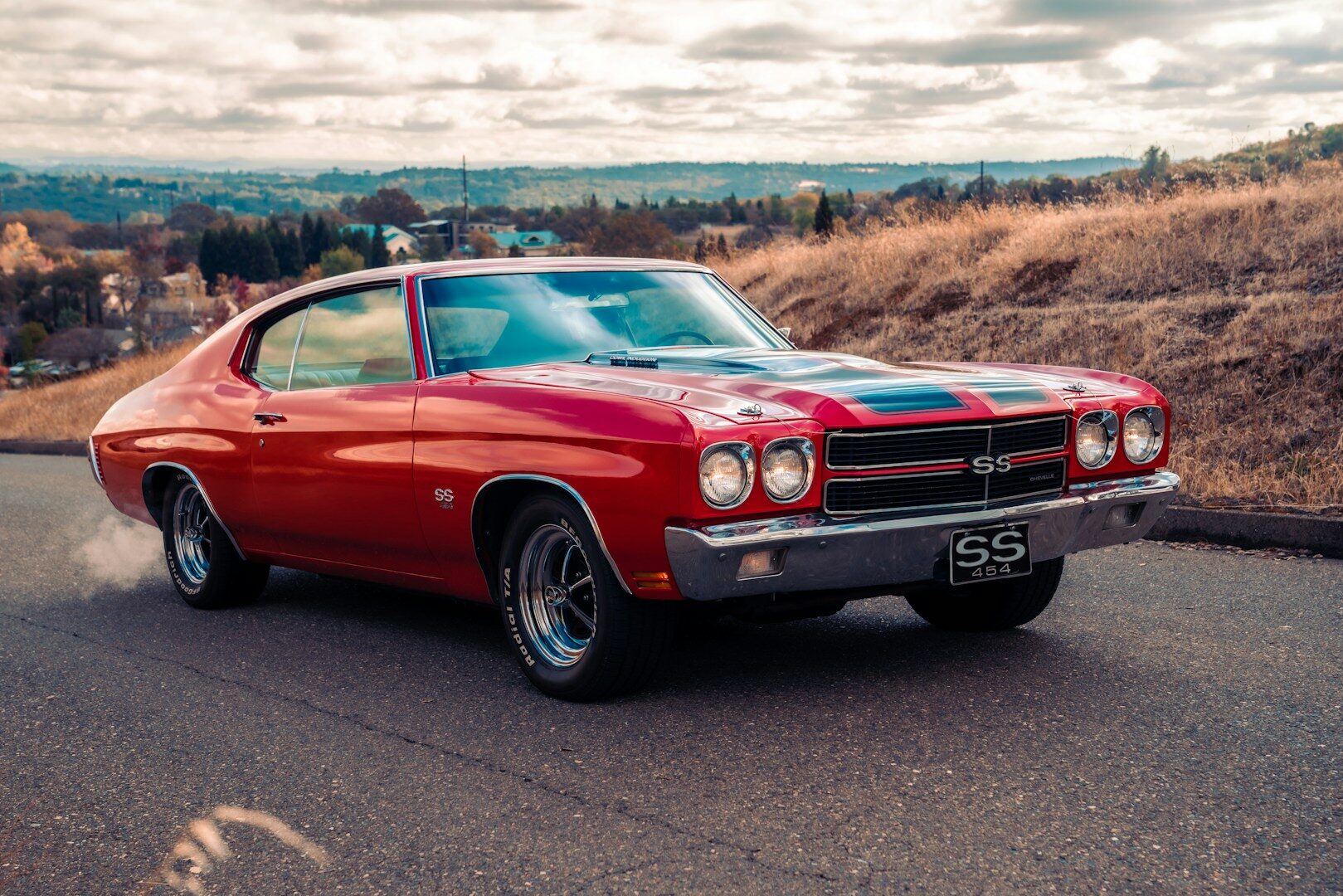
That’s the real subject of a lawsuit filed this week in Iredell County Civil Superior Court. Lee Chapman, a Chevelle owner based in the United Kingdom, accuses Jarit Johnson – younger brother of seven-time NASCAR Cup Series champion Jimmie Johnson – of taking $140,000 in 2021 to restore his 1967 Chevrolet Chevelle Coupe and then delivering years of stalled excuses, missing parts, and shoddy work instead of a finished car, according to the complaint.
Jimmie Johnson isn’t named as a defendant, and nothing in the complaint claims he had any hand in running his brother’s restoration operation in Troutman, North Carolina. But per Chapman’s complaint, the family name wasn’t incidental to why he wrote that check. He says he chose the shop specifically because it “purported to be NASCAR and racing guys.” That detail, more than anything else in the filing, is the actual story. It has almost nothing to do with NASCAR and everything to do with how the restoration business quietly operates.
Per the complaint, the years between the wire transfer and the lawsuit followed a familiar shape. Chapman spent that stretch chasing updates from Johnson and two other workers tied to the shop, and the answers followed a pattern anyone who has dealt with a slow contractor will recognize: a few more weeks, then a few more months. By the end of 2024, Chapman was telling Johnson directly that six figures of his money were sitting inside a car that still wasn’t done. By the following spring, he was reminding Johnson it was his family’s savings on the line, not some faceless investment fund’s. Johnson’s own reply that May, according to the filing, was that another worker had picked up the pace and the Chevelle was roughly two months from finished. Two months turned into another seven with nothing to show for it. A formal demand letter went out in December. Still no car. This past June, Chapman paid a third-party recovery company to physically pull the Chevelle, and whatever remained of its parts, out of Johnson’s shop.
What came back wasn’t what he paid for. An inventory turned up roughly $37,000 in previously invoiced parts that were either missing or appear to have never been purchased at all, and much of the work that had actually been completed reportedly needs to be stripped and redone. That’s the sentence that should make any owner wince: Chapman may now be on the hook to pay twice for pieces of a restoration he already funded once.
Here’s the detail that separates this from an ordinary slow-shop horror story. Chapman’s suit doesn’t just allege breach of contract. It leans on North Carolina’s unfair-and-deceptive-trade-practices statute, and it asks a jury not just for the roughly $175,000 in damages claimed, but to triple whatever number it lands on. That automatic multiplier doesn’t kick in for garden-variety broken promises. It only applies if a jury finds the shop’s conduct amounted to a deceptive business practice rather than simple incompetence or bad luck. Reaching for that statute is a signal about what Chapman’s attorneys believe they can prove, and it is a meaningfully higher bar than simply showing up late with an unfinished car.
Winning that argument and collecting on it are two different fights, and the second one already looks difficult. As of this filing, neither Johnson nor the other named restorer had an attorney on record, and neither could be reached for comment: no working phone number for the business, a Facebook page with messaging switched off, and a disconnected line for the second worker. That’s not just bad optics. A business that has already gone quiet is a business that’s hard to collect a six-figure judgment from, and restoration-fraud plaintiffs across the country have learned that lesson the expensive way. A favorable verdict is a piece of paper, not a check.
It’s worth understanding why stalls like this happen so often in this specific corner of the car hobby, and it usually comes down to how these shops are financed. A six-figure deposit on a restoration rarely sits untouched in an account earmarked for that one car. For a shop running on thin margins, it becomes working capital – this month’s rent, this month’s payroll, maybe parts for a different customer’s project that’s further along the queue. That’s a normal, even necessary way for a small business to manage cash flow when it’s operating close to the edge. It’s also precisely the mechanism that turns one delayed customer into a years-long backlog the moment new deposits stop arriving fast enough to cover the promises already made on older ones.
Which is really what this case is about. It isn’t a story about a NASCAR family, even though that’s the headline doing the work of getting people to click. It’s a story about a trade that runs almost entirely on reputation because it carries almost none of the consumer protection built into other expensive, contractor-driven work. Hire someone to add a room onto your house in most states and you’re dealing with a licensed contractor, often bonded, sometimes required to use an escrow arrangement above a certain dollar figure. Buy a car from a dealer and that dealer needs a license and a bond, too. Hand a restoration shop the same amount of money to rebuild a first-generation muscle car, and in most places, none of that applies. Reputation is the entire regulatory system. A famous surname might get you a deposit. It won’t get your car finished.
This isn’t the first time The Auto Wire has covered this exact failure mode, and that repetition is the point. We’ve reported on a Texas shop owner sentenced to 60 years for defrauding dozens of classic car owners, an F100 owner who sank six figures into a restoration that never finished, a five-year fight just to get a Mustang back, and a Houston shop accused of cheating its customers the same way. Different states, different cars, same shape: money changes hands up front, the car disappears into a shop for years, and the paperwork never quite matches what’s actually sitting on the lift. None of that is unique to a family with a famous name attached to it. It’s just easier to notice when one is.
It also isn’t happening in a vacuum. Values for first-generation muscle cars, classic trucks, and resto-mod builds have climbed hard over the past decade, pulling more money and more impatient buyers into a hobby that never had enough skilled sheet-metal and wiring labor to match the demand. That gap gives good shops longer backlogs than they would like, and it gives shops that shouldn’t be taking six-figure deposits in the first place plenty of cover to do it anyway.
Whatever a North Carolina jury eventually decides about Jarit Johnson’s shop, the lesson for anyone about to wire a restoration deposit doesn’t change. Structure payments around verified, itemized milestones, not a lump sum handed over before a single panel gets pulled. Ask for dated photos or an in-person walkthrough at every stage instead of taking a text message on faith. Hold back a meaningful final payment until the car is inspected in person and running under its own power. Treat a famous name on the shop door the way you would treat any other advertisement: as a reason to look closer, not a reason to stop looking. A restoration shop’s reputation should be built on finished cars sitting in driveways, not on whose brother owns the place.