
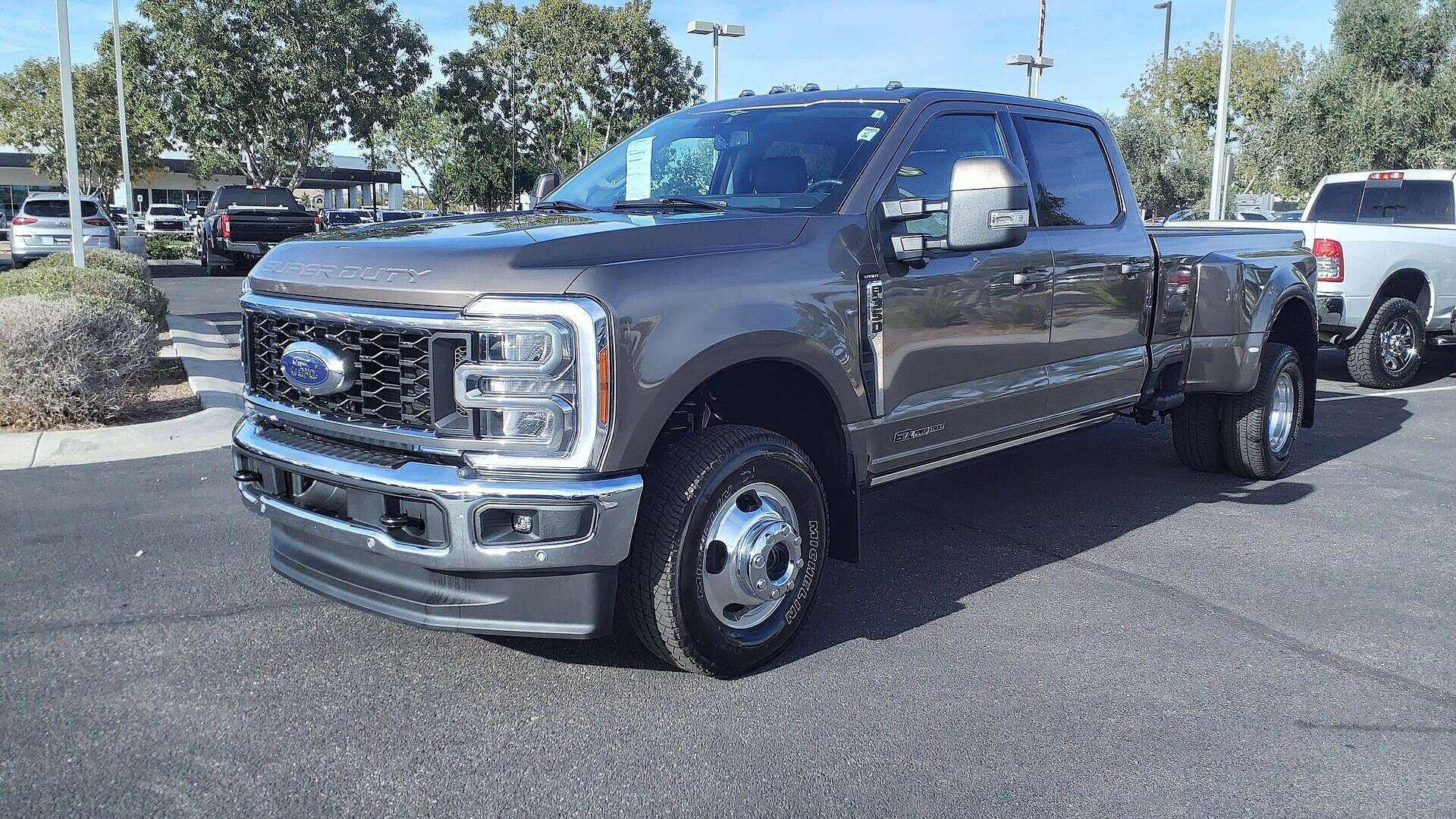
A recruit answers a social-media post, rents a pickup for five days, pays for the damage waiver and leaves the key inside the truck on the rental lot. Someone else drives it to Mexico. That handoff is one of the methods laid out in an investigation by the Puente News Collaborative and the Los Angeles Times, reported by Steve Fisher and published Oct. 12, into how cartels stock their fleets with U.S. rental vehicles. Kevin Carter, who owns the Texas rental-recovery firm Collateral Consultants, told the reporters, “For the cartel, it is the cheapest way for them to do business.”
California law lets the rental company void that waiver once someone else takes the wheel, and again once the truck crosses the border. The contract works as written. The truck is gone anyway, because the person who signed for it can’t be found or never existed, and the rental company has no insurer to send the bill to. The industry’s public argument is about how soon it may switch on GPS. The costlier problem is that a rental counter is a cheap way to drive off in a new heavy-duty 4×4 without buying one, and a self-insured fleet can only recover that loss from the people who bring their rentals back.
California’s damage waiver already excludes this scheme
California Civil Code Section 1939.09, last rewritten by AB 901 in 2021, defines the damage waiver as a promise that the renter “has no liability for damage, loss, loss of use, or a cost or expense incident thereto.” The same section lets a rental company write exceptions into its contract. The waiver can be denied when the vehicle was “operated by a person other than an authorized driver,” when it was “operated outside the United States,” when it was used in conduct that could be charged as a felony, and when the renter “provided fraudulent information to the rental company.”
The five-day handoff breaks at least two of those conditions before the truck reaches the border. The waiver the recruit paid for is voidable under exclusions California lets rental companies write into their contracts. What it buys him at the counter is the appearance of a careful customer.
Renter liability for theft tightened this year, too. AB 1197, approved Oct. 7, 2025, as Chapter 449, now presumes a renter owes nothing for a stolen rental only if an authorized driver returns the ignition key the company issued and files a police report within 24 hours of learning of the theft. We went through that change, and California’s slow clocks for declaring an overdue rental stolen, in our earlier report on the reporting gap.
No statute produces a defendant. The investigation describes renters booking online or at self-service kiosks under stolen identities and wearing masks so the cameras capture nothing useful. LAPD Sgt. Juvey Mejia, a member of the Task Force for Regional Auto Theft Prevention, told the reporters the renters know the car won’t be traced back to them. A voided waiver becomes an invoice addressed to someone who doesn’t exist, or to a recruit with nothing to collect. The identity half of that problem starts with the license you hand across the rental counter.
Rental fleets insure themselves against theft
When a pickup disappears from a driveway, the owner’s comprehensive coverage pays and a lender usually has a lien to chase. A rental fleet has neither cushion. Sharky Laguana, owner of Bandago Van Rentals in San Francisco, told the reporters that insurers cover rental agencies against vehicle damage but not theft, and that most agencies are self-insured, so a lost vehicle comes straight out of earnings. Carter described the big companies’ view of vehicles lost across the border as a calculated risk.
A self-insured loss that recurs every year is a cost of running the fleet, and the daily rate is where fleet costs get recovered. The industry’s trade association said in a statement quoted by the reporters that theft into Mexico costs its members millions of dollars a year. That is the association’s estimate, not an audited figure. Whatever the exact number, a self-insured company can recover it only from the customers who bring the cars back.
Why the cartels want heavy-duty pickups
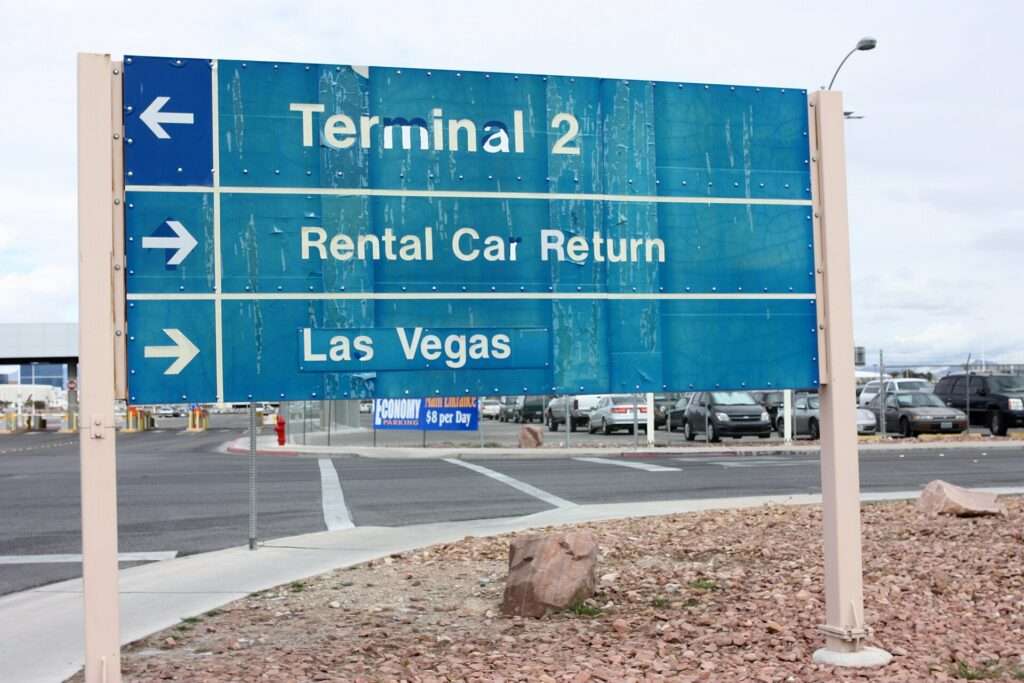
The investigation lists what goes south: heavy-duty pickups, Jeeps, Cadillac Escalades and BMW SUVs. Some of the trucks are rebuilt with ballistic steel plating, firing ports and gun mounts. Mexico’s Defense Ministry counted 597 of these handmade armored vehicles, known in Mexico as “monstruos,” seized nationwide from January 2023 through June 2025, 304 of them in Tamaulipas, according to ministry data reported by El Imparcial. The same report says they are usually built on Ford F-350 and F-450-class trucks and that authorities have not established where the vehicles come from. No public record I found ties a specific seized monstruo to a specific U.S. rental contract.
The reason is weight. Plate steel weighs about 490 pounds per cubic foot, so one square foot of half-inch plate weighs about 20 pounds, and 100 square feet of it comes to roughly a ton before anyone adds a turret, a gunner or ammunition. That’s The Auto Wire’s arithmetic, not a measurement of any seized vehicle. Ford’s 2026 Super Duty technical specifications list maximum payload of 3,445 to 4,246 pounds for a single-rear-wheel F-250 and 5,850 to 7,774 pounds for a dual-rear-wheel F-350, depending on configuration. A cartel armorer isn’t reading the door-jamb sticker, but the springs, axles and brakes behind that number decide how much plate a truck can carry and still steer and stop. A rental fleet’s heavy-duty trucks are new, low-mileage and parked where anyone with a driver’s license and a card can reach them.
Mexican plates, not GPS, keep a stolen rental gone
The trade association’s statement said California law uniquely restricts fleet operators’ access to recovery technology, and Laguana put the complaint in one sentence: “California allows criminals to take advantage of the fact that we are not allowed to see where the vehicle is until it’s too late.” Civil Code Section 1939.23 does limit when a company can use location data from a rental. Since AB 1197, it also lets a company use geofence technology to detect a rental leaving the country when the contract doesn’t allow foreign travel.
An alert at the border line tells a company where its truck went. It doesn’t bring the truck back. The California Highway Patrol figures cited in the investigation show about 850 vehicles stolen in California recovered in Mexico each year since 2023, rentals and privately owned cars combined. South of the line, the reporters found operatives working with corrupt officials to swap U.S. plates for Mexican ones and register the vehicles online. With valid Mexican plates, the trucks pass the highway chip readers without being flagged.
Mexico closed its legal route for undocumented U.S. vehicles at the end of 2025. The country’s Executive Secretariat of the National Public Security System (SESNSP) said in January that the program for registering undocumented foreign used vehicles ended Dec. 31, 2025, with no extension, after 2,987,839 vehicles were regularized through November 2025. It covered only vehicles brought into Mexico before Oct. 19, 2021. What remains is formal import under a separate decree, with duties and physical, mechanical and environmental requirements. A stolen 2026 pickup that turns up wearing Mexican plates got them some other way, which fits what the reporters found.
Thieves who never sign a rental contract use the same gaps. In a June 22 announcement, Colorado Attorney General Phil Weiser and Denver District Attorney John Walsh said 11 people face 52 counts over a ring that stole 41 vehicles, most of them full-size pickups, trailers and utility terrain vehicles owned by private citizens, largely from airport parking lots and nearby hotels. Owners often didn’t report the thefts for days, which helped the trucks slip past license plate readers. The suspects allegedly swapped plates, changed the VIN tags on windshields or added fake temporary Colorado plates, and many of the vehicles were driven or trailered to Mexico and sold to cartels, according to the indictment.
Border cities see the traffic directly. El Paso police reported that 20 vehicles valued at an estimated $675,000 were taken from a rental company on North Mesa Drive in the early hours of Dec. 2, 2024. Officers recovered 15, tracked several to Juárez and asked Mexican authorities for help. In Laredo, Deputy Police Chief Timothy Tubbs told the reporters rental thefts are up 50%, to about 10 a month.
What renters should expect at the counter
The pressure will reach renters before it reaches the cartels, because renters are the part of this chain a rental company controls. Four changes would show up first. One is whether companies stop selling the damage waiver on heavy-duty pickups, or limit those trucks at border-state and airport locations. California’s $25 daily cap on waiver prices, adjusted for inflation since 2023, covers only the five smallest car categories, so pickups and SUVs are already priced at the company’s discretion. Another is tighter identity checks at kiosks and online, the step that would cut off the stolen-identity bookings. A third is whether rental contracts start telling customers about the border geofence AB 1197 allows. The last is whether Sacramento revisits the 72-hour clock for presuming an overdue rental embezzled, which AB 391 set in 2019 and which reverted to five days on Jan. 1, 2024.
For anyone renting in California now, the 2026 rules come down to two habits: keep track of the key, and if the vehicle is stolen while it’s in your name, report it to police within 24 hours. Those are the two conditions for the presumption that you owe nothing. On the Mexican side, the figure to watch is any origin data the Defense Ministry releases on the monstruos it seizes. Until then, nobody can say how many of those trucks started on a U.S. rental lot, or how many came through financing fraud and other paper schemes for moving vehicles abroad.
Would you rent a pickup that’s tracked from the minute it leaves the lot? Would a lower daily rate change your answer?