
Kia flipped the switch on a new assembly line in Nuevo Leon this week, and the crossover rolling off it is getting treated as the headline. It isn’t the interesting part. Bolted onto that launch, almost as an afterthought, is a V2V mobile charging service that lets one EV3 hand a slice of its battery to another, right there on the shoulder of the highway. Kia is calling it a first. Read between the lines and it looks a lot like a confession.
This week, Kia officially began building the EV3 at its Pesqueria plant in Nuevo Leon, the first time a fully electric vehicle has ever been manufactured inside Mexico. Alongside that milestone, the company introduced what it’s billing as a full charging push built around the car, headlined by its first vehicle-to-vehicle, or V2V, mobile charging service anywhere in the world. We already covered why Kia chose Mexico over the United States for this car, and that $649 million bet on dodging a rewritten USMCA hasn’t lost any relevance. This week’s news is a different animal.
Strip away the press-release framing, and the charging feature says something the trade story never did. Kia doesn’t appear to trust Mexico’s charging network to be ready for the car it just started building there. So it built the backup plan directly into the vehicle.
Buyer’s guide: Best Roadside Emergency Kits for Cars, SUVs and Trucks (2026)
Start with the detail that should stop you: despite assembling something like four million vehicles a year and ranking among the largest auto-exporting nations on Earth, Mexico had never built a single fully electric vehicle inside its own borders until this week. Not a Nissan Leaf, not a Volkswagen ID.4, nothing. A country that welds together a meaningful share of the vehicles parked in American driveways has spent the entire EV era as an assembly point for gasoline engines and an importer of everyone else’s batteries. That gap between manufacturing muscle and electric adoption is the real backdrop here, and it explains why Kia felt the need to ship its own charging infrastructure along with the car.
Why V2V Charging Isn’t a Real Charging Station
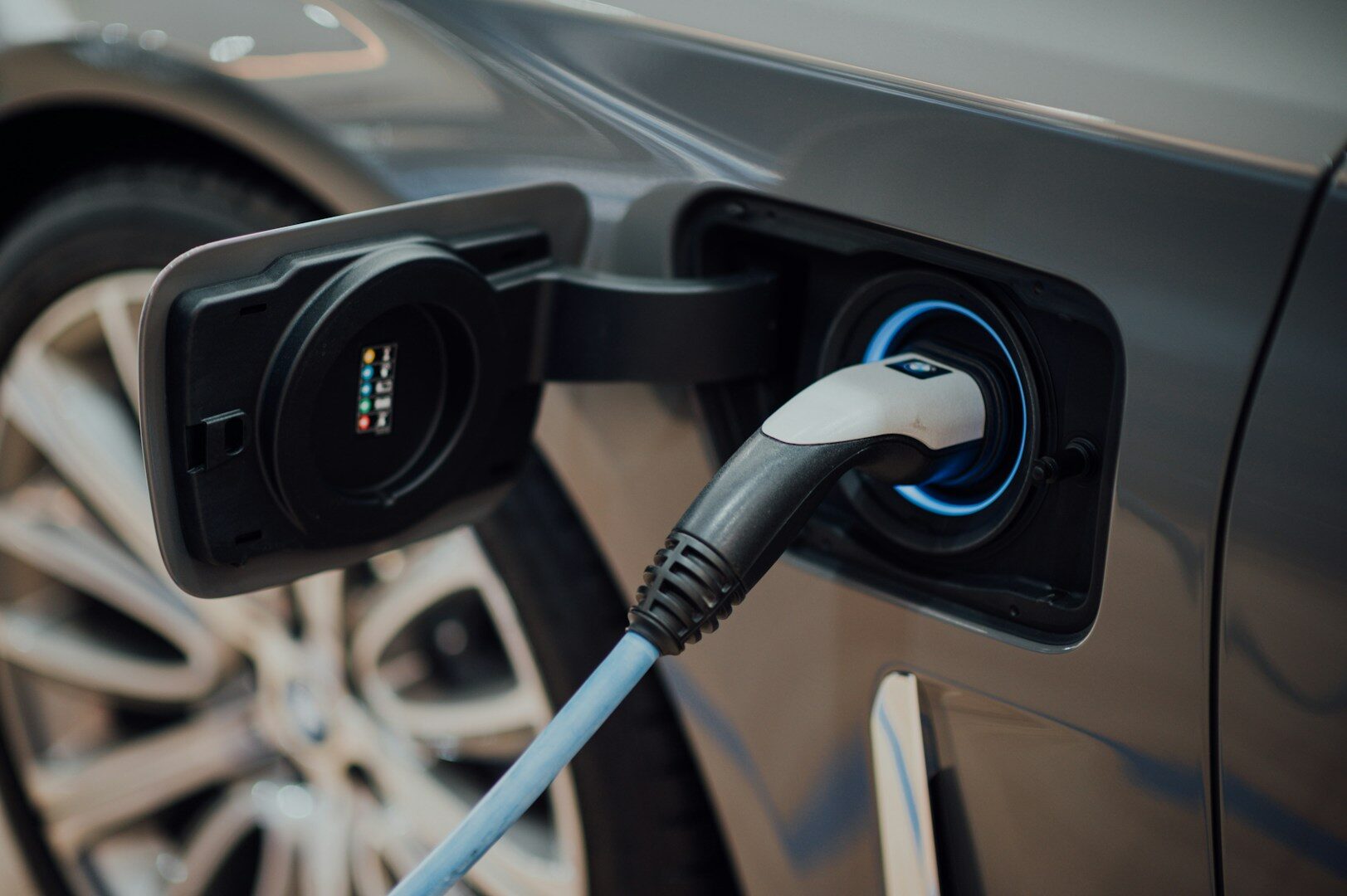
Here’s the second detail worth sitting with. Vehicle-to-vehicle sounds like new technology. It mostly isn’t. The E-GMP platform underneath the EV6, EV9, and now EV3 has offered vehicle-to-load power for years, the same feature that lets an EV6 run a coffee maker at a campsite. V2V charging is that same trick pointed at another car’s charge port instead of a blender. The physics don’t change just because the load on the other end has four wheels. A household outlet moves roughly enough current to add a handful of miles of range per hour, and V2L output tops out in a similar range. Two EV3s parked nose to nose on a shoulder isn’t a charging station. It’s closer to one battery holding hands with another, waiting.
That’s not a knock on the idea. A trickle is still better than a tow truck, and for a stranded driver outside a town with no fast charger, an hour of borrowed range might be the difference between a bad afternoon and a bad week. But calling it a charging ecosystem oversells what is really a very well-branded jumper cable. Just don’t expect it to work like the Supercharger stall you’re picturing.
It also raises a question nobody in the announcement seems eager to answer: whose insurance covers what happens next? Roadside assistance policies are built around tow trucks and jump boxes, not two strangers’ vehicles wired together on the shoulder of a highway. If a cable fails, a connector arcs, or one battery pack takes damage from the exchange, the claims adjuster is going to be working from a policy that was never written with this scenario in mind. None of that makes the feature reckless. It does mean Kia is asking owners to become part of its charging infrastructure before anyone, Kia included, has fully worked out the liability of that arrangement.
Who Actually Wins When Kia Skips the Charging Network
None of this is new behavior for the auto industry, just a new decade wearing it. When gasoline cars outran the fuel network built to serve them, oil companies didn’t wait for someone else to build the pumps. Standard Oil built its own. A century later, Tesla did the same thing with Superchargers rather than waiting on utilities and governments to catch up. Kia’s version costs a fraction of either, because it doesn’t require pouring a single foundation. It just requires owners to volunteer their own battery packs as the missing infrastructure, which is a considerably cheaper way to solve the same problem.
That’s who wins here. Kia gets to sell an electric crossover in a market with a thin charging network without spending a peso building that network itself. Mexican buyers get a car they can trust to get home even where fast chargers are scarce, which matters more to a first-time EV buyer than a spec sheet ever will. The parties left holding the risk are the owners themselves, plus whichever insurer eventually has to figure out how to underwrite a car designed to share its battery with strangers.
Five years from now, nobody will remember that Kia called this a world-first V2V service. What they will remember, if the idea catches on the way V2L already has, is that automakers stopped waiting for the charging network to show up and started building it into the cars instead. The EV3 will fade into just another crossover. The cable that came with it might be the part every other automaker eventually copies.