
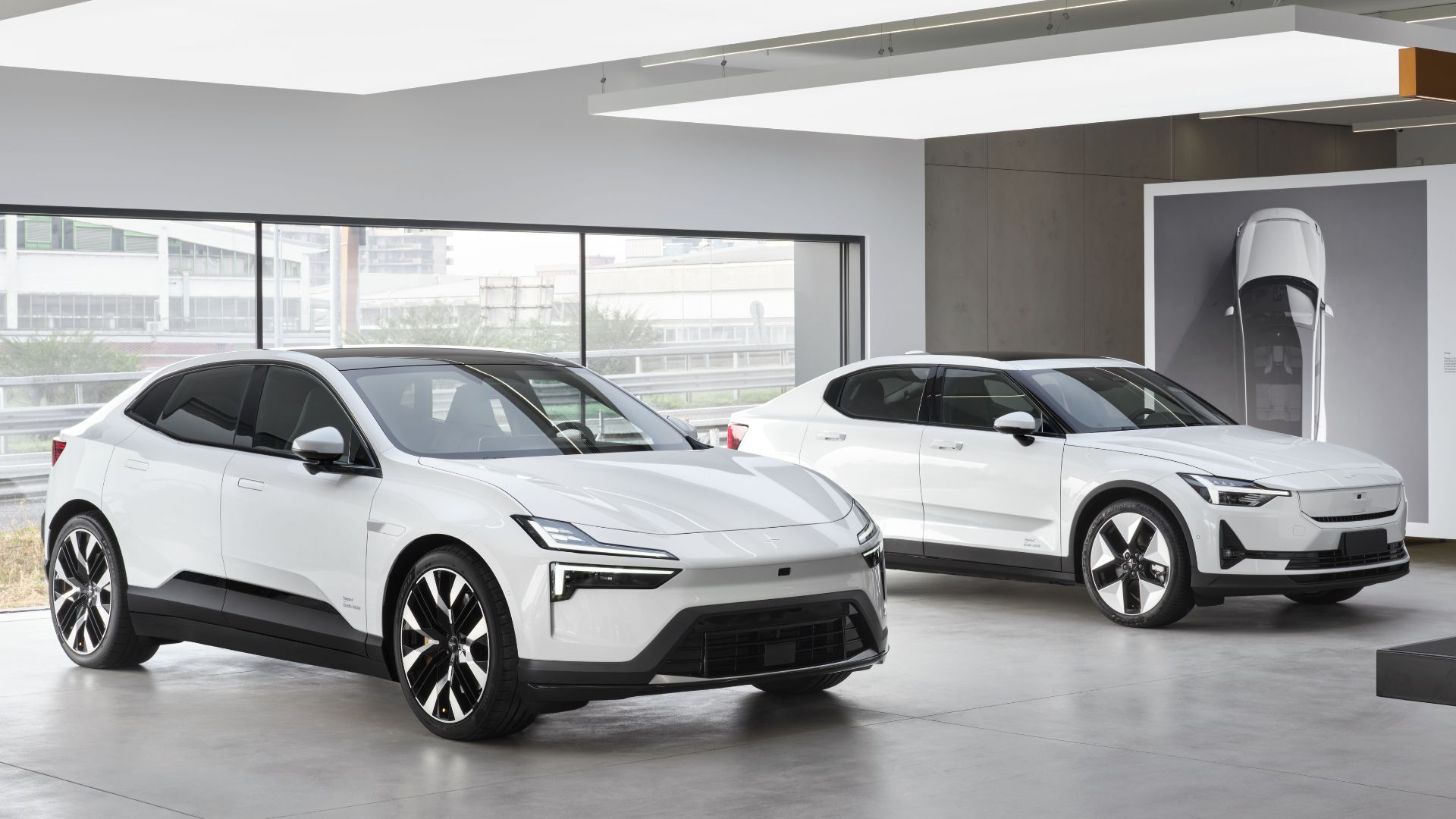
When the federal government tells a car company it can no longer sell its product in the United States, that usually ends the conversation. Polestar is discovering it doesn’t — not for the people who spent years and millions of dollars building dealerships to sell the thing.
On August 13, a New Jersey Polestar retailer called Prestige Imports sued the Swedish-badged, Chinese-owned EV brand for at least $25 million. The dealership isn’t arguing that the government’s ban on Polestar was illegal, or even wrong. It’s arguing something more uncomfortable: that the ban was convenient.
The Ban Nobody Disputes
In June, the Commerce Department’s Bureau of Industry and Security denied Polestar authorization to keep selling vehicles in the U.S. past the 2027 model year, citing the company’s Chinese ownership and the software running inside its cars. We covered the mechanics of that ban when it happened: a rule finalized in January 2025 that bans covered Chinese- or Russian-linked software in cars starting with the 2027 model year, and covered hardware starting in 2030. Polestar, majority-owned by Chinese conglomerate Geely, became the rule’s first real casualty.
Polestar didn’t appeal. A company spokesman said it would instead “focus our investments on markets where we have a strong brand position,” pointing to Europe, where most of its business already lives. Fair enough. Polestar sold just 5,747 cars in the U.S. last year, about 6 percent of its global total. That’s not much of a market to fight a federal agency over.
What The Lawsuit Actually Says
According to the complaint, Polestar spent roughly two years quietly planning its exit while telling dealers the opposite. As recently as early 2025, Prestige says, Polestar leadership called the year the brand’s best yet. In February 2026, four months before the Commerce Department’s denial, a Polestar executive allegedly approved a multiyear expansion of Prestige’s Bergen County store, tied to the Polestar 7’s planned 2028 launch. Then came June 25, and the ban. Two weeks later, Polestar sent its dealers a force majeure letter and walked away.
Force majeure is a term built for hurricanes and wars, for things nobody saw coming and nobody could control. Prestige argues Polestar is using it to describe a regulatory outcome the company allegedly steered toward and then declined to fight.
What Most People Get Wrong About “Banned By The Government”
New Jersey’s Franchise Practices Act requires 60 days’ written notice before a franchisor can terminate a dealer, spelling out every reason for the move. “Good cause” under the statute is defined narrowly: the dealer’s own failure to substantially comply with the franchise agreement. Not the manufacturer’s business strategy. Not its balance sheet. Not, on its face, a federal agency’s decision.
That’s the part every automaker with a Chinese or Russian ownership tie should be reading closely, not just Polestar. A federal ban on your product doesn’t automatically satisfy a state’s definition of good cause. If a manufacturer can’t show the dealer failed to hold up its end of the bargain, the law doesn’t much care that Washington also got involved. Polestar is now the test case for what happens when a national-security rule collides with fifty different states’ worth of dealer-protection statutes. It won’t be the last automaker to find out.
The Volvo Problem
Geely owns roughly 80 percent of Polestar. Volvo Cars, which Geely has fully controlled since buying it from Ford in 2010, owns another 18 percent. Same ultimate parent company, same federal rule, two very different outcomes. In May, Volvo secured a specific authorization from Commerce’s Office of Information and Communications Technology and Services to keep selling connected vehicles in the U.S. Polestar didn’t get one. It also never formally asked to be reconsidered.
Here’s the part nobody outside those two buildings actually knows: Volvo has never disclosed what it did to clear that bar. What data got walled off, what software got rewritten, what got restructured. Whether Polestar genuinely couldn’t meet whatever standard Volvo met, or simply decided it wasn’t worth the trouble on a market where it was reportedly losing money on every car sold, is the real question sitting underneath the New Jersey lawsuit.
A Former Car Dealer, Now A Senator, Isn’t Buying It Either
“Polestar was screwed by Polestar. It wasn’t screwed by the U.S. government,” Ohio Sen. Bernie Moreno said, adding that Polestar was reportedly losing $30,000 to $35,000 on every vehicle it sold domestically. That’s not a random talking point. Before Ohio sent him to Washington, Moreno ran his own chain of dealerships in Cleveland. He’s not guessing at how the dealer-manufacturer relationship works. He used to be on the other side of it.
The Bill Nobody’s Sending Polestar Yet
Roughly 2,800 new Polestars, most of them 2026 Polestar 4s, are sitting in U.S. dealer inventory with no clear plan for how to move them. Matthew Haiken, who runs Prestige, told The Drive he’s staring down a showroom with no answers: “I don’t know what I’m going to do with my building. I don’t think any of us know what we are going to do with our buildings.” Dealers describe hundreds of thousands of dollars in brand-specific fixtures now worth nothing to anyone.
Here’s the detail that makes this sting more: about a year before the ban, Haiken proposed folding his Polestar operation into a neighboring Volvo store, essentially the consolidation Polestar and Volvo now seem headed toward anyway. Volvo corporate turned him down. The merger may happen regardless. It just won’t come with the negotiated protections a voluntary deal would have included.
What To Remember Here
Prestige Imports is unlikely to be the last Polestar dealer to file suit, and this fight isn’t really about $25 million, or even about one store in Bergen County. It’s about whether a car company can point at a federal ruling and use it to skip past the obligations it signed up for when it recruited dealers to sell an unproven EV brand in the first place. Franchise laws exist precisely because manufacturers can walk away from a market a lot faster than a dealer can walk away from a mortgage on a showroom.
A federal ban can end a product line. It can’t retroactively cancel the promises a company made to the people who built showrooms for it.