
Here’s the part of this story that nobody’s leading with: O’Reilly may well have had permission to text every single number on the list. That’s the whole problem.
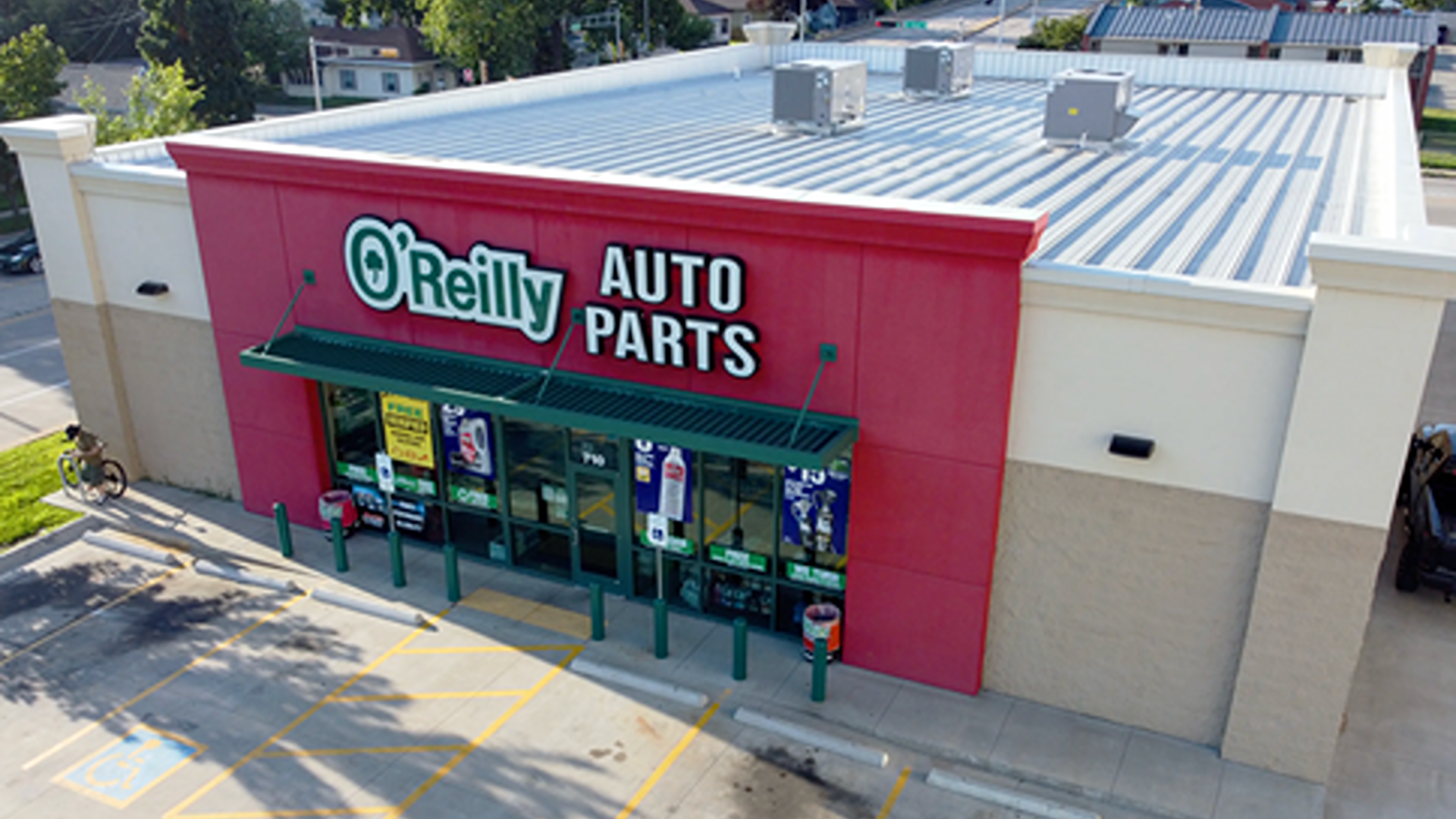
The case is Bryan v. O’Reilly Automotive, Inc., No. 2026CH000016, sitting in the Circuit Court of the Thirteenth Judicial Circuit in LaSalle County, Illinois. O’Reilly agreed to $18,842,577 to resolve claims that it sent telemarketing texts to numbers sitting on the National Do-Not-Call Registry. The full settlement agreement, the complaint, and the class notice all live on the court-authorized site. O’Reilly hasn’t admitted wrongdoing.
But look at how the class is defined and the mechanics jump out. It covers people who got two or more O’Reilly texts after their phone number was reassigned to them, while that number had been on the Do-Not-Call Registry, between April 15, 2021 and June 29, 2026. The word doing the heavy lifting is “reassigned.”
Consent doesn’t come with the phone number
When a carrier disconnects a line and later hands those ten digits to somebody new, whatever the previous subscriber agreed to evaporates. Consent is personal. It attaches to a human being, not a string of numbers. The marketing database doesn’t know that. The database just sees a number flagged “opted in” three years ago and keeps firing.
So a customer buys a battery in 2022, opts into O’Reilly’s texts, drops their carrier in 2024, and by 2025 that number belongs to somebody who has never set foot in an auto parts store and who registered the line on the DNC list the week they got it. The texts keep coming. Legally, they’ve gone from solicited to unsolicited without anyone at headquarters touching a thing.
Related Articles
- State Farm’s $5 Billion ‘Thank You’ Check Is Actually a Receipt for Three Years of Rate Hikes
- Two BMW Street Racers Killed a Grandmother in Florida. The Law Says the Passengers, Spectators, and Camera Phones Could Be Just as Guilty.
The FCC saw this coming and built a fix. The Reassigned Numbers Database lets a caller submit a number plus a date and get back “yes,” “no,” or “no data” — telling them whether the line was permanently disconnected since the consent date. Query it, get “no,” and you have a safe harbor from TCPA liability under the Commission’s rules. Get “yes,” and the safe harbor is gone. It’s not free, and it’s not automatic — the burden sits on the caller to prove it checked the most recent version of the database.
For a company running a list with millions of numbers, scrubbing costs money. So does not scrubbing, as it turns out.
The 18-month clause is the most useful thing here
Buried in the settlement terms is a carve-out most coverage mentions and nobody explains: if you made an online or in-store purchase from O’Reilly in the 18 months before the texts, your claim may be denied.
That’s not arbitrary. It’s the established business relationship exemption, written into the FCC’s rules. An EBR forms on the basis of a purchase or transaction within the 18 months immediately preceding the call, or an inquiry or application within the preceding three months. During that window, being on the Do-Not-Call Registry does not stop a company from marketing to you.
Sit with that for a second, because it’s genuinely counterintuitive and it applies to your life whether or not you get a nickel out of this settlement. Every time you buy a set of rotors, a case of oil, a scan tool — you just opened an 18-month marketing window with that retailer that your DNC registration will not close. The registry blocks cold outreach from companies you have no relationship with. It does not block the parts store you shopped at last spring.
If you want that traffic stopped, the DNC list is the wrong tool. You need a company-specific do-not-call request, which is a different thing and which the same rule requires be honored within a reasonable time not to exceed ten business days. Replying “stop,” “quit,” “end,” “revoke,” “opt out,” “cancel,” or “unsubscribe” to a text counts. So does other phrasing a reasonable person would read as an opt-out.
Why the checks are small
The reflexive take on TCPA cases is $500 a text, multiply, gasp. Read the statute more carefully.
The private right of action for Do-Not-Call violations lives in § 227(c)(5), and it lets a plaintiff recover actual monetary loss or “up to $500 in damages for each such violation, whichever is greater.” Up to. That’s discretionary. The autodialer provision at § 227(b)(3) is where the hard $500 floor sits — and that’s not what this case is about.
The same subsection also hands defendants an affirmative defense: that the company established and implemented, with due care, reasonable practices and procedures to effectively prevent telephone solicitations in violation of the rules. Treble damages remain available if a court finds a willful or knowing violation, but a plaintiff has to get there first.
Put those together and you understand why a Do-Not-Call class settles for a per-head figure that looks like lunch money rather than the arithmetic on a plaintiff’s firm’s homepage. Anyone considering opting out to sue individually should price that reality in honestly before mailing the exclusion form.
The dates that matter
Claim forms must be submitted online or postmarked by September 28, 2026, and you need the claim ID from your notice. Objections and requests for exclusion are both due October 6, 2026. The final approval hearing is November 5, 2026 at 9:00 a.m. Central, by Zoom. Kroll Settlement Administration is running it at P.O. Box 225391, New York, NY 10150-5391, with a phone line at (833) 930-0257. Everything’s laid out on the settlement website.
Nothing gets paid until after that hearing and after any appeals clear, which historically can mean many months.
The habit worth building
Filing a claim takes four minutes. Fixing your phone takes about the same and pays better over time.
Registration at DoNotCall.gov is free and never expires. But here’s the wrinkle nobody tells you, straight from the FTC’s FAQ: the agency removes your number from the registry if it’s disconnected and reassigned. Change carriers or get a new number and you need to register again. Your number shows up on the list the next day, but it can take up to 31 days for sales calls to stop.
Related Articles
- Cadillac Just Killed Its Two Cheapest Vehicles in the Same Year. Welcome to $49,200 and Up.
- GM Says Its 2027 EVs Won’t Need a Tesla Adapter. Your Trunk Will Disagree.
Report violations at DoNotCall.gov or 1-888-382-1222 — the FTC and its partners use those complaints to spot patterns, and the FCC’s consumer guide covers blocking on top of that. The scale of the problem is real: the FTC’s annual data book logged over 2.6 million Do-Not-Call complaints in fiscal 2025 against more than 258 million active registrations, though unwanted calls remain roughly 48 percent below fiscal 2021 levels.
Why parts retail keeps landing here
Auto parts is a texting business now. Loyalty programs, professional accounts, order-ready pings, promo blasts on brake pads and oil changes — SMS is cheap and it converts. O’Reilly’s most recent annual report counts 6,447 stores across 48 states and Puerto Rico, plus 112 in Mexico and 26 in Canada. That’s an enormous customer database with a lot of phone numbers going stale every year.
Draw the line in your head: a text telling you your alternator is at the counter is transactional and isn’t a telephone solicitation. A text pushing a weekend discount on wiper blades is marketing, and marketing is what the rules govern. Same phone, same sender, entirely different legal posture.
The uncomfortable math for every retailer watching this case is that scrubbing a marketing list against a federal database is cheaper than an eight-figure settlement and a court-supervised website with your name on it. That lesson costs less every time somebody else learns it first.
Images Via: wikipedia