
Alabama’s economic development office is celebrating another win this week: Honda is pouring more money into its engine plant in Lincoln, Talladega County will eventually collect new tax revenue, and 200 people will get jobs paying an average of $30.25 an hour. That’s the headline every outlet covering this story ran with.
It’s also the least interesting part of the deal.
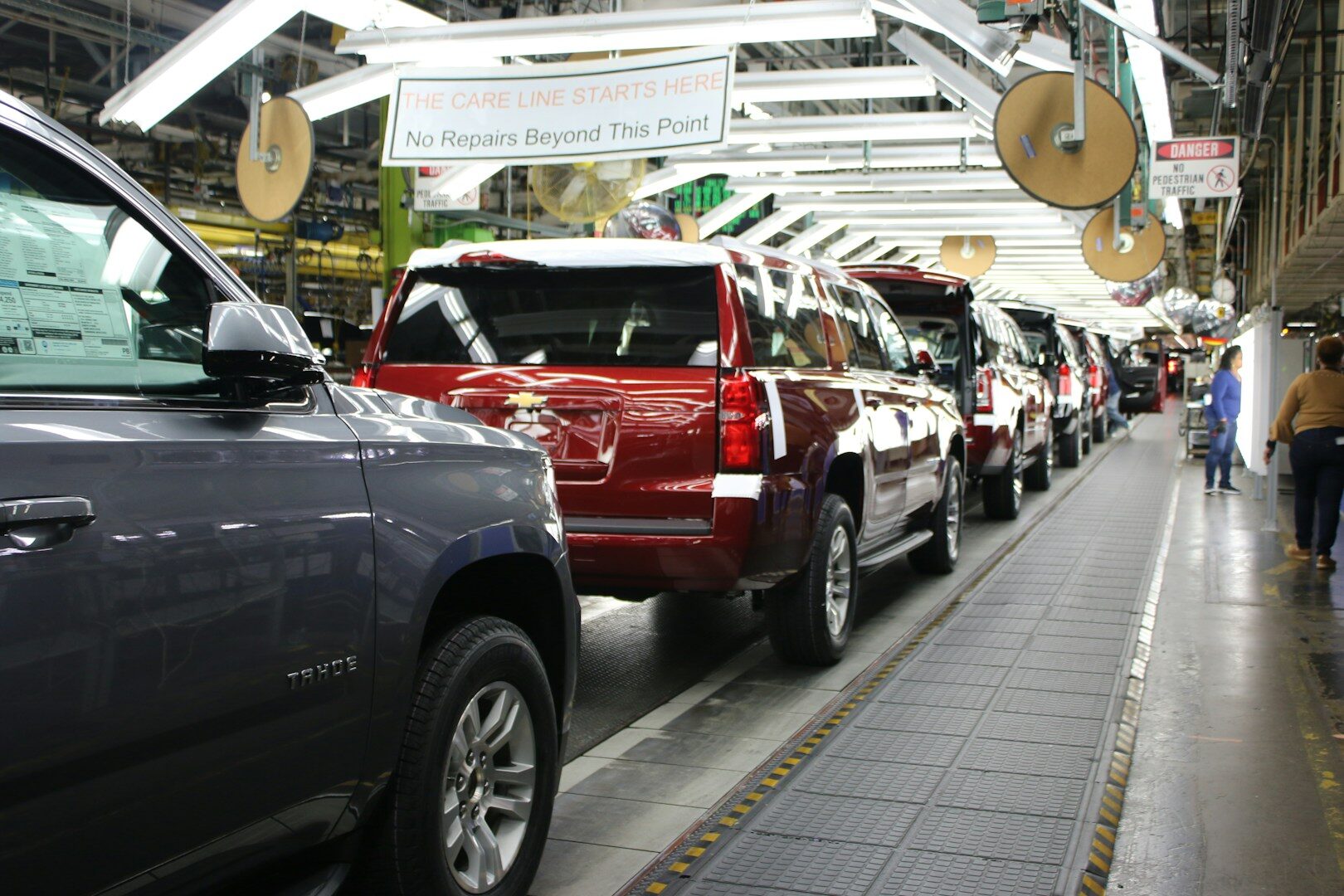
The real story is buried in one dry phrase tucked into the county’s approval paperwork. The expansion, records show, will increase engine plant capacity and “enhance model flexibility.” That bland phrase is doing a lot of work. It is the sound of Honda backing away from a bet it made on electric vehicles, and it is happening inside the same factory that already builds the company’s least electrified, most profitable vehicles in North America.
Here’s what’s actually on paper. The Talladega County Commission approved a 10-year, $11.2 million property tax abatement on July 24 for a $472 million expansion at Honda Manufacturing of Alabama in Lincoln. Three weeks later, the Alabama Department of Commerce disclosed the state’s side of the deal: a $46 million investment tax credit and roughly $4.2 million in jobs tax credits, combined state incentives north of $50 million. Add the county’s piece, and taxpayers are underwriting more than $61 million of a project Honda most likely would have built anyway.
Two hundred jobs at those wages is genuinely good news for Talladega County. It’s also a rounding error for a plant that already employs more than 4,500 people and has absorbed north of $2 billion in Honda’s investment over two decades. What actually changed here isn’t headcount. It’s the engine line itself.
This isn’t even the first time Honda has called an upgrade to this plant “flexible” and meant something bigger by it. In 2015, Honda opened a $71.4 million automated engine facility in Lincoln that it called the most advanced of its kind anywhere in the company’s global footprint, built to keep pace with an SUV boom nobody saw slowing down. A decade later, Honda is retooling again, this time to hedge against a very different kind of uncertainty.
Three months before Alabama disclosed those incentives, Honda’s global CEO stood in front of reporters in Tokyo and admitted something remarkable: Honda posted its first annual loss in nearly 70 years, driven in large part by EV-related writedowns. In the business briefing that followed, Honda didn’t just trim its EV budget, it gutted it, cutting planned EV investment roughly in half, from 10 trillion yen to about 7 trillion yen, and redirecting the difference toward gasoline and hybrid vehicles. Honda said it will make every one of its North American plants capable of building hybrids, will convert part of a joint EV battery plant with LG Energy Solution to hybrid battery production, and, this is the detail that matters for Lincoln, will launch new large hybrid models, “D-segment or above,” in North America starting in 2029.
D-segment or above is corporate shorthand for exactly the vehicles built in Lincoln, Alabama: the Pilot, Passport, Odyssey, Ridgeline and Acura MDX. None of them currently offers a hybrid variant. Toyota’s equivalent lineup, the Highlander, Grand Highlander and Sienna, has for years. That gap has cost Honda sales in the one segment where hybrid demand is strongest, and most profitable.
That’s why “enhance model flexibility” is the phrase worth circling. In manufacturing terms, it typically means retooling an engine and assembly line so it can build more than one powertrain configuration without a full shutdown, swapping in electrified components, hybrid transaxles or motor-generator hardware on the same line that currently machines V6 blocks. It’s a hedge, not a leap. Honda gets to add hybrid capability without betting an entire plant on hybrid demand materializing at the volume it needs. If Honda’s last three years with EVs taught it anything, it’s that demand curves move faster than factory floors can.
There’s a second detail worth pausing on: that $30.25-an-hour average wage. Honda Manufacturing of Alabama has never had a union. But its pay scale has moved almost in lockstep with the United Auto Workers’ 2023 contract with Ford, GM and Stellantis, which delivered raises of roughly 25% over four years. Toyota, Honda, Hyundai and other non-union transplants all raised pay within months of that contract, not out of generosity, but to keep organizers out of their parking lots. Alabama’s newest Honda jobs are a direct, if indirect, dividend of a union deal signed a thousand miles away in Detroit.
Zoom out further and the irony gets richer. Alabama has approved 23 separate incentive packages in 2026 alone, worth roughly $323.6 million in tax credits tied to $4.4 billion in new capital investment, much of it chasing the same electrified supply chain that automakers are now, in Honda’s case explicitly, walking back. Ohio and Kentucky have already lived through the other side of that trade, watching battery plants sit half-built or idle when EV demand didn’t show up on schedule. States spent the last five years competing to hand out incentives for battery plants and EV assembly lines. Now some of that same incentive machinery is funding the retreat from it.
Nobody in this deal is doing anything illegal, or even unusual. Alabama’s incentive statutes don’t distinguish between a plant built for EVs and a plant retooling away from them. But it’s a tidy illustration of how little control public incentive programs actually have over where the underlying technology goes.
None of this makes Honda’s move wrong. Reallocating capital toward vehicles people are actually buying, rather than ones regulators wanted them to buy, is basic business discipline. But it’s worth being honest about what got announced this week. Alabama didn’t win an EV factory, a new nameplate, or even much of a jobs number. It won a front-row seat to watch a 70-year-old automaker quietly pour concrete under its own retreat.
The state is calling this a jobs announcement. Honda is calling it fixing a mistake. Only one of those descriptions is going to matter in 2029, when a hybrid Pilot everyone was missing finally rolls off a line that Alabama taxpayers helped pay for.