
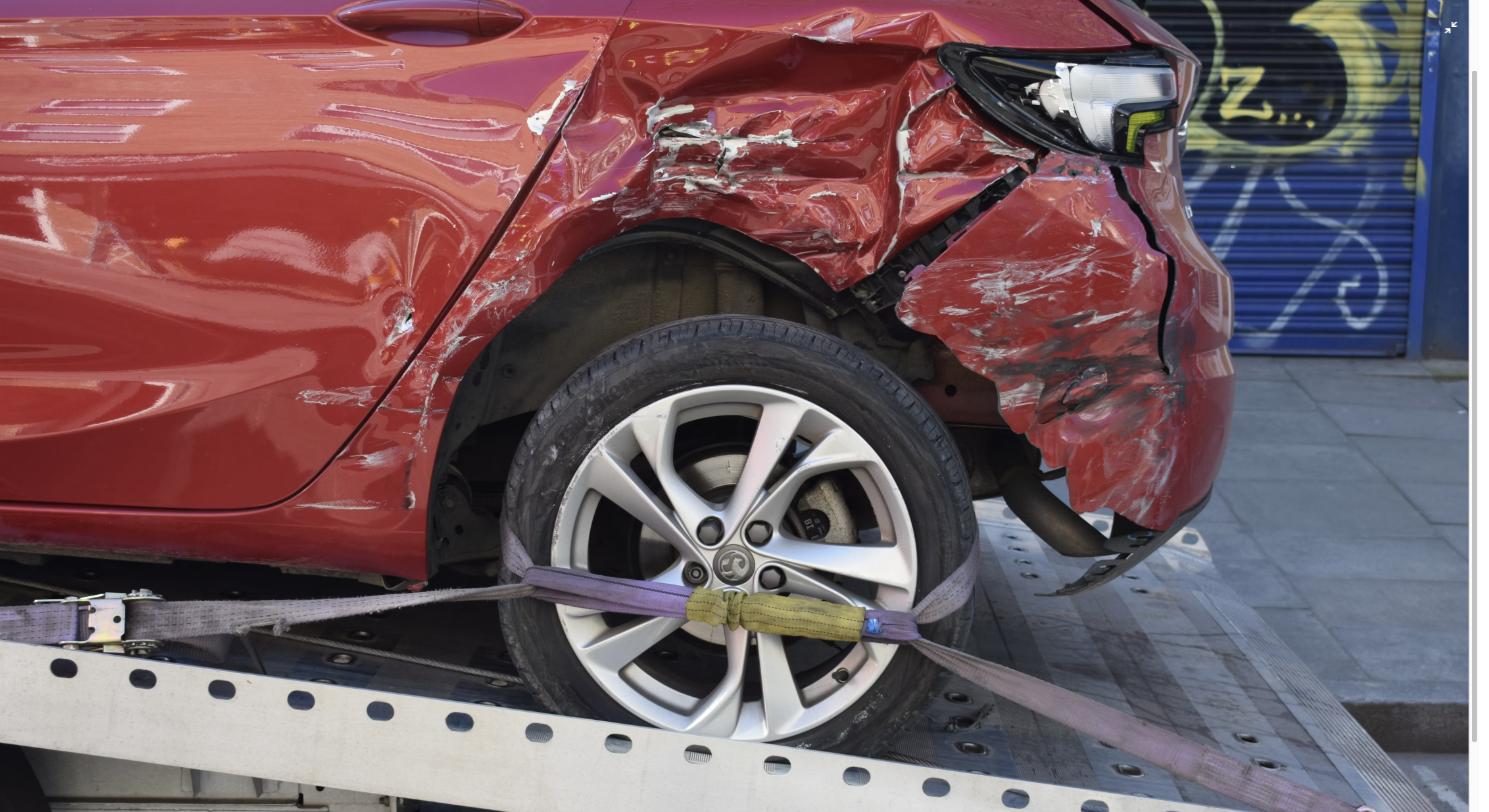
Banning a part and recalling a part sound like the same government action wearing two different hats. They are not. On August 27, in Dallas, that distinction got someone killed. A 2018 Chevrolet Equinox crashed hard enough to trigger its driver’s air bag, and instead of cushioning the driver, the inflator detonated, throwing metal fragments through the cabin. NHTSA confirmed the death on September 3. It’s the eleventh person killed by this specific counterfeit inflator since 2020, and the federal government banned the part outright earlier this year. The ban worked exactly as designed. That’s the problem.
A ban stops a part from crossing the border. It does nothing to the part that’s already screwed into a steering wheel in Ohio, or Texas, or wherever else these things ended up. Understanding why requires looking past the headline number and into how these inflators got into American cars in the first place, because it wasn’t through any assembly line Chevrolet or Hyundai ever ran.
What NHTSA Actually Disclosed
According to NHTSA’s own consumer alert, first published September 3, the agency has now tied eleven deaths and three severe injuries to air bag inflators marked with the identifier DTN60DB, a part NHTSA says was likely illegally imported. Every prior fatality happened in a Chevrolet Malibu or Hyundai Sonata. The Dallas Equinox is the first Chevrolet Equinox death and the first vehicle outside those two models. In each case, the story is identical: the car had previously been in a crash serious enough to deploy its original factory air bag, that air bag was later replaced with a DTN60DB unit, and the car crashed again. Instead of inflating, the counterfeit inflator ruptured, sending shrapnel into the driver’s chest, neck, eyes, or face.
NHTSA banned the import and sale of DTN60DB inflators earlier this year. It’s worth pausing on that: it was the agency’s first outright product ban in more than two decades. NHTSA doesn’t reach for that tool often, because it usually doesn’t need to. Ordinary recall authority is a stronger lever against a legitimate manufacturer than it is against contraband. That the agency banned this part at all says a lot about how it was classifying the problem before it ever went public.
Why a Ban Doesn’t Do What a Recall Does
A conventional recall works because the automaker knows exactly which VINs got the bad part. Every Chevrolet Malibu, Hyundai Sonata, or recalled Ram 1500 that leaves an assembly line with a defective component is tied to a build record, which is how a company can mail a letter to specific owners and tell dealers precisely what to check. That system depends entirely on the manufacturer having installed the part in the first place.
None of that applies here. GM and Hyundai didn’t install these inflators. Nobody did, on any factory floor. They arrived later, during a repair, through a supply chain neither automaker controls and neither one sanctioned. NHTSA has no build sheet to consult, because there isn’t one. It can’t send targeted recall letters because it doesn’t know which VINs are affected, which is precisely why its own consumer alert reads like a plea rather than a directive, asking owners to voluntarily get inspected instead of naming names. A ban closes the front door on future imports. It does nothing about what’s already inside eleven-plus cars on American roads today, and probably several more nobody has crashed yet.
How a Counterfeit Part Ends Up in a Steering Wheel
Here’s the detail that should actually surprise you: none of this happens to a car straight off the lot. Every documented case starts with a legitimate prior crash, one severe enough to deploy the original air bag. That’s the entry point. Once a factory air bag fires, replacing it correctly with genuine parts isn’t cheap, and insurers total out plenty of vehicles over repair estimates far smaller than that. Cars that get bought back at salvage auction and rebuilt for resale by independent shops are exactly where that math creates an opening: a counterfeit inflator stamped to look like a legitimate part number costs a fraction of what GM or Hyundai charges for the real thing.
Air bags have quietly become one of the more valuable small parts on a car specifically because they’re expensive to replace and easy to swap, which is the same economic logic that has made stolen air bags a real black-market problem in cities like Detroit for years. Counterfeit imports are the mirror image of that same market. Instead of stealing the real part, someone manufactures a fake one and sells it into the same repair pipeline, betting that a torn-out air bag module doesn’t come with a way to verify its own authenticity once it’s bolted back in.
Homeland Security, Not Just a Safety Regulator
NHTSA’s advisory doesn’t just tell owners to call its own hotline. It tells them to contact their local Homeland Security Investigations office or FBI field office, or file a complaint with the National Intellectual Property Rights Coordination Center, the same federal apparatus that handles counterfeit handbags, pirated software, and knockoff pharmaceuticals. That’s a meaningfully different posture than a standard safety recall. NHTSA isn’t treating this as a manufacturing defect that a responsible company needs to fix. It’s treating it as smuggled contraband that happens to be shaped like a safety device.
Two Automakers, Three Models, and No Shared Blame
It’s worth noting what doesn’t connect these deaths: Chevrolet and Hyundai don’t share a platform, a supplier, or an engineering team for this component. The common thread across a Malibu, a Sonata, and now an Equinox isn’t anything either automaker built. It’s the aftermarket repair channel that touched all three after their original crashes. That’s a different shape of crisis than Takata’s exploding-inflator scandal a decade ago, where a single supplier’s chemistry problem eventually forced the largest recall in U.S. automotive history across dozens of brands. This is smaller in scale, but in some ways more unsettling, because there’s no factory to hold accountable and no VIN list to mail.
NHTSA’s willingness to escalate isn’t limited to counterfeit parts, either. The same agency currently has an open investigation into Tesla’s front suspension after two prior fixes reportedly failed to resolve the underlying issue, a reminder that when the agency decides a company hasn’t actually solved a problem, it doesn’t just close the file and move on.
What This Means If You Own or Are Buying a Used Car
NHTSA’s guidance is blunt: if a used vehicle was in a crash with air bag deployment any time since 2020, and it wasn’t repaired at a manufacturer’s dealership, get it inspected before you drive it, by a professional, not yourself. The agency is explicit that owners should not attempt to inspect their own air bags, for the obvious reason that these are explosive devices and amateur disassembly is its own hazard.
Here’s the part a lot of buyers don’t realize: a clean vehicle history report will not catch this. Carfax and AutoCheck flag reported accidents and open safety recalls tied to a VIN. They have no mechanism to flag what parts a repair shop actually used to fix that accident, because that information was never public record to begin with. A car can show a prior air bag deployment, a completed repair, and a spotless recall history, and still be carrying a part the federal government has banned as lethal. The paperwork looks fine. That’s exactly what makes this dangerous.
The Takeaway
A recall exists because a manufacturer got something wrong and has to make it right. A ban exists to stop something from entering the country again. Those are both useful tools, but they solve different problems, and NHTSA reaching for the second one instead of the first is itself the story here. The agency isn’t chasing a defective supplier. It’s chasing a criminal supply chain, one part at a time, while the parts that already made it through keep riding around in ordinary cars owned by people who have no idea they’re driving with contraband behind the steering wheel. Banning a part doesn’t recall it. Eleven deaths in, that gap is the whole story.