
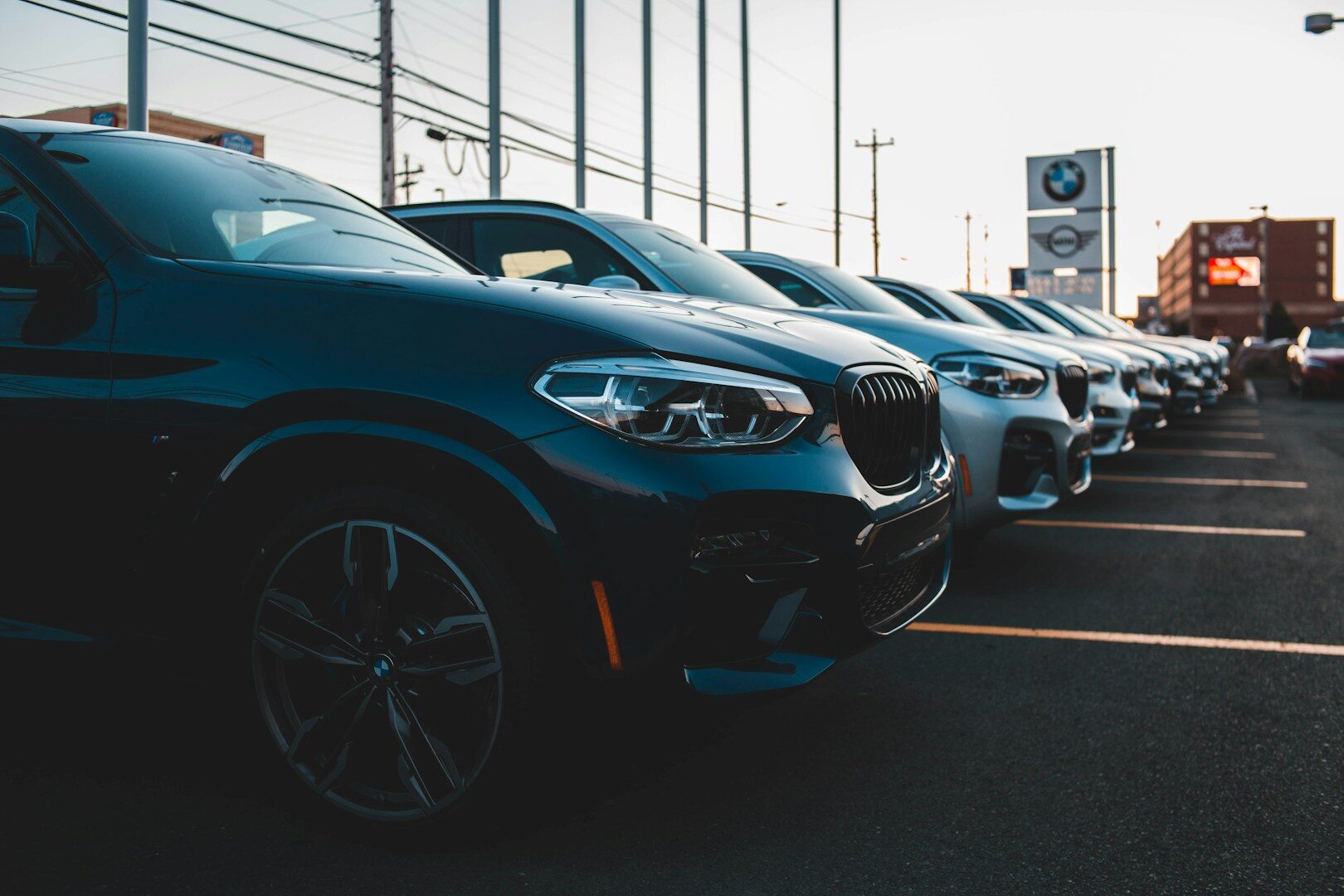
That Fake Dealership Website Wants a Wire Transfer, and There’s a Legal Reason Why
The Federal Trade Commission dropped a consumer alert on September 1 that should make anyone shopping for an old muscle car sit up. Criminals are duplicating legitimate franchise and independent dealership websites — logos, inventory pages, vehicle photography, the whole storefront — and using them to collect payment for cars that were never on any lot. The agency says the cloning is often done with AI, right down to fabricated customer testimonials, and that the fake stores lean on rare muscle cars and hard-to-find classics as bait, complete with detailed descriptions of the buying process and reassuring return policies. FTC Consumer Advice
The vehicle selection is not random, and this is the part worth understanding.
Old cars live in a verification blind spot
If someone offers you a 2024 Silverado, you can run the VIN through NHTSA’s vPIC database in about eight seconds and confirm the number decodes to the correct make, model, body style, plant, and engine. It’s free, requires no account, and it’s fed directly by manufacturer submissions under 49 CFR Parts 551–595.
But vPIC only covers model years 1981 forward. Anything built before the modern 17-digit standard simply isn’t in there. A ’69 Chevelle, a ’70 Cuda, a ’67 Mustang — those VINs return nothing. There is no federal database that will tell you whether a 13-character Chevrolet VIN corresponds to a real car or to thirteen characters someone typed into a listing template. NHTSA
Related Articles
- JLR Is Building Its Most Important SUV Ever in America — Inside a Factory It Doesn’t Even Own
- Nissan Says Business Is Growing — Its Own Spreadsheet Says Sales Just Crashed 16.5%
Title history has the same hole. The Justice Department’s National Motor Vehicle Title Information System is genuinely useful, but DOJ itself warns that some states exempt vehicles above a certain age from titling entirely and that reporting depth varies by jurisdiction. A pre-’81 car that’s been sitting in a barn since the Carter administration may have no digital footprint whatsoever. That absence looks identical whether the car is real and undocumented or fictional. VehicleHistory
Scammers understand this asymmetry better than most buyers do. They are not selling you a car you can check. They are selling you a car you cannot check, from a website you probably can.
Why the payment method is the whole scam
The FTC’s alert closes with a specific instruction: walk away if the seller demands a wire transfer. That advice is not squeamishness about old-fashioned payment rails. It’s about which body of law attaches to your money.
Regulation E, which implements the Electronic Fund Transfer Act and gives you the familiar error-resolution and liability-cap protections on debit and ACH activity, expressly excludes wire transfers. Under 12 CFR 1005.3(c)(3), any transfer through Fedwire or a similar system used primarily between institutions or businesses falls outside the definition of an electronic fund transfer. The Federal Reserve’s own Fedwire regulation states the same thing from the other direction: Fedwire transfers to or from consumer accounts are generally exempt from EFTA and Regulation E, and are governed instead by UCC Article 4A. Whether online-initiated consumer wires deserve different treatment has been litigated, but the plain-text exclusion is what most banks still operate under. eCFReCFR
Translation for the buyer: a wire is a bearer instrument with your name on the outbound side only. Once the receiving institution credits the account, your recourse runs against a shell corporation in another jurisdiction, not your bank.
A credit card is a completely different animal. Under 15 U.S.C. 1666i and its implementing rule at 12 CFR 1026.12(c), you can assert against the card issuer every claim and defense you’d have against the merchant — including nondelivery — and withhold payment on the disputed amount while it’s sorted out. The statute attaches two conditions: the transaction has to exceed $50, and it has to have occurred in your state or within 100 miles of your address. The official commentary punts on where an internet transaction “occurs,” leaving it to state law, which is a genuine gray area for a remote purchase. Still: a $2,000 deposit on plastic gives you a fighting position. A $2,000 wire gives you a police report. eCFRConsumer Financial Protection Bureau
The practical move on any remote car purchase is to put the deposit on a credit card, keep the balance in escrow with a title company or a licensed transport-and-escrow service, and never let the seller dictate the rail.
Enforcement exists. Collection is the problem.
Impersonating a business has been a standalone federal violation since the FTC’s Impersonation Rule took effect on April 1, 2024. Violators can be ordered to refund consumers and hit with civil penalties, currently up to $53,088 per violation — a real hammer, and one that doesn’t require the Commission to first obtain a cease-and-desist order. The rulemaking record also notes the rule was written to complement, not displace, trademark owners’ existing remedies under the Lanham Act and the Anti-Cybersquatting Consumer Protection Act, which matters if you’re the dealer whose storefront got Xeroxed. Federal Trade Commission
Scale-wise, the FTC reported in June that consumers lost roughly $1 billion to business impersonators in 2025, part of about $16 billion in total reported fraud losses — a record. The Justice Department has shown these rings can run big and run long: in one Southern District of Ohio prosecution, a San Francisco man drew 64 months and a $10.6 million restitution order for laundering proceeds from a fake online vehicle sales operation that took at least 850 victims nationwide, using shell-company bank accounts and a bogus claim of affiliation with eBay’s buyer protection program. Federal Trade CommissionDepartment of Justice
State regulators have been tracking the enthusiast-specific flavor for a while. Tennessee’s attorney general issued a warning in March 2026 about sites posing as classic car and heavy equipment dealers, noting the operators answer the phone, send videos, and produce counterfeit business licenses. Jonathan Skrmetti’s line was blunt: these people “don’t care one bit about your family’s financial well-being.” His office also flagged a tactic worth remembering — scammers lift names and addresses from real businesses that have already closed, so a Google Maps pin and an old news mention prove nothing. TN AG Division of Consumer Affairs Warns of Car Dealership Impersonators +2
A verification sequence that actually works
None of this requires paying for a service. It requires ten minutes and a willingness to be rude to a salesman.
Run the domain through ICANN’s lookup tool and read the creation date. A franchise store that’s been in business since 1987 does not have a domain registered in March. That single check kills most of these.
If it’s a franchised brand, find the store in the manufacturer’s own dealer locator and call the number listed there — not the number on the site you’re looking at. For independents, pull the dealer license record from the state licensing agency and the entity filing from the secretary of state’s business search. Verified entity, verified license, verified phone. Three separate systems the scammer doesn’t control.
Order the NMVTIS report from a DOJ-approved provider. One useful oddity: consumers cannot buy NMVTIS data from Carfax, DMVDesk, or Experian — those three supply dealerships only. If you want the federal title record, you have to go through the approved list.
Related Articles
- Tesla’s New ‘Chip Facility’ in Austin Is Bigger Than the Pentagon — Texas Says It Cost Just $50,000
- Chevy Camaro as a Teen’s First Car: What the Crash and Claims Data Show
Then insist on a third-party inspection. Both the FTC and Tennessee’s AG land in the same place here, and the reason it works is structural: the inspection request forces the seller to produce a physical car at a physical address on a specific day. A fictional Chevelle cannot pass that test at any price. If the seller won’t allow it, you have your answer and you’ve spent nothing.
One more free tripwire most buyers skip: before sending a dime, call your insurer and ask them to quote the VIN. Underwriting systems will balk at a number that doesn’t resolve. And think about what you’re actually buying — not a car, but a chain of title. No car means no title assignment, no registration, no legal ownership, and a voluntary outbound wire that no auto or homeowners policy is going to treat as a covered loss.
Dealers reading this: publish your official domains in your site footer, state plainly that you never require wire or crypto payment, and keep your Google Business Profile current. You are the second victim in every one of these, and right now the cleanup is on you.
Top photo: Erik Mclean on Unsplash.