
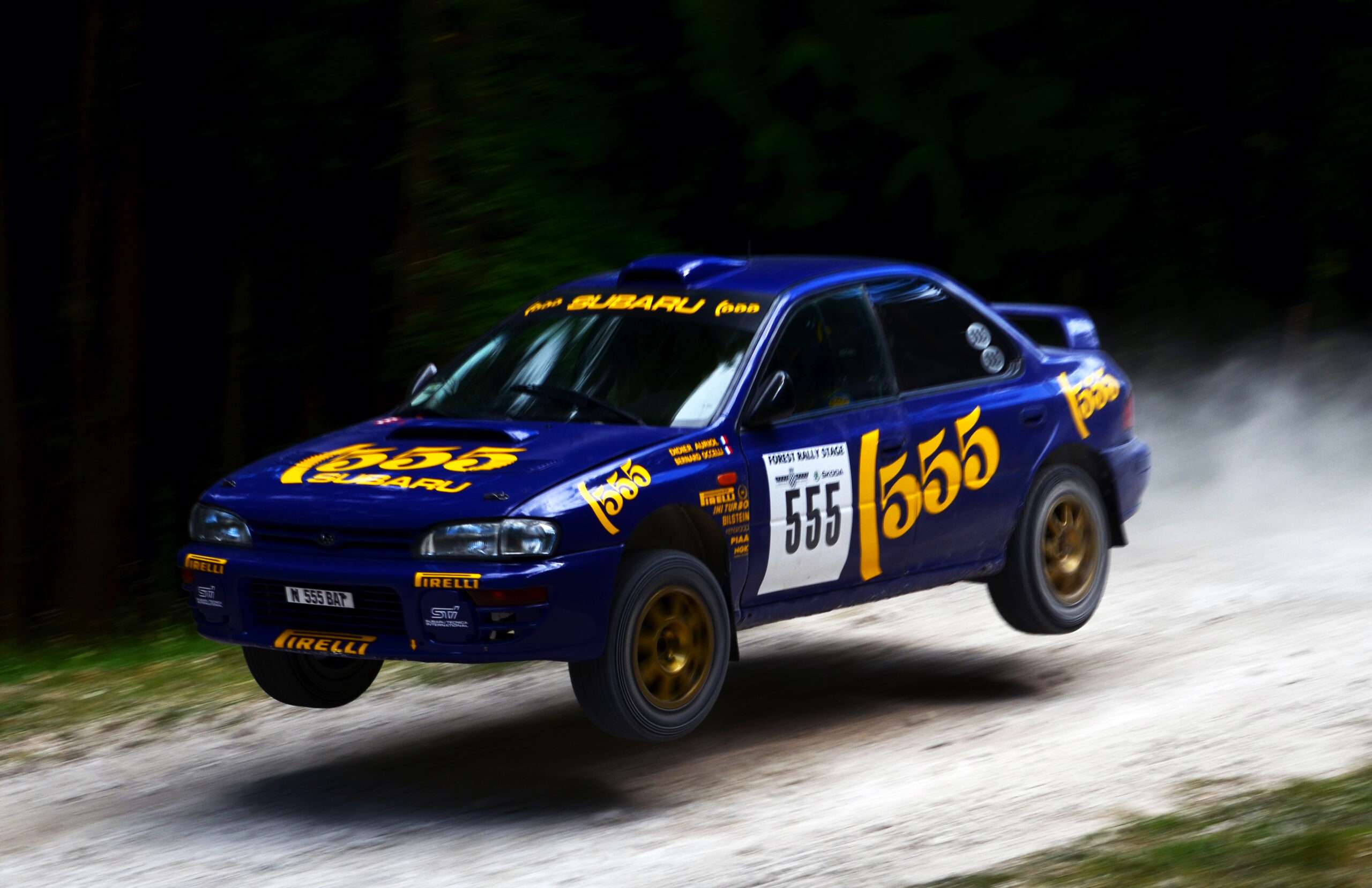
Formula 1 proved that motorsport can break into the American mainstream. Rally may be next, but only if fans can actually follow it.
The World Rally Championship is taking American soil seriously again. The FIA’s Rally USA candidate event ran June 11–17, 2026, with delegates assessing stages and infrastructure in Tennessee and Kentucky. It was organized with the Automobile Competition Committee of the United States; Podium Event Partners had been named as the proposed promoter and organizer.
That does not mean America has a 2027 WRC round. It means the path is open. Rally USA already missed the 2026 calendar after plans centered on Chattanooga and the Cherokee National Forest, and 2027 remains the ambition, not a guarantee. If it happens, it would be the first U.S. WRC round since the 1988 Olympus Rally.
The timing makes sense. Formula 1’s mainstream rise has every series, sponsor and promoter asking the same question: What is the next motorsport boom?
Rally has the ingredients of a breakout sport
Do I think the answer is rally racing and the WRC in America? Maybe.
The bull case is easy to understand. Rally is highly technical, but the technicality is visible. Driver skill is everything. A driver is managing grip, weight transfer, braking points and changing surfaces while listening to pace notes at speed. It is physics with a co-driver talking in your ear.
At the same time, rally is relatable in a way top-level open-wheel racing often is not. Rally1 machines are purpose-built competition cars, not cheap daily drivers, but their shapes and names trace back to recognizable cars. At the grassroots level, familiar platforms and obtainable parts make the path into competition feel less alien.
That combination — extreme skill in recognizable cars — gives newcomers something familiar without watering down the spectacle.
Big money helps — and changes the sport
More big sponsors and professional teams are paying attention. That is good news right up until it becomes complicated.
Grassroots teams feel the squeeze when a sport becomes truly professional. Budgets and expectations rise. The gap between a talented private team and a polished operation becomes harder to bridge. Deserving drivers can get priced out before they get a fair chance.
But better venues, more stage time, stronger safety systems and serious promotion cost money. If American rally wants a bigger platform, it has to accept some of what the big names bring. The challenge is making sure new money builds the sport instead of closing the door behind it.
Rally’s real bottleneck is visibility
For rally to become genuinely popular in America, one thing has to happen: the spectator problem must be fixed.
Without eyes on the racing, sponsors will not stay generous. If a major investment does not produce attention, the money will move somewhere else.
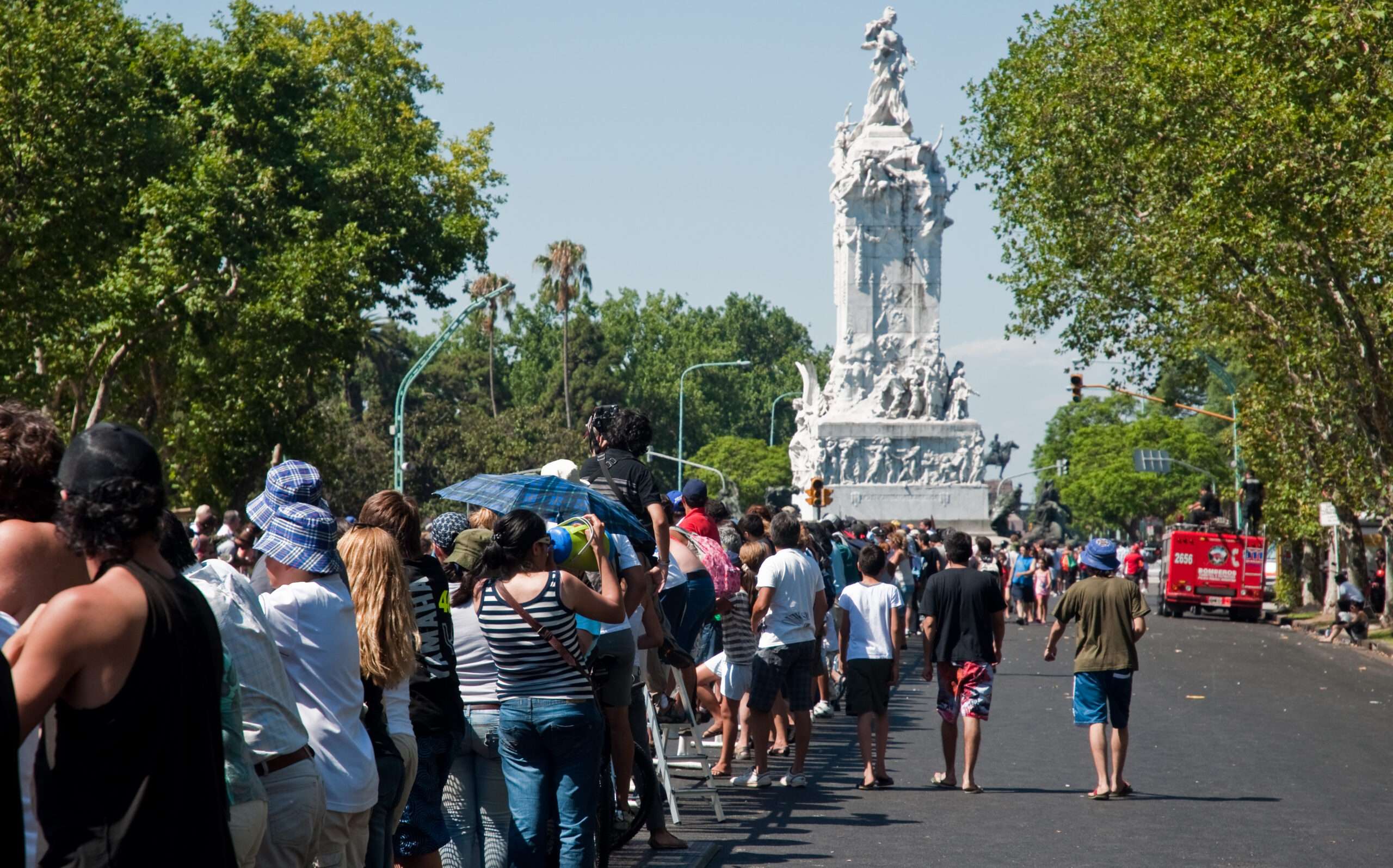
Rally is uniquely difficult to watch. A circuit keeps the field in one place; a stage rally spreads competitors and fans across miles of remote roads. That is part of its magic — and a massive distribution problem.
Overmountain showed me the gap
My experience at the Overmountain Rally in Tennessee made the problem obvious. The talent was excellent, some big names showed up, and yet locals barely knew the event was happening. Most spectators I saw were connected to a team in some way.
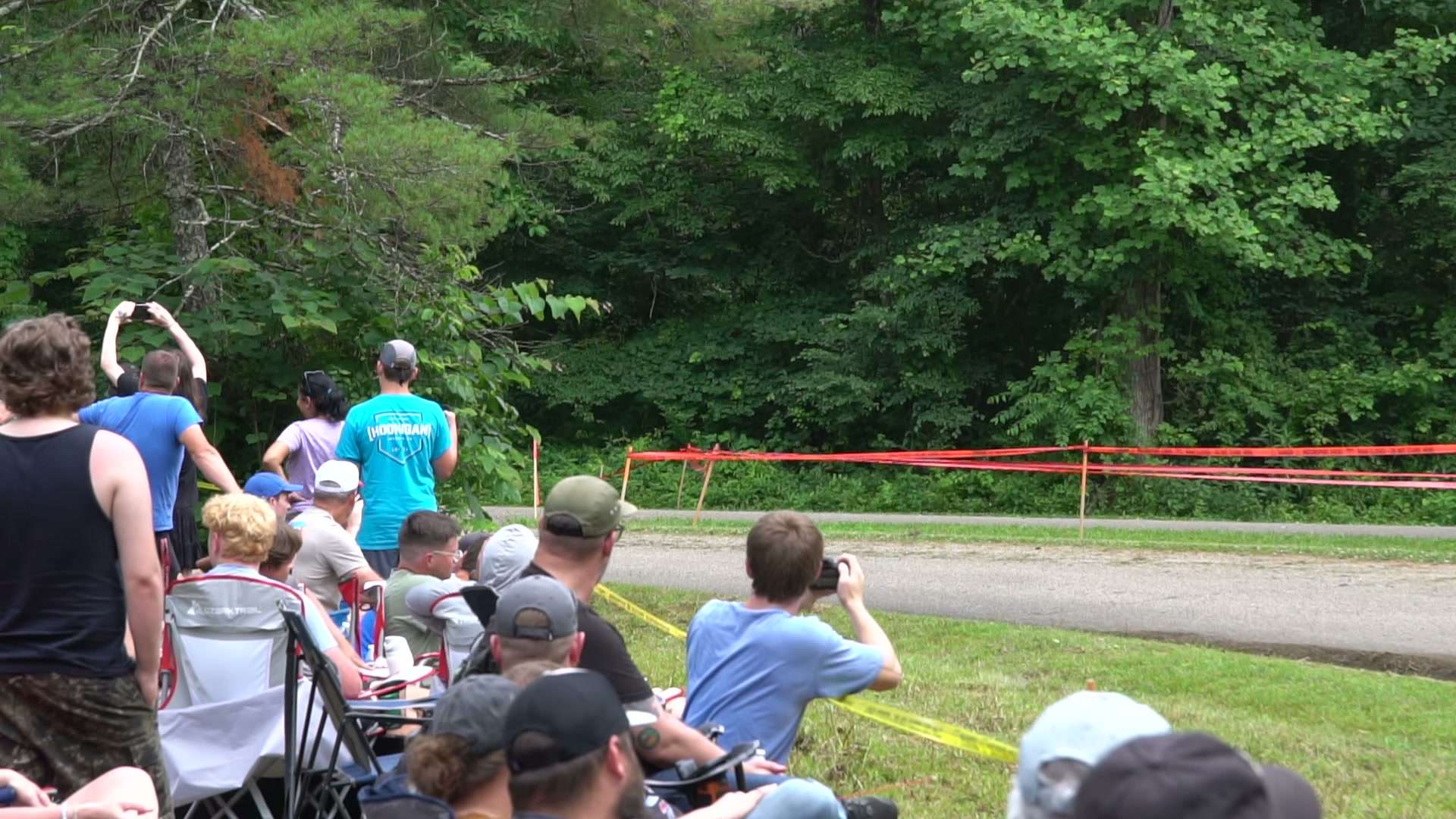
Attending the main day was roughly a 10-hour investment, and it was physically taxing to hoof it between viewing locations. A casual fan could not stumble across it on television. You either went into the woods and worked out where and when to watch, or hoped someone posted video later.
Even that was difficult. Capturing and sharing content from a mountain with little or no internet signal is not exactly a frictionless media strategy.
The racing was good enough to deserve a larger audience. The delivery system was not.
Gen Z may be the opening
The audience expressing the most curiosity about rally in America, from what I am seeing, is Gen Z. That may be an advantage. Younger fans do not need a traditional broadcast window to treat a sport as legitimate. They already follow clips, recaps, creators and onboard footage across platforms.
Rally may never be perfectly live. It may not need to be. With strong editing, multiple viewpoints and motivated promoters, the fragments could become cinema: speed, sound, weather, mistakes, recoveries and the strange trust between driver and co-driver.
“The Formula 1 lesson is not simply ‘put it on streaming.’ It is to make the stakes legible and the people memorable.”
The next motorsport boom needs a formula
Whichever series breaks through next will make a full season easy to follow. Fans will know where and when the next event happens without decoding an insider’s schedule. They will learn the terminology without feeling talked down to.
Most importantly, they will know the athletes: development arcs, winners and losers, villains and underdogs worth rooting for. A motorsport boom is built on people whose progress gives every event meaning.
Rally already has the skill, danger, machinery and scenery. A possible U.S. WRC round could provide the spotlight. But unless the sport solves access, coverage and storytelling, that spotlight may miss the audience rally needs.
So what do you think? Is rally about to have its American moment, or is the next motorsport boom coming from somewhere else?
Reporting sources: The candidate-event status, dates and evaluation process were verified against RACER, June 19, 2026, and Performance Racing Industry, June 22, 2026. The 2026 calendar miss, Chattanooga/Cherokee proposal and 2027 ambition were checked against RACER, Aug. 1, 2025. The 1988 Olympus Rally history was checked against DirtFish.