
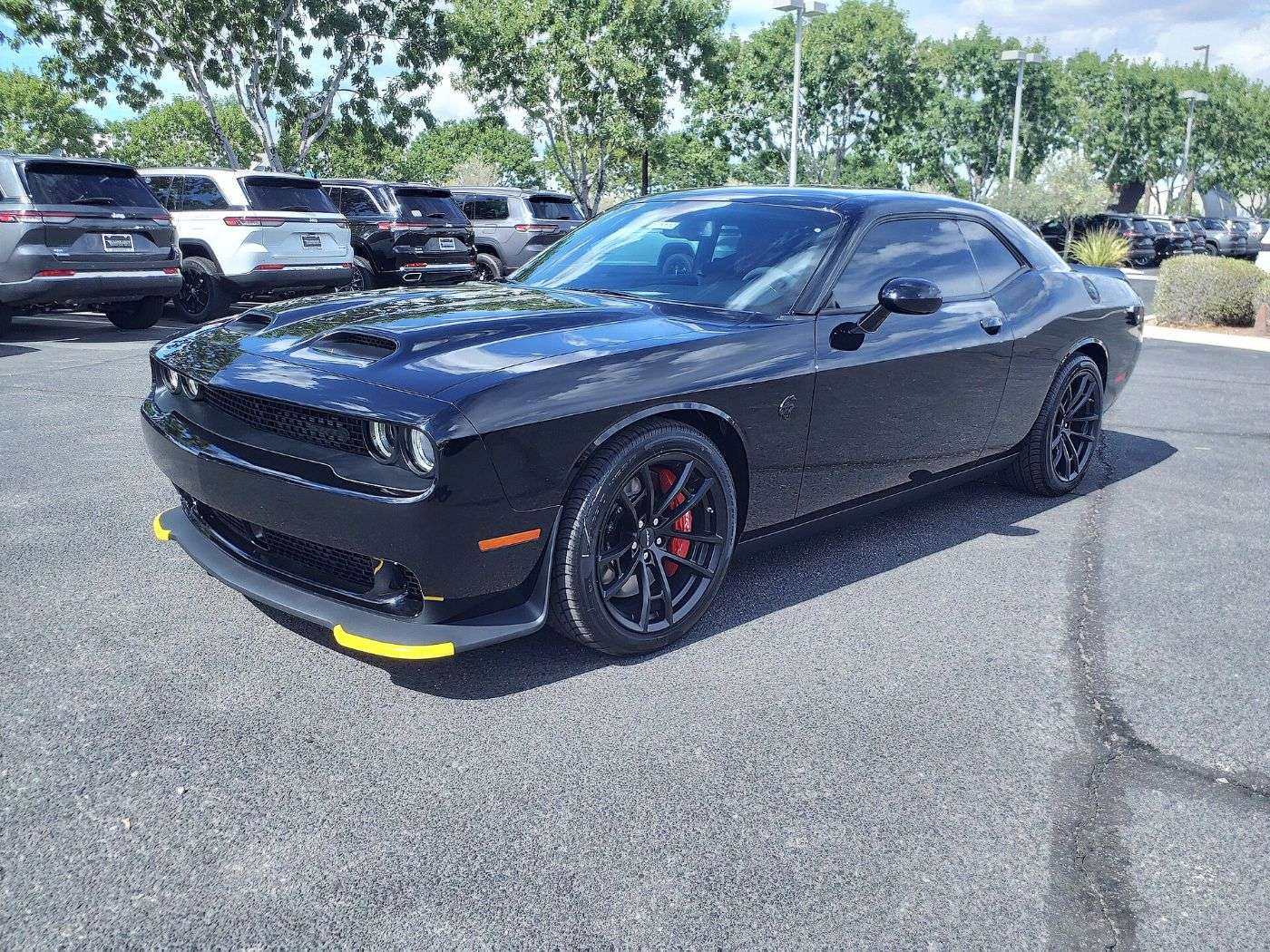
For 15 years, if you bought a new Dodge Challenger, it came from one place: Brampton, Ontario, just outside Toronto. Chargers and Chrysler 300s came off the same lines. Now the plant sits empty, the Jeep it was promised is headed to Illinois, and the company lined up to buy it doesn’t build cars at all.
It builds armored trucks.
On Sept. 11, Stellantis said it had signed a memorandum of understanding with Roshel, a Brampton-based armored vehicle maker, on a possible sale of the Brampton Assembly Plant, The Canadian Press reported. Stellantis Canada CEO Trevor Longley called Roshel “a strong path to restoring sustainable operations” at the site.
Canadian taxpayers might see it a little differently. Ottawa had already sent Stellantis roughly $222 million to help upgrade its Ontario plants, and that money was supposed to buy a future for this one.
How a Jeep plant ended up empty
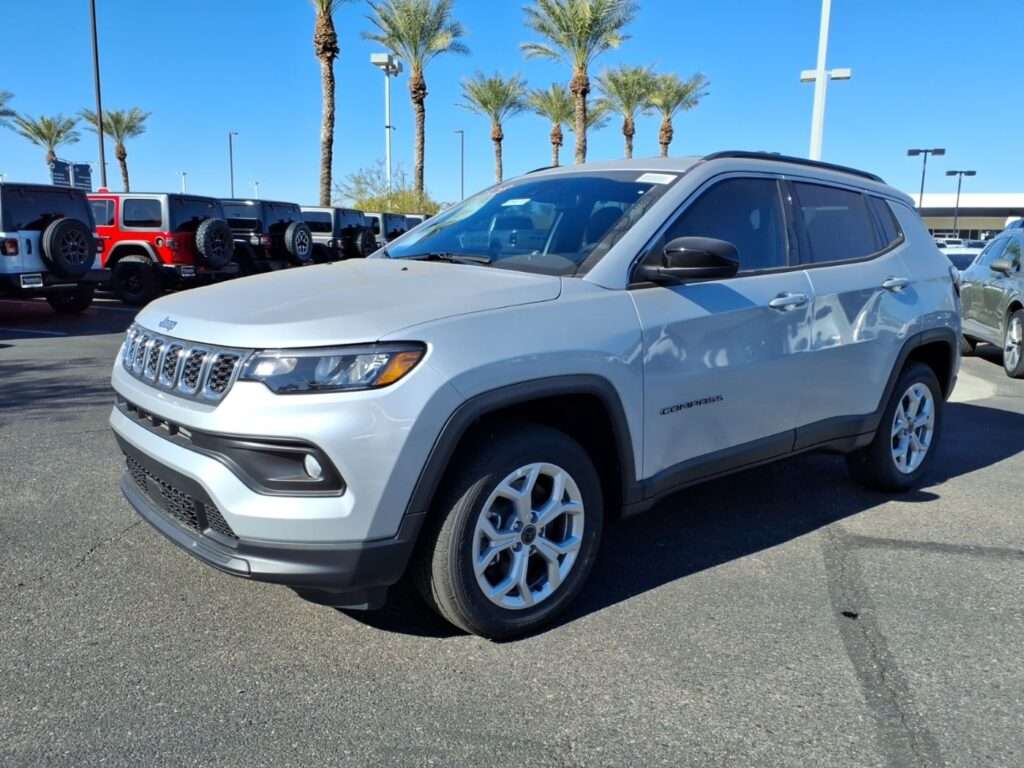
Brampton stopped building cars at the end of 2023, when the Challenger, Charger, and 300 were retired. The plan was to retool it for the next-generation Jeep Compass. That work started in early 2024. Then Stellantis paused it in early 2025, and in October 2025 it announced the Compass would be built in Belvidere, Illinois, instead, according to CBC News.
More than 2,200 members of Unifor Local 1285 have been laid off since the plant went quiet, the union says. Brampton Mayor Patrick Brown puts the total closer to 3,000 people when you count everyone waiting on an answer, plus the suppliers and small businesses around them.
The $222 million question
Here’s the part that makes this more than a sad factory story. In 2022, Ottawa agreed to give Stellantis up to $529 million (Canadian) to update its Brampton and Windsor plants. Federal accounting records show about $222 million of that had been paid out before Stellantis moved the Compass south, CBC reported last December. Ontario pledged up to $513 million too, but Premier Doug Ford has said the province never paid anything for Brampton because Stellantis didn’t hit its job and project milestones.
According to Buffalo Toronto Public Media, the 2022 financing deal is supposed to keep the plant from closing before 2035 unless there are exceptional circumstances. That clause is now the whole ballgame.
Industry Minister Mélanie Joly isn’t being subtle about it. “We want a new model from Stellantis at the Stellantis plant,” she said on Sept. 16, “and if they don’t, we’ll get our money back,” CBC reported. Ford backed her up: “We need a model, a new model, to go in there.”
Who is Roshel?
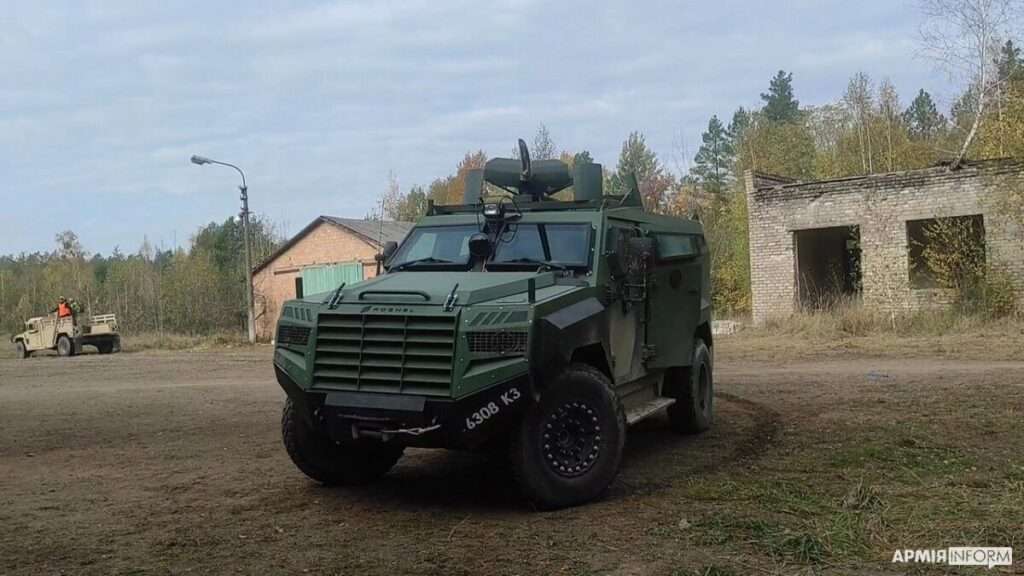
If you haven’t heard of Roshel, you’ve probably seen its trucks. The company builds the Senator, a boxy armored vehicle based on a heavy-duty pickup chassis. It has sent hundreds of them to Ukraine.
Here’s a twist most people missed. Last fall, U.S. Immigration and Customs Enforcement placed a sole-source order with Roshel for 20 Senator emergency response vehicles, valued at about $7.3 million U.S., The Canadian Press reported. ICE’s procurement document said Roshel was the only supplier that could deliver what it needed within 30 days.
So a Canadian plant that was supposed to build a Jeep for American buyers could instead end up in the hands of a company whose customers include an American federal law enforcement agency. Nobody planned that trade.
To be fair to Roshel, it’s offering real jobs. CEO Roman Shimonov said laid-off Brampton workers would get first consideration for hiring, that the company wants to bring back “over 2000 jobs,” and that it plans to make ballistic steel at the site. He pointed to Canada’s Light Utility Vehicles procurement program as a way to get people back to work as early as 2026.
Why the union won’t take the deal
Unifor’s problem isn’t Roshel’s trucks. It’s the paychecks. The union argues that defense manufacturing jobs won’t match auto assembly wages, pensions, and benefits built up over decades of bargaining, and that the plant’s supplier network depends on vehicles rolling out by the thousands.
It also claims Stellantis tried to use the sale as a bargaining chip. In a Sept. 11 statement, Unifor said the company offered the same economic deal Ford and GM workers got, but only if the union accepted Brampton’s closure. Unifor paused talks. “There will be no tentative settlement without a suitable resolution” for Brampton, the union said.
The contract expired at 11:59 p.m. on Sunday, Sept. 20. As of this week, there’s no new deal and no strike, but Unifor has said it’s considering one if the sale goes ahead. “We were supposed to be back to work right now as of today,” Local 1285 president Vito Beato said.
What this says about Stellantis
Stellantis has been busy lately. It’s reportedly putting serious money into bringing work back in-house in France, and it just booked the biggest stand at the Paris Motor Show. It clearly has money to spend. It just doesn’t want to spend it in Brampton.
I get the business logic. Tariffs made building a Jeep in Canada for American buyers a lot less attractive, and Belvidere was sitting there needing work. But you don’t get to take public money on a promise and then decide the promise was a bad idea. If Ottawa actually claws back what it paid, every automaker that asks Canada for help will remember it. If it doesn’t, they’ll remember that too.
So what do you think Canada should do here: hold out for a new vehicle, take the armored-truck jobs while they’re on the table, or go after the money?