
For seven years, the argument over the Bosch CP4 high-pressure pump in Ford’s 6.7-liter Power Stroke has lived in shop bays and forum threads, where everyone had a theory and nobody had standing. On September 30, a federal judge in Detroit gave it a docket number and five classes.
U.S. District Judge Laurie J. Michelson certified five classes of Super Duty owners in Droesser v. Ford Motor Company. The classes cover California, Louisiana, Ohio, Pennsylvania and South Carolina. Owners in those states can now pursue implied-warranty claims as a group rather than one expensive lawsuit at a time. California owners also get a claim under the state’s Consumers Legal Remedies Act.
Before you start drafting your victory email to your service advisor, read the fine print. The judge cut this class down hard.
How the pump fails
The CP4 uses diesel fuel to lubricate itself. A camshaft drives rollers and tappets that push plungers to build injection pressure. The plaintiffs argue that when lubrication runs thin, those parts grind instead of roll. That shaves off metal, which then travels downstream into the injectors and the rest of the fuel system. They value the resulting repair at roughly $9,000.
Related Articles
- Under-Torqued Bolts Trigger Blue Bird Electric School Bus Battery Recall
- Bigger Hubs, Higher Tesla Prices: Decoding America’s Q3 Fast-Charging Data
Fuel quality is the core of their case. The opinion notes that European diesel must hold a lubricity “wear scar” of 460 or less. U.S. fuel is allowed up to 520. A bigger scar means less lubricity, so American trucks run on drier fuel. The plaintiffs’ theory is that the pump simply isn’t robust enough for real-world conditions. That includes water, dirt, air and the occasional fill-up with the wrong fluid.
Ford pointed out that it ran four versions of the pump across three truck generations, called RPx, RP6, RP7 and RP8. It argued each upgrade changed failure rates. The judge wasn’t persuaded. She found that Ford had tweaked coatings, clearances and lubrication flow without redesigning the pump itself. She also noted that one change helped low-lubricity tolerance and was later partly reversed to deal with biodiesel deposits. For class purposes, it’s one alleged defect, not four.
Who’s actually in
This is where enthusiasm should meet a calculator. To qualify, you must:
- have bought a 2011-or-newer 6.7L Power Stroke truck in one of the five states;
- have already paid out of pocket for a CP4 repair;
- not have signed an arbitration agreement with the dealership;
- not already have been reimbursed by Ford.
California adds a fifth requirement: the truck must have been bought for personal, family or household use.
Owners whose pumps haven’t failed are out. The court ruled they lack legal standing. The plaintiffs’ damages expert built only a cost-of-repair model, not one measuring overpayment at purchase, so there was no basis to include them. If your truck is healthy, the risk alone doesn’t count.
The arbitration cut may be the biggest. Plaintiffs didn’t dispute that many buyers likely signed arbitration clauses in dealer paperwork. The judge excluded all of them rather than sort through the contracts one by one. If you financed through a dealer, dig out your buyer’s packet.
Indiana and New Jersey were dropped because they lost their class representatives. The proposed Indiana lead plaintiff’s claim was time-barred. The New Jersey representative’s truck had been bought and repaired by his company, not by him.
Ford’s warranty booklet gambit
Ford also cited a class-action waiver printed in its warranty booklets. The MY2011 version reads: “You may not bring any warranty-related claim as a class representative, a private attorney general, a member of a class of claimants or in any other representative capacity.”
Related Articles
- ‘I Know It’s Dumb’: Arizona Corvette Driver Raced 120 MPH on I-10, Then Asked to Keep the Car He Needs for Work
- Trump’s 50% Canadian Car Tariff Hits January 1. Here’s What Poilievre’s Auto Pact Pitch Means for Prices and Repairs
The court never decided whether that clause is enforceable. It held that Ford forfeited the argument by waiting more than six years, through costly class discovery, to raise it.
The recall wrinkle
In January 2026, Ford recalled RP7-equipped trucks and offered reimbursement for pump failures linked to biodiesel deposits. Ford argued those owners were already covered. The plaintiffs countered that the program is limited to specific diagnostic trouble codes and dealer-performed repairs. The judge resolved it by excluding anyone Ford has already fully reimbursed. RP7 owners who fell through the recall’s gaps can stay in.
What comes next
Ford isn’t conceding. On October 14, it petitioned the Sixth Circuit for permission to appeal the certification order. That court has vacated auto-defect class certifications before, and it could pause or reshape this one. The same day as the class ruling, Judge Michelson also issued a summary judgment order that granted part of Ford’s motion and denied part of it. The court also gave both sides 30 days to propose a plan for notifying class members.
What owners should do now
- Keep every receipt. The damages model is built on what you actually paid, so invoices, tow bills and parts receipts are worth money.
- Document your maintenance. Ford’s main causation defense is owner neglect. Its examples include ignoring the water-in-fuel light, skipping fuel filter changes and pouring DEF into the fuel tank. Proof that you drained the water separator and replaced filters on schedule is your best counterargument.
- Check your purchase contract for an arbitration clause before assuming you’re included.
- Shoppers, ask questions. When buying a used Super Duty, ask whether the pump has been replaced, with what version, and who paid for it. A documented failure-and-repair history may now carry legal weight as well as mechanical meaning.
The case doesn’t say the CP4 is defective. It says owners in five states get to try proving it together instead of eating a roughly $9,000 repair one truck at a time. Ford is already asking the Sixth Circuit to undo it. If you own a 6.7L, did your pump make it, and did the dealer ever blame the fuel?
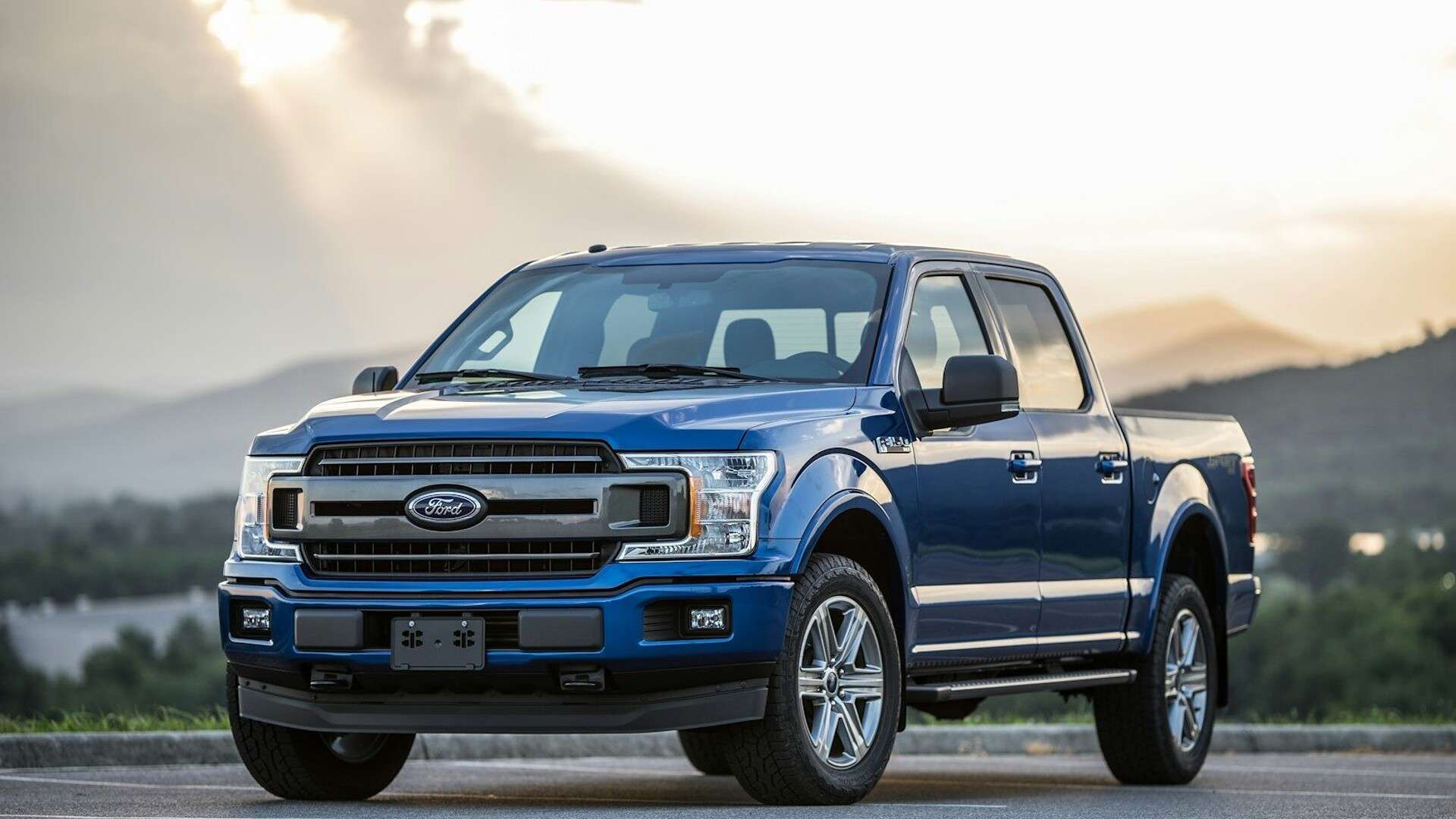
Top photo: Caleb White on Unsplash.