
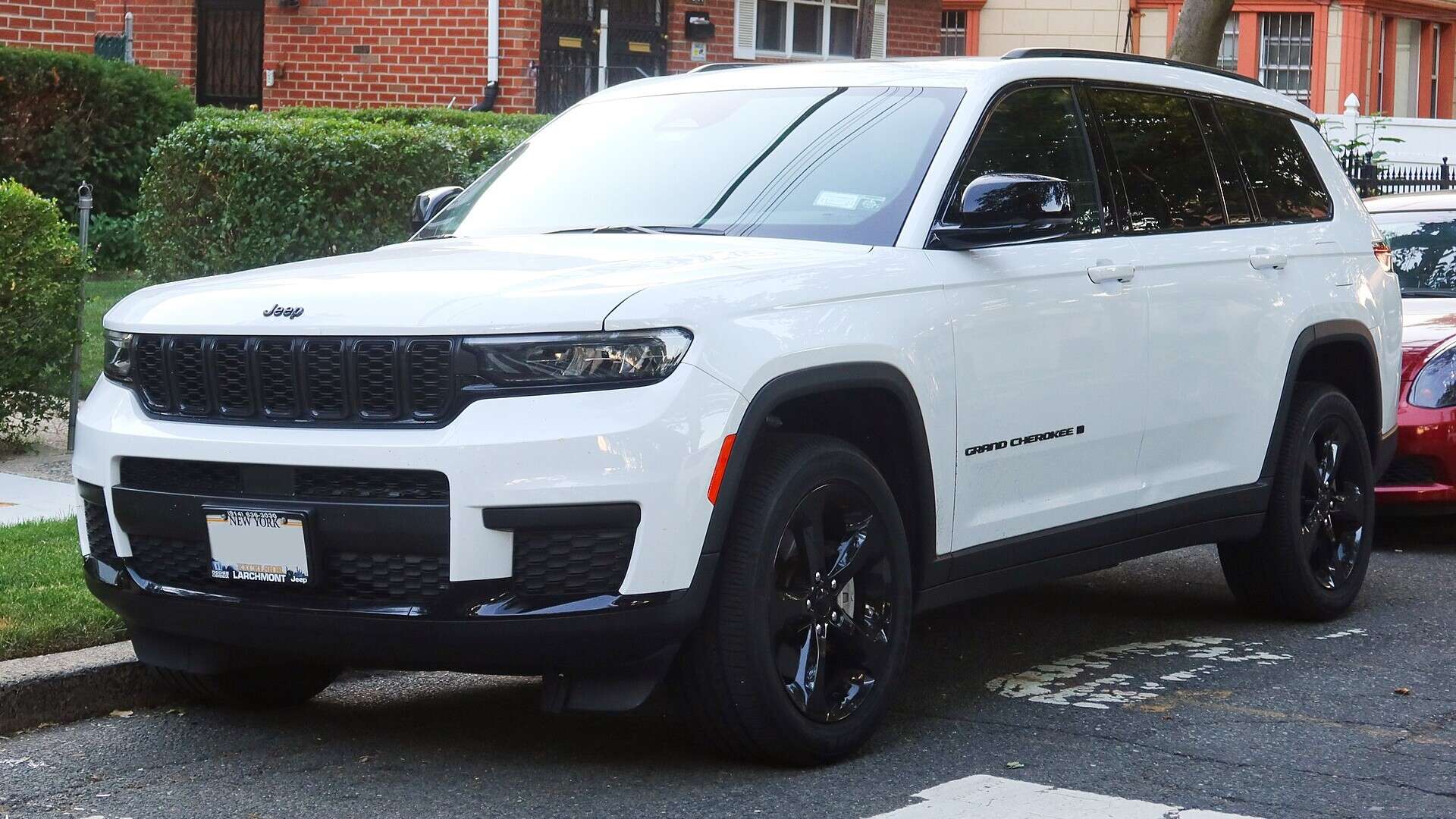
At the end of September, Toyota dealers nationwide had enough new vehicles on hand to cover 35 days of sales at the current pace. Jeep dealers had 169 days’ worth. Those two figures, from Cox Automotive’s September new-vehicle inventory report, explain more about this fall’s car market than the national average does, and a good deal more than the “breaking point” videos making the rounds on social media this month.
The national figure is 82 days of supply, spread across 2.80 million unsold new vehicles. That is up from 75 days in August, and the jump is what set off the alarms. It is also lower than the 87 days the industry carried in September 2025. Cox counted 1.9% fewer new vehicles on dealer lots than a year earlier, while the daily sales rate ran 4% higher. An industry selling more cars out of a smaller pile than last year has a distribution problem, and the problem is concentrated in a handful of brands and in the upper price bands. Most of the deals shoppers keep hearing about are there, and automakers are already working to shrink them.
Jeep, Ram and Dodge carry the heaviest stock
Cox’s brand table splits the market cleanly. Toyota sat at 35 days, Lexus at 41, Honda at 48 and Subaru at 59. At the other end, three Stellantis brands led the industry: Jeep at 169 days, Ram at 152 and Dodge at 149. Buick followed at 124, GMC at 106 and Ford at 101.
The model figures are starker. A Toyota RAV4 shopper faced 24 days of supply in September, a Camry shopper 22 and a Grand Highlander shopper 25. The Jeep Grand Cherokee had 179 days, the Wrangler 162 and the Ram 1500 142. Those are some of the highest-volume vehicles in the country, and they are moving at very different speeds.
Price draws the same line. Cox put vehicles at $30,000 or less at 63 days of supply and those between $30,000 and $40,000 at 68. Supply climbed with every step up the price ladder: 91 days from $50,000 to $60,000, 99 days from $60,000 to $80,000 and 111 days above $80,000. Vehicles under $40,000 made up about 31% of what was for sale. Erin Keating, the Cox executive analyst who wrote the report, summed up the result in one line: “The market also remains sharply divided.”
Days’ supply is a ratio. It divides the vehicles on hand by how many sold per day recently, so it rises when inventory grows, when sales slow, or both. September had both. Inventory rose 4.5% from August and the daily sales rate fell 3.4%, to 34,300 vehicles. The calendar played a part too. Cox noted that Labor Day weekend sales fell inside September’s reporting period this year but landed in August last year, which flatters the year-over-year comparison. Different counters also use different math. AutoNation reported its own new-vehicle supply at 53 days on June 30, measured in what its second-quarter earnings release calls the “industry standard of selling days.” A single days’-supply figure, quoted without its source or its method, tells you less than it seems to.
Every day a car sits, the dealer pays interest on it
Dealers rarely own the new cars on their lots outright. They finance them through floorplan loans, often from the automaker’s own finance arm or a bank, and pay interest from the day a vehicle arrives until the day it sells, so a slow-selling car means a loan that keeps accruing.
AutoNation’s filing puts a price on that. In the quarter ended June 30, 2026, the dealer group recorded $42.0 million in new-vehicle floorplan interest expense while retailing 63,240 new vehicles. That works out to roughly $664 of interest for every new vehicle it sold (The Auto Wire’s math, not the company’s). In the same quarter, AutoNation’s gross profit per new vehicle retailed fell to $2,381 from $2,785 a year earlier. New-vehicle floorplan interest equaled about 28% of its $150.6 million in new-vehicle gross profit. Automakers soften some of that with floorplan assistance, which AutoNation’s quarterly filing lists among the amounts manufacturers owe it, but the interest is billed to the store.
Interest builds by the day, so a vehicle that takes three times as long to sell costs roughly three times as much to carry. That is where the negotiating room on an aging Grand Cherokee comes from, and it is also why the same store will work harder to make up the difference elsewhere. Squeezed new-car margins are one reason dealer groups are leaning on the finance office, where a discount on the sticker can come back as a rate markup or an add-on product.
Stellantis is draining the Jeep backlog at the factory
The automaker with the most cars sitting on lots is not trying to fix the problem with big discounts. It is shipping fewer of them. Stellantis said on Oct. 13 that its third-quarter North American shipments fell to an estimated 357,000 vehicles from 404,000 a year earlier, a 12% drop. The company attributed it mainly to planned production downtime that largely hit Jeep models, with Grand Cherokee and Compass shipments each down about 25,000 units. Ram shipments rose about 17,000.
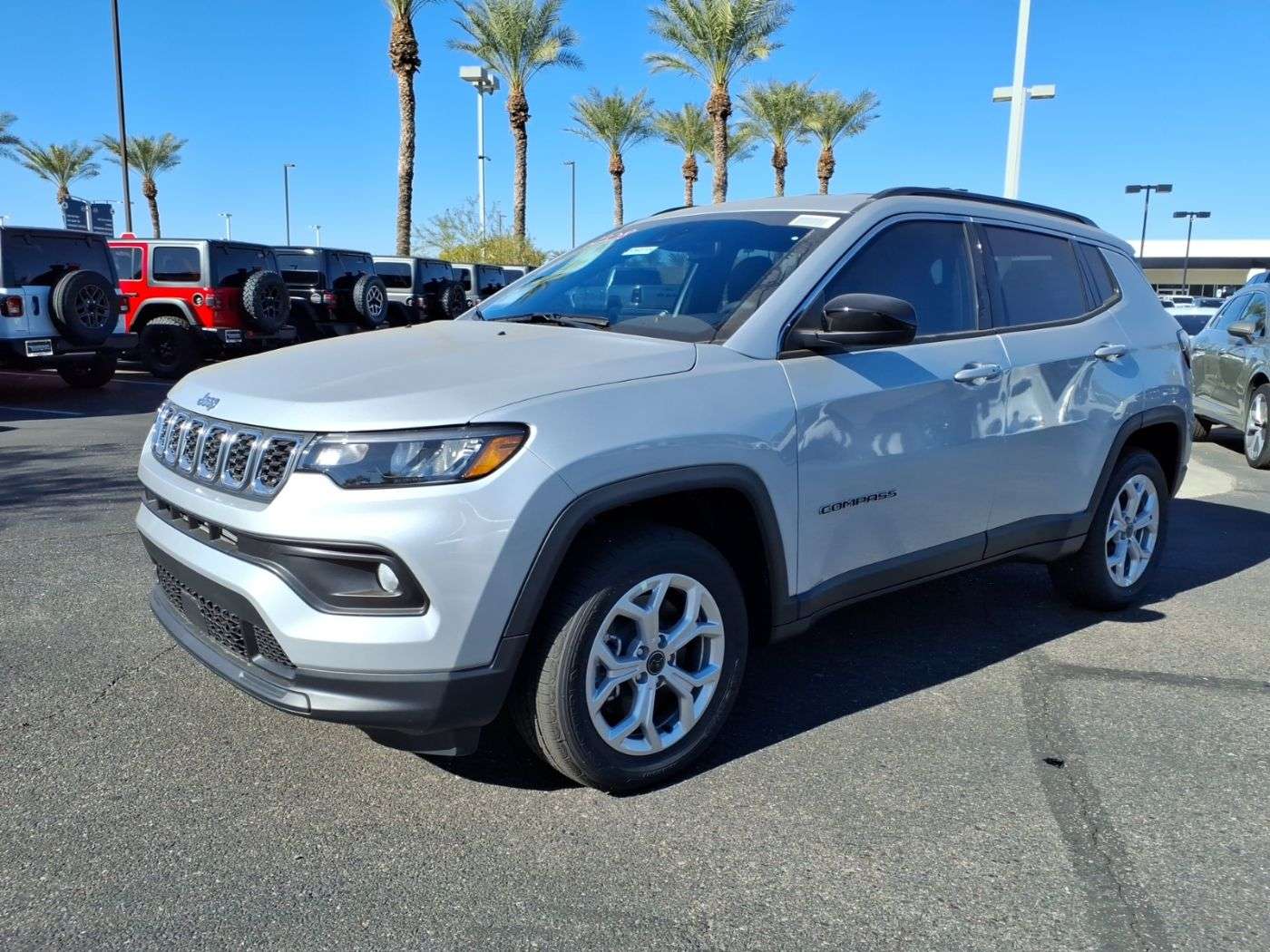
Shipments are what an automaker invoices to dealers, so cutting them goes straight at the 169-day pile. Retail demand did not disappear. Stellantis reported 324,277 U.S. sales in the third quarter, steady with a year earlier, and said Ram 1500 total sales rose 73%. The Ram’s 142 days of supply sits alongside those sales gains and the 17,000 extra trucks Stellantis shipped, which points to a company building aggressively for a product that is selling, while pausing production of two Jeeps that were not keeping up.
The broader industry is not spending its way out either. Kelley Blue Book’s September transaction-price report put incentives at 6.6% of the average transaction price, or about $3,359 per vehicle. That was up slightly from August but down from 7.3% a year earlier, and the dollar figure was 8.8% lower than September 2025. When automakers manage a surplus by trimming output instead of raising rebates, the window for buyers gets shorter.
Shoppers under $40,000 are on the tight side of the market
The average new vehicle sold for $50,562 in September, according to Kelley Blue Book, $52 short of the record set in December 2025. Keating wrote in that report: “Consumers don’t buy the industry average. They buy a vehicle, and prices for many of the vehicles they’re shopping are continuing to move higher.” The average stayed close to flat year over year mainly because more buyers moved down into cheaper segments.
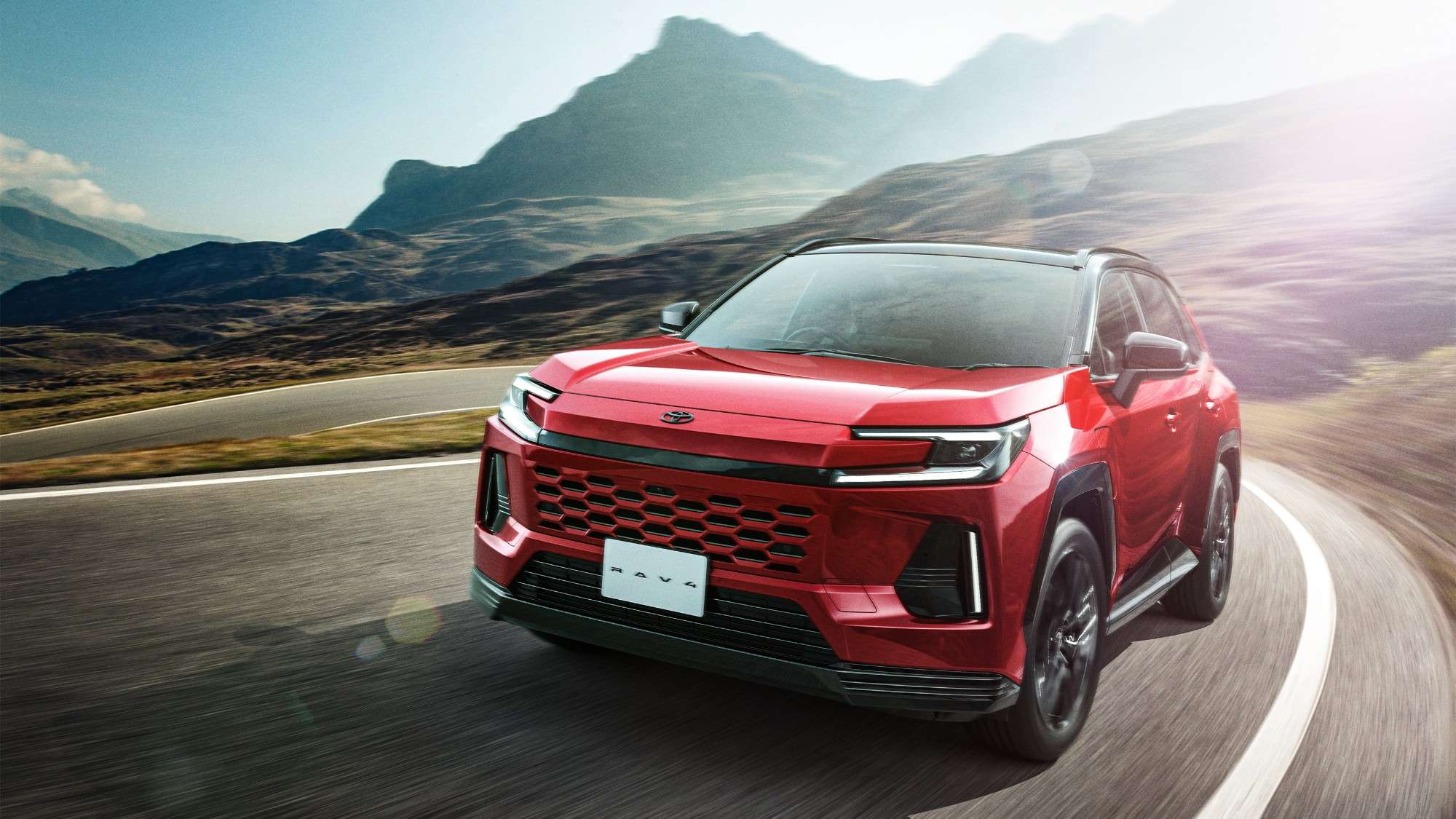
Those cheaper segments are where inventory is thinnest. The Cox Automotive/Moody’s Analytics Vehicle Affordability Index put the typical new-vehicle payment at $776 in September, the highest since December 2023, and estimated it took 35.72 weeks of median income to buy the average new vehicle. The index’s average loan rate was 9.45%, calculated on a 72-month fixed-rate loan. A family hunting for a $28,000 compact or a RAV4 is shopping in a 24-to-68-day market, where pushing harder on price gets little. The same squeeze shows up on the used side, where lots are fuller than last year but cars under $15,000 are scarce, and in household balance sheets, where auto debt has reached $1.71 trillion.
What to watch: leftover 2026s and Jeep’s next number
Model-year 2027 vehicles made up 22.4% of inventory at the end of September, up from 12.4% in August but far behind the 38.3% next-model-year share a year earlier. Cox tied the slower changeover to a lighter product cycle and to tariffs, which are pushing automakers to localize supply chains and simplify powertrains and options. A slow changeover means more 2026 models stay on lots deeper into the fall, each one still accruing floorplan interest. For anyone shopping a Grand Cherokee, Wrangler, Ram 1500 or a vehicle above $60,000, that combination of old-model-year stock and daily interest charges is real leverage this quarter.
Cox’s October inventory report, expected next month, will show whether Stellantis’ production downtime pulled Jeep below 169 days. If Jeep’s supply falls sharply while incentives stay near 6.6%, the excess will have been cleared at the factory rather than through discounts, and the best deals on those models will already be gone by the holidays. If Jeep stays high and incentives climb, buyers will get the clearance sale the viral videos promised, just on fewer nameplates than they suggested.
Are you finding real discounts on slow-selling models this fall, or are the cars you want still going for sticker?