
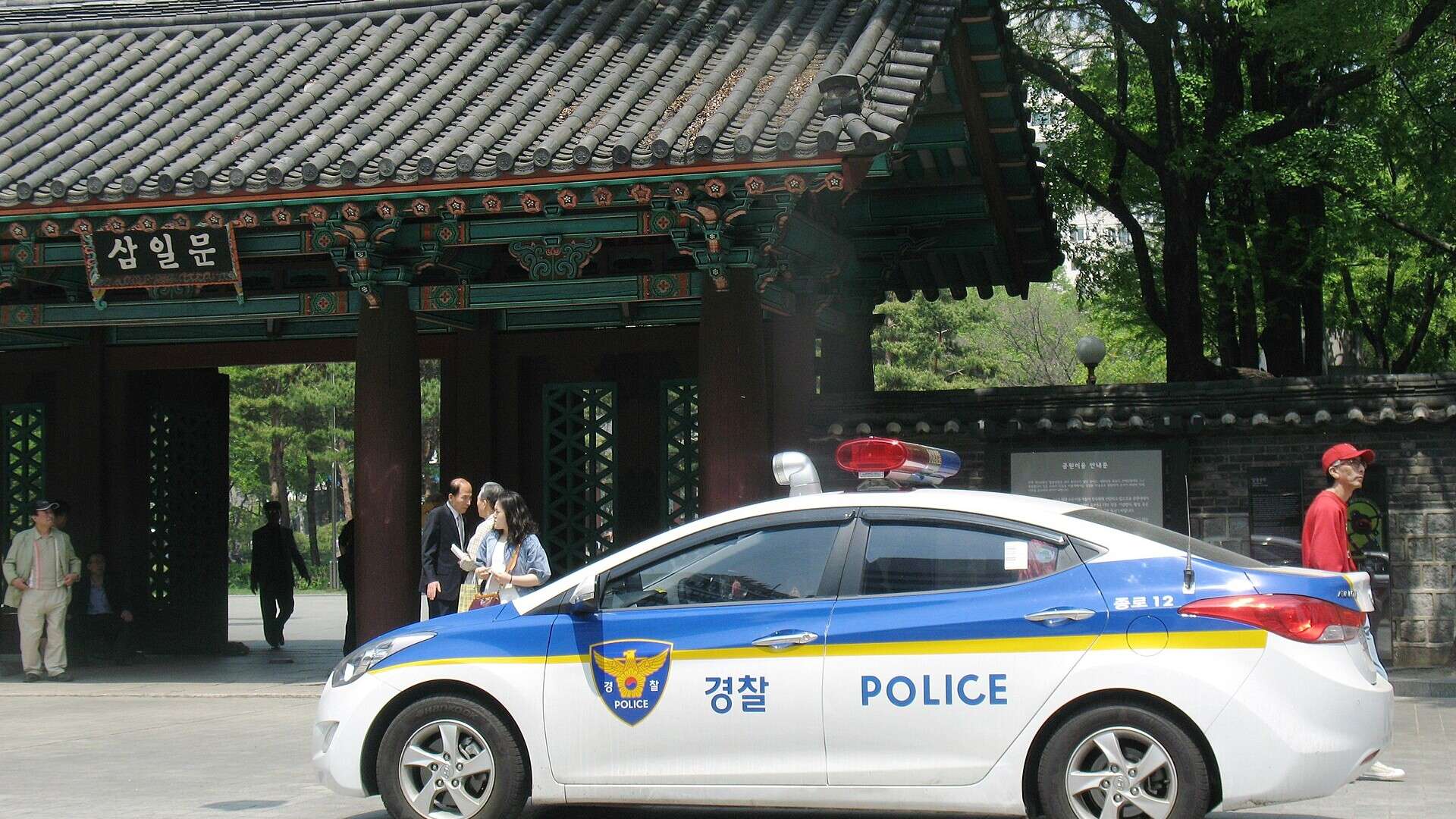
The Seoul Metropolitan Police Agency said Tuesday that its traffic crime investigation team has booked 80 people for switching on Tesla FSD without authorization, using devices bought in Europe or China or built at home, and that it seized 21 of the devices. In Korea, booking means police have sent the case to prosecutors. Nobody has been convicted of anything, and the English-language reports on the case carry no statement from Tesla or from any of the suspects’ lawyers.
What police say the 80 did
Police call the practice jailbreaking, meaning the removal of software limits set by the manufacturer. According to the Korea JoongAng Daily, one suspect bought a European-made device and connected it to their own Tesla. Another, who works in IT, allegedly built a device using information found on GitHub. Police also said suspects swapped tips in online communities, including how to keep the activation from leaving a record in the car, and the Kyunghyang Shinmun reported that investigators confirmed the offenses through those posts and other materials.
The Ministry of Land, Infrastructure and Transport asked police to investigate in April. Police said the Korea Transportation Safety Authority provided technical advice. They also cited safety risks: a car running FSD this way may fail to recognize driving conditions properly or act against what the driver intends. The same Kyunghyang report says police are aware of no accident caused by an unauthorized activation.
Why one in five Teslas in Korea can legally run FSD
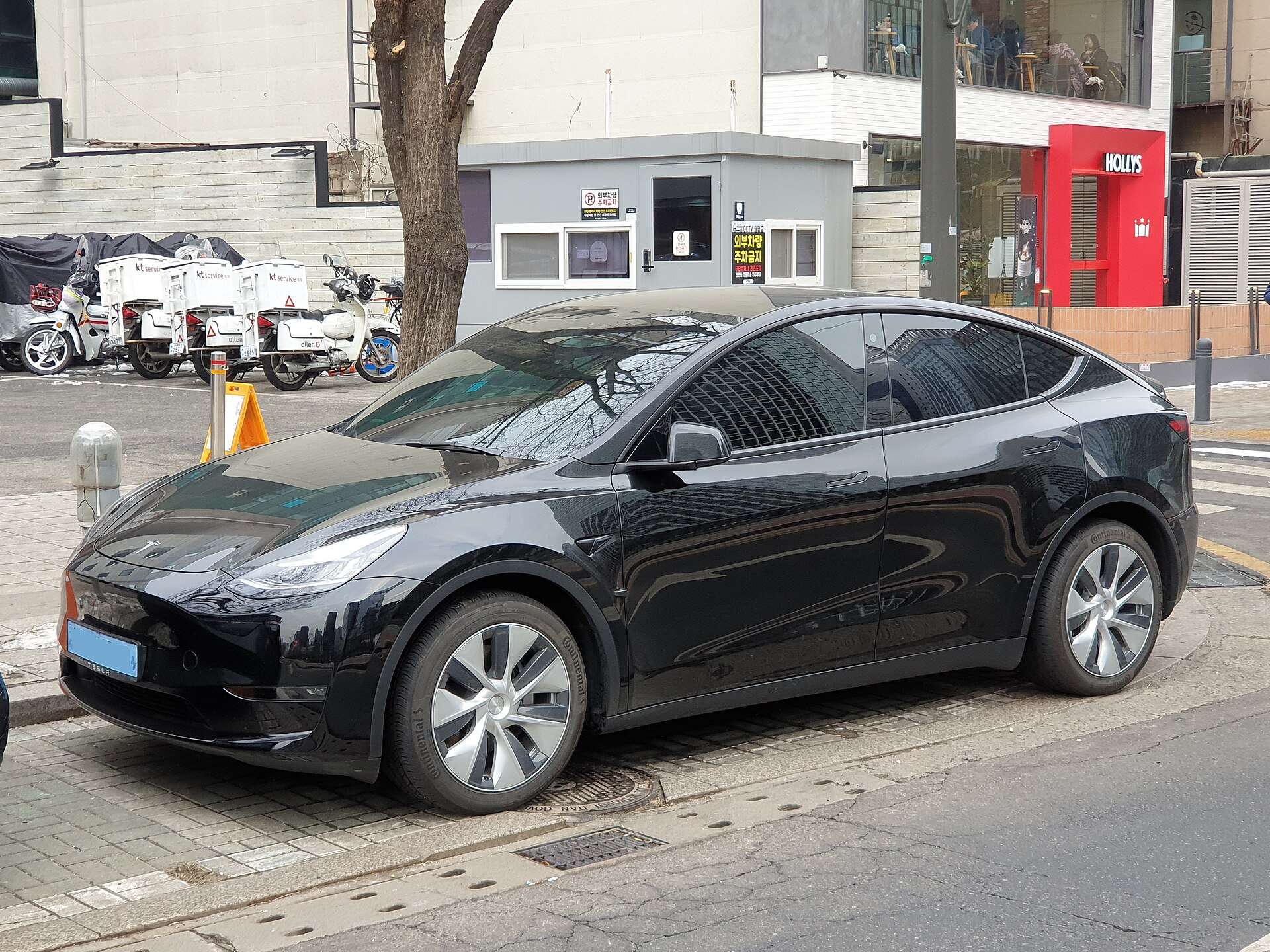
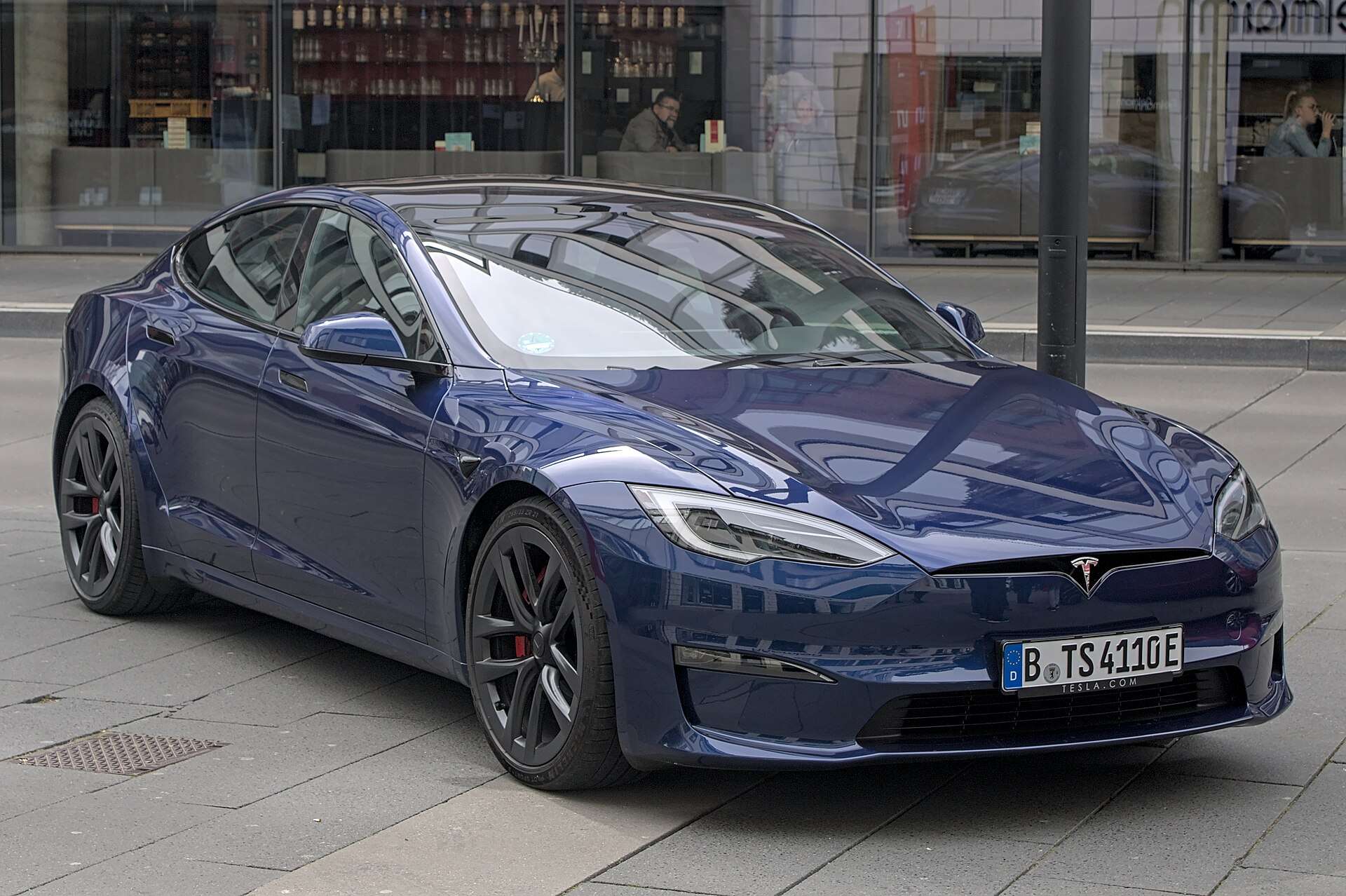
As of August, 47,458 of the 229,311 Teslas on Korean roads, or 20.7 percent, could legally use FSD, according to Carisyou Data Lab figures cited by the JoongAng Daily. The line between legal and illegal does not follow what an owner paid for the car. It follows where the car was built. FSD is legal on the U.S.-built Model S, Model X and Cybertruck, which are exempt from Korean safety certification under the Korea-U.S. free trade agreement. The China-built Model 3 and Model Y have not passed Korea’s safety standards, and Seoul Economic Daily reported that those cars are sold without the feature enabled.
That exemption rests on the manufacturer’s own compliance claims. In an account of this month’s National Assembly audit, TechTimes reported that transport ministry officials told lawmakers they had done no independent road testing of FSD under the trade agreement, and had concluded that the two FSD versions running in Korea do not meet domestic standards. The same report says authorities had documented 85 cases of attempted illegal activation as of April 28, so attempts predate the bookings. Those figures come from that report, and I have not seen the audit record itself.
The Tesla FSD unlock and the statute behind it
The charge is a violation of the Motor Vehicle Management Act. Article 80, item 4-2 covers anyone who, in violation of Article 35(2), arbitrarily changes, installs, adds or deletes software that can affect a vehicle’s safe operation. The penalty is up to two years in prison or a fine of up to 20 million won, about $15,000 according to the JoongAng Daily. I read the provision on a Korean legal-text site, and the official text controls.
The wording matters more than the penalty. The provision turns on software that can affect safe operation, so it asks who authorized the change, not whether anything went wrong afterward. Police have said they know of no crashes tied to these activations, and the provision as written does not require one. Two years and 20 million won are also ceilings, and none of the reports says what prosecutors plan to seek.
What the case means beyond Korea
These devices exist because the feature is a software setting that varies by country, and regulators in different places have already shown they treat it as a regulated product. The Auto Wire reported this month that Tesla dropped the “Full Self-Driving” name in Europe after Germany objected, and that a U.S. appeals court vacated certification of a class action over what buyers were promised about FSD. Korea is aiming criminal law at the person who flips the switch, not the company that sells the car. Whether a gray-market unlock would be a crime in another country depends on that country’s statutes, and the Korean reports do not address it.
Prosecutors now decide whether to indict any of the 80. The lawful route for the China-built cars is certification, and the same audit report says Tesla Korea’s chief executive committed under oath to seek it.
If the hardware is already in a car you own, is switching the feature on a crime, or a problem for the automaker and the regulator to sort out?