
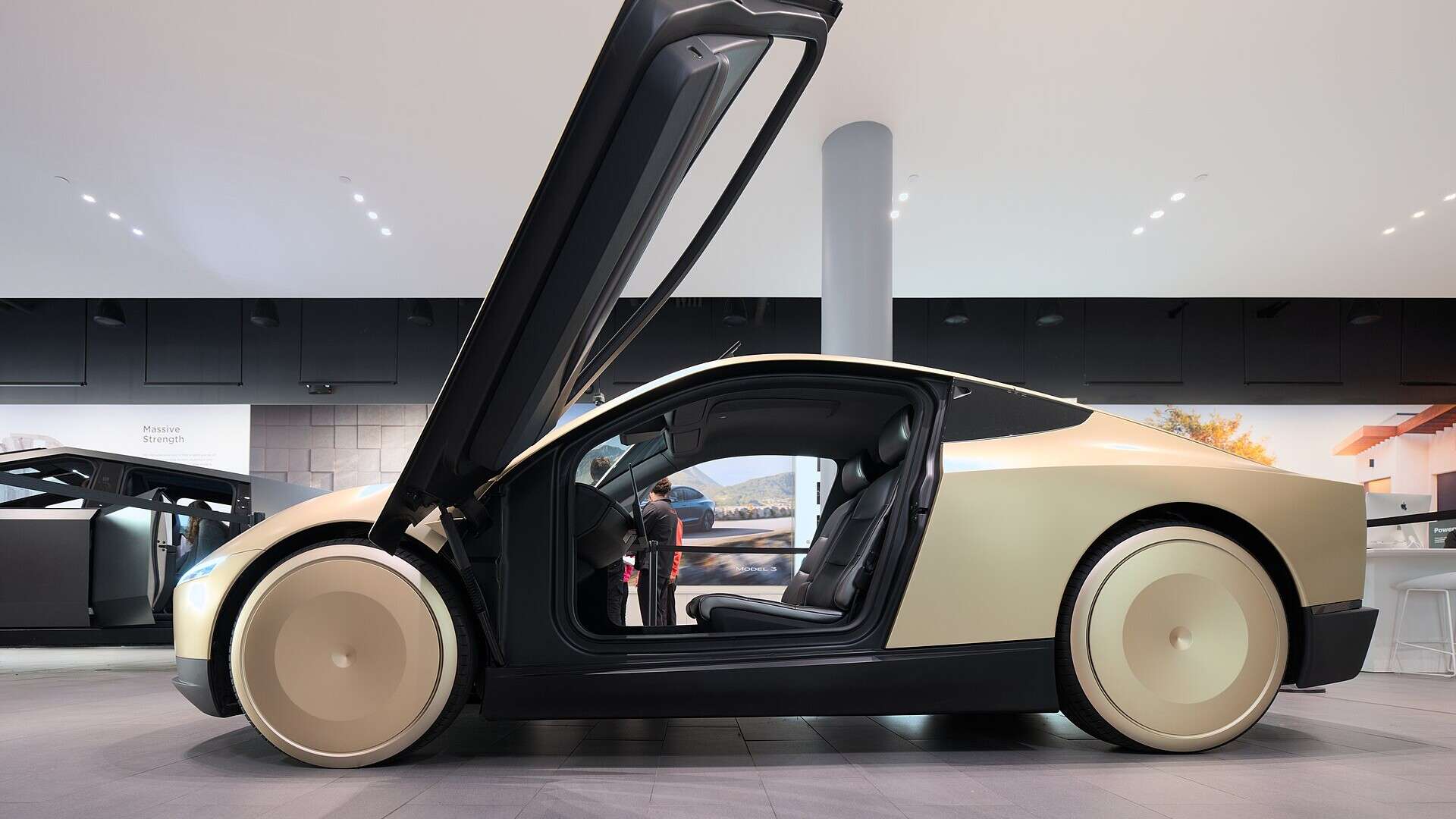
Ashok Elluswamy, Tesla’s director of Autopilot software, told shareholders on October 21 that the first customer-owned cars to drive without a human supervisor could be switched on “somewhere around Q2 next year,” and that they would arrive as members of the Robotaxi fleet Tesla runs in Austin, Texas. He was answering a retail investor’s question, “When can we anticipate FSD unsupervised in customer cars?”, which drew 1.2K votes in the Q&A Tesla ran alongside its third-quarter earnings call.
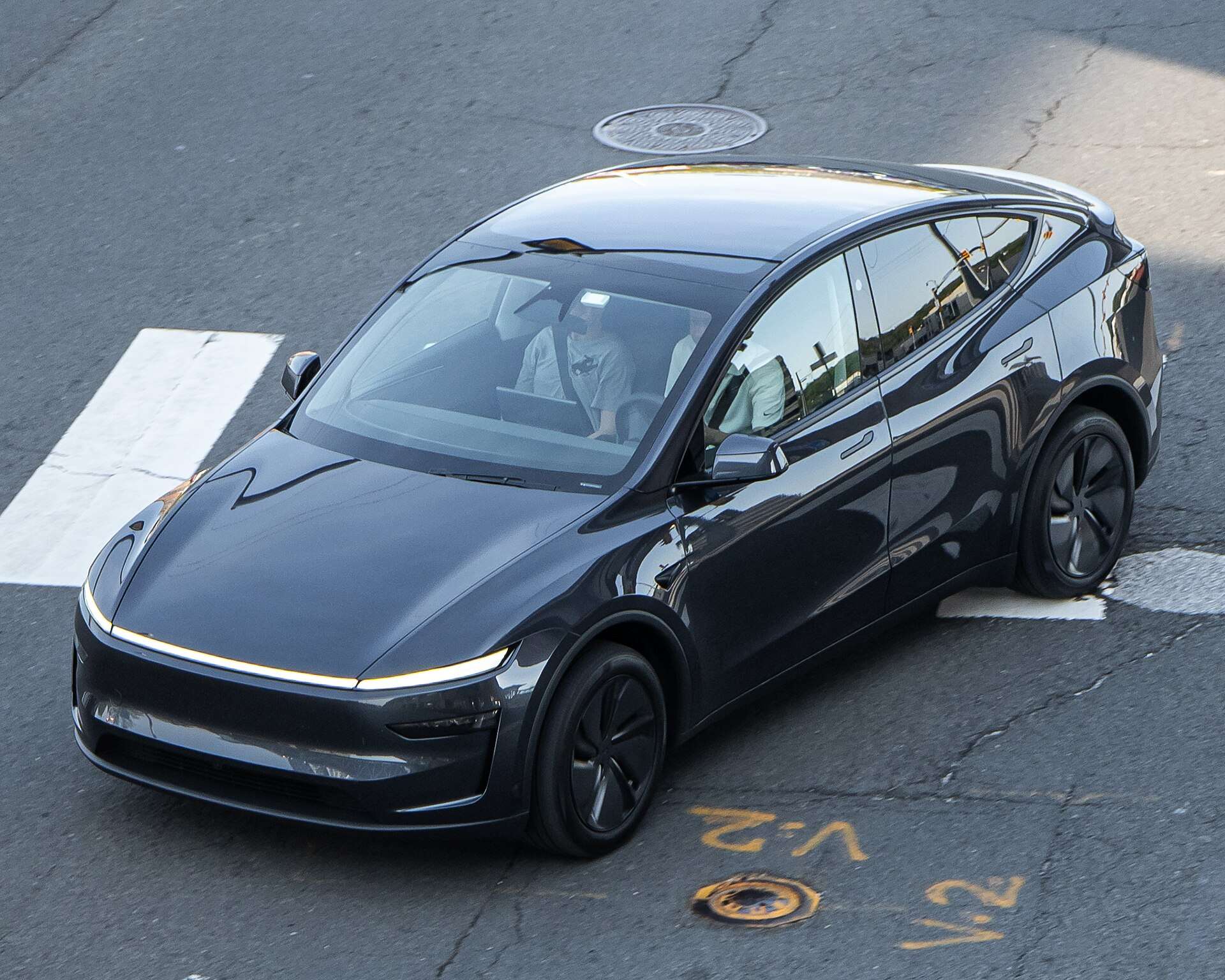
The software for Cybercabs and Model Y “is the same,” Elluswamy said, and Tesla expects to release it to customers as part of its V15 release. The only added requirement, he said, is making sure customer Model Ys “can be part of the geo-fences and the fleet management that Tesla has.” So the first unsupervised owner cars would be cars Tesla’s fleet software can see, fence in and dispatch.
What Musk told investors in July 2025
The same question came up on the July 23, 2025 earnings call, when a shareholder asked about the technical and regulatory hurdles left before unsupervised FSD reached personal use. Elon Musk answered, “I think it will be available for incentivized personal use by the end of this year in certain geographies.” He added that he was “confident that by the end of this year, within a number of cities in the U.S., it will be available to end users.”
The date Tesla gives now lands 15 to 18 months after that promise, and Elluswamy’s wording was softer than Musk’s: “we suspect,” “some of the first customer vehicles.” Musk’s word in 2025 was “incentivized.” I could not find a Tesla document that says what an owner would be paid, or what the incentive is, for putting a car in the fleet.
What Texas requires of a car in a fleet
The Texas Department of Motor Vehicles runs an automated vehicle program under a law that took effect September 1, 2025, and the authorization requirement became enforceable May 28, 2026. A company that operates automated vehicles commercially without a human driver needs that authorization. TxDMV’s page says personal-use vehicles don’t. To apply, a company has to acknowledge that the vehicle is registered and titled in Texas and covered by liability insurance or self-insurance, and certify that the Department of Public Safety has its first responder interaction plan. TxDMV can suspend or revoke an authorization when a vehicle’s operation has resulted in, or is likely to result in, serious bodily injury; the holder gets 10 days to ask for review and a hearing before the State Office of Administrative Hearings.
Nothing on that page requires a customer’s car to join a fleet in order to drive unsupervised. The requirement Elluswamy described comes from Tesla’s own geo-fences and fleet management. Once a car is in the fleet, it falls under the commercial rules, and Tesla is the party holding the authorization. As The Auto Wire reported earlier this month, Texas already sends a Robotaxi’s citation to the operator. Elluswamy’s answer did not say who insures a customer car while it carries paying riders, or whether an owner can pull it out of service when they need to drive to work.
What FSD owners have paid so far
Tesla’s Q3 2026 update, filed with the SEC, lists 1.74 million active FSD subscriptions, up from 1.04 million in the third quarter of 2025. Tesla says the metric includes both upfront payments and monthly subscriptions and excludes free trials. The same update says Robotaxi riders have logged “nearly two million cumulative unsupervised miles,” and that cumulative unsupervised miles grew eightfold from the prior quarter.
Tesla’s quarterly report to the SEC puts a dollar figure on what customers have prepaid. Deferred revenue “related to internet connectivity, access to our Full Self-Driving (“FSD”) (Supervised) features and their ongoing maintenance, free Supercharging programs and over-the-air software updates” was $4.08 billion on September 30, 2026, up from $3.87 billion on December 31, 2025. That line bundles several services, so the FSD share is not broken out. Deferred revenue is cash collected for services Tesla still owes.
What those customers bought carries a label. Tesla’s support page says, “All Tesla vehicles require active driver supervision and are not autonomous.” A federal appeals court vacated class certification in a California FSD buyers’ case on October 16 and sent it back to the district court without ruling on the merits. Tesla has also dropped the “Full Self-Driving” name in Europe, where the product is now called “Tesla Assisted Driving.”
What to watch before Q2
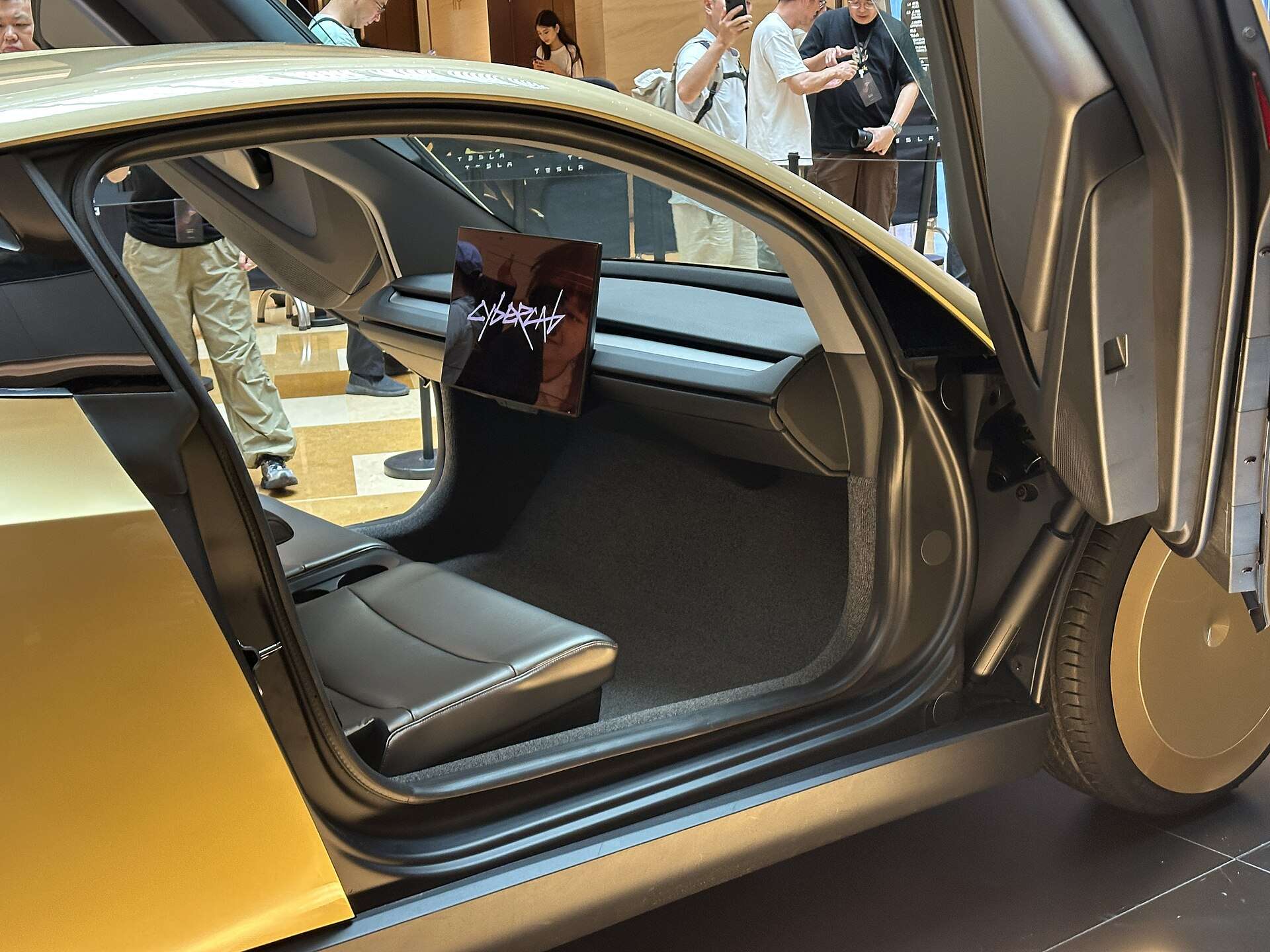
Elluswamy said Tesla will launch Cybercabs in Dallas next month, and that “the same software just scaled to lots of other cities.” Three documents would settle the questions his answer left open: the V15 release notes for customers, the terms Tesla offers an owner who enrolls a car, and any TxDMV authorization naming customer-owned vehicles. Tesla’s earnings-call statements are already being used in a federal FSD lawsuit, so the Q2 target will be read closely.
Would you put your own Model Y in Tesla’s Robotaxi fleet to get unsupervised FSD, knowing Tesla’s fleet software decides where it goes?