
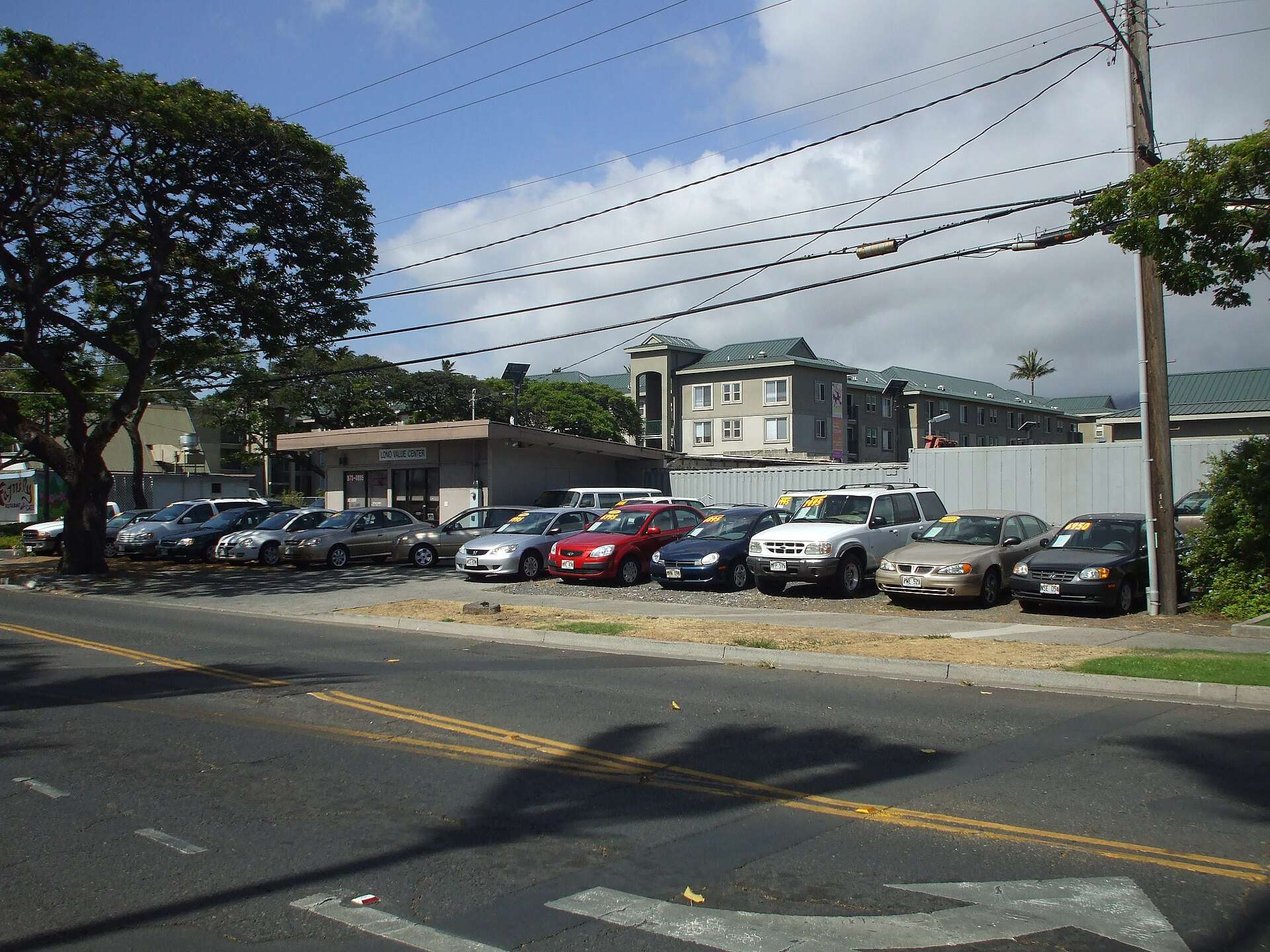
A 2016 Kia Sedona sold by a used-car dealer in Lake Worth Beach, Florida, showed about 68,000 miles on its odometer. It had more than 182,000 at the time of sale, according to court documents obtained by CBS12. That gap of roughly 114,000 miles is where a Florida Highway Patrol case began, and it ended with the arrest of the dealership’s 33-year-old owner on Friday, Nov. 6.
FHP charged the owner with one count of organized fraud involving property valued at $50,000 or more, plus several felony counts involving vehicles with altered odometers, according to CBS12’s report. Those are accusations, and the reporting I reviewed does not include a statement from a defense attorney.
What investigators say they found
FHP reviewed 139 cars the dealership sold over one year and found mileage discrepancies on more than half of them, CBS12 reported. That works out to at least 70 vehicles. The court documents describe a dealership that bought high-mileage cars at auction and a man employees referred to as the electrician, who allegedly altered the odometers. A former employee estimated that about 13 of every 20 cars sold, or 65 percent, had their mileage manipulated. The documents also describe fake temporary tags and paperwork that was allegedly changed after customers signed it, without telling them.

The owner reportedly cited financial pressure and a desire to keep the business open when he spoke with investigators, and acknowledged that higher-mileage cars are worth less. He denied personally rolling back odometers, per CBS12. One buyer reportedly spent more than $5,000 on repairs and said she would not have bought the car had she known the true mileage.
How a lot full of cars becomes a first-degree charge
The top charge, organized fraud under Florida Statute 817.034, is built for volume. The law defines a scheme to defraud as a systematic, ongoing course of conduct with intent to defraud one or more persons, and it adds together the value of property obtained from separate victims to set the grade. At $50,000 or more the offense is a first-degree felony, which Florida Statute 775.082 caps at 30 years. Those are statutory ceilings. Nothing has been decided in this case.
The odometer counts sit lower. Florida Statute 319.35 makes it a third-degree felony, punishable by up to five years, to tamper with an odometer, to supply a written odometer statement known to be false, or to knowingly sell a vehicle with a tampered odometer. The same statute treats such a vehicle as contraband subject to seizure and forfeiture. A rollback count attaches to one car; the fraud statute lets prosecutors add the cars together.
What a buyer can recover
A conviction punishes the seller. It does not by itself pay a buyer’s repair bill. Federal law gives buyers a separate civil claim: under 49 U.S.C. 32710, a person who violates the odometer rules with intent to defraud is liable for three times the actual damages or $10,000, whichever is greater. A court must award costs and a reasonable attorney’s fee when a buyer wins a judgment, and the suit has to be filed within two years after the claim accrues.
The $10,000 floor holds even when the repair bill is small, and the fee rule means a winning buyer doesn’t hand the recovery to a lawyer. Intent to defraud still has to be proved.
Checking mileage before the sale
The Florida Department of Highway Safety and Motor Vehicles lists physical signs of a rollback: worn brake and gas pedal pads or recently replaced ones, loose screws around the dashboard, heavy seat wear or new seat covers on a low-mileage car, and replacement tires on a car showing under 20,000 miles. It recommends verifying the reading through its Motor Vehicle Information Check, asking for maintenance records and the original owner’s manual, and having a mechanic the buyer chooses inspect the car. The department cites a NHTSA estimate that more than 450,000 vehicles a year are sold with false odometer readings, costing buyers over $1 billion.
The Lake Worth Beach case is not the first this year. The Auto Wire has covered a Georgia dealer accused of odometer fraud, Georgia’s new felony law for odometer fraud, a Carfax count of more than 500,000 California vehicles with rolled-back odometers, and a Pennsylvania father and son accused of selling stolen vehicles with washed titles.
What happens next
The case is at its earliest stage, and I did not find a docket entry past the arrest. Buyers who suspect a car from this dealer carries a false reading can report it to the department’s Motor Vehicle Fraud Unit on form HSMV 80122, which the department lists alongside the email address dmv-enforcement@flhsmv.gov.
Prosecutors can charge a rollback car by car or add up every buyer’s loss under the fraud law. With mileage discrepancies on more than half of 139 cars, which one fits?