
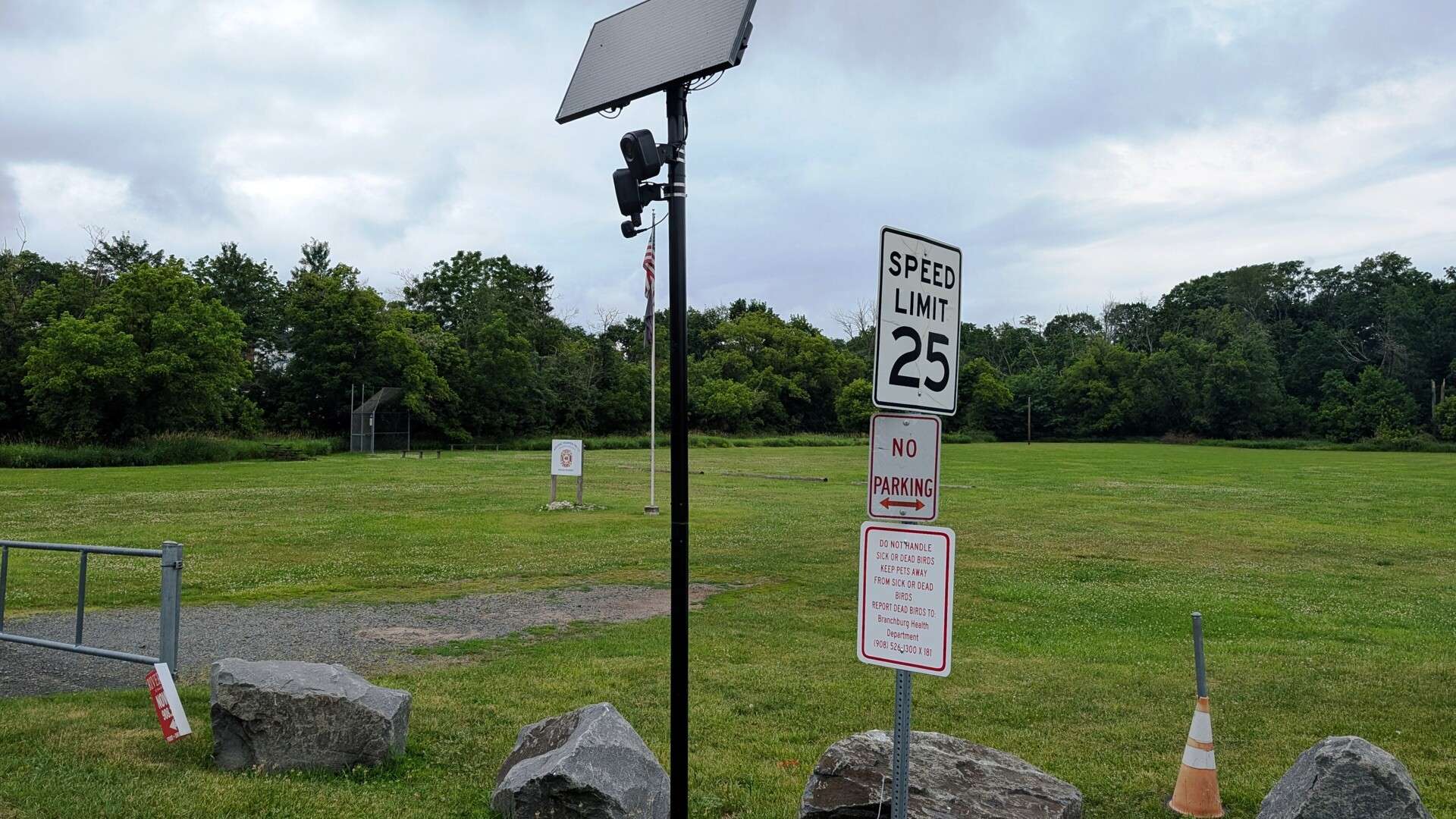
Hemet, Calif., police say a tire store burglary on Oct. 23 ended with a search warrant, five firearms and 30 boxes of psychedelic mushroom bars after cameras tied a vehicle to the scene. Several suspects allegedly entered America’s Tire in the 600 block of West Florida Avenue and stole merchandise, KTLA reported, citing a Hemet Police Department social media post.
What Hemet police say they found
According to that account, officers used surveillance footage and Flock automated license plate reader cameras to identify a vehicle matching the one seen near the burglary. The next day they served a search warrant at a residence. Police said they recovered the stolen property, including high-end wheels, along with five firearms, about 445 rounds of ammunition, 109 grams of THC wax, 10.47 grams of methamphetamine and the 30 boxes of mushroom bars. Officers also said they found evidence indicating drug sales.
One person was arrested and booked into Riverside County Jail. Police have not named that person, and I found no charging document or court docket, so what the person faces, if anything, is not confirmed. Police said the investigation continues and officers are working to identify the remaining suspects and recover more stolen property. KTLA’s introduction also cites more than 10 pounds of marijuana, a figure absent from its itemized list of what officers recovered, so it is left out here. The Auto Wire could not retrieve the department’s original post, and no statement from the arrested person or an attorney was available.

The camera supplied a lead; a judge supplied the entry
A plate reader hit tells police where a car was, not who was driving it or what is inside a house. Getting into a residence takes a warrant, which means a judge has to find probable cause. The affidavit behind this one is not public in anything I could locate, so how heavily the Flock match weighed in it is unknown.
Whether the lookup itself counts as a Fourth Amendment search is unsettled. Two federal district judges answered that question differently within three weeks, and neither ruling binds other courts. One of them was a federal judge in Oklahoma, who suppressed evidence after a deputy ran a California plate through Flock before a stop. No appeals court has settled the question.
What California requires of a city running plate readers
Under Civil Code section 1798.90.51, an agency that operates a plate reader system must adopt a written usage and privacy policy and post it on its website if it has one. The policy has to name the authorized purposes, the job titles allowed to use the data, how the data is retained and destroyed, and the rules for sharing it. Section 1798.90.55 requires an opportunity for public comment at a regular meeting of the governing body before a program starts, and bars an agency from selling, sharing or transferring the data to anyone other than another public agency.
Hemet bought 20 Flock cameras in 2020 with Measure U public safety money, according to Patch, which quoted Officer Cheyne Nicot. He said the cameras had helped recover 24 stolen cars and make more than 20 arrests since going live. Those are police figures that Patch did not independently verify. I could not find Hemet’s current camera count or its posted policy.
The audit baseline
The California State Auditor looked at four agencies in report 2019-118: the Fresno and Los Angeles police departments and the Marin and Sacramento county sheriff’s offices. In Los Angeles, about 400,000 of 320 million stored images produced an immediate hot-list match, meaning nearly all stored images were of cars police had no reason to flag when they were photographed. Retention ran one year in Fresno, two years in Sacramento and Marin, and at least five years in Los Angeles. None of the four had a policy with every legally required element, and Los Angeles had none. Hemet was not audited, and its practices may differ.
That is the trade built into a case like this one. A network that can match a vehicle to a burglary in a day also records every driver who passes a camera on West Florida Avenue or anywhere else it hangs, and the law leaves each city to write its own rules for how long that record stays and who can search it.
What happens next
The arrested person’s name, any charges from the Riverside County District Attorney and a court date are the next documents to watch. Police say more suspects are being sought, so more arrests from the same Flock match are possible. Anyone can ask Hemet for its posted plate reader policy, since the statute requires it to be written and public.
Should police be allowed to search a plate reader database for any crime without a warrant, or only for serious felonies with a judge’s sign-off?