
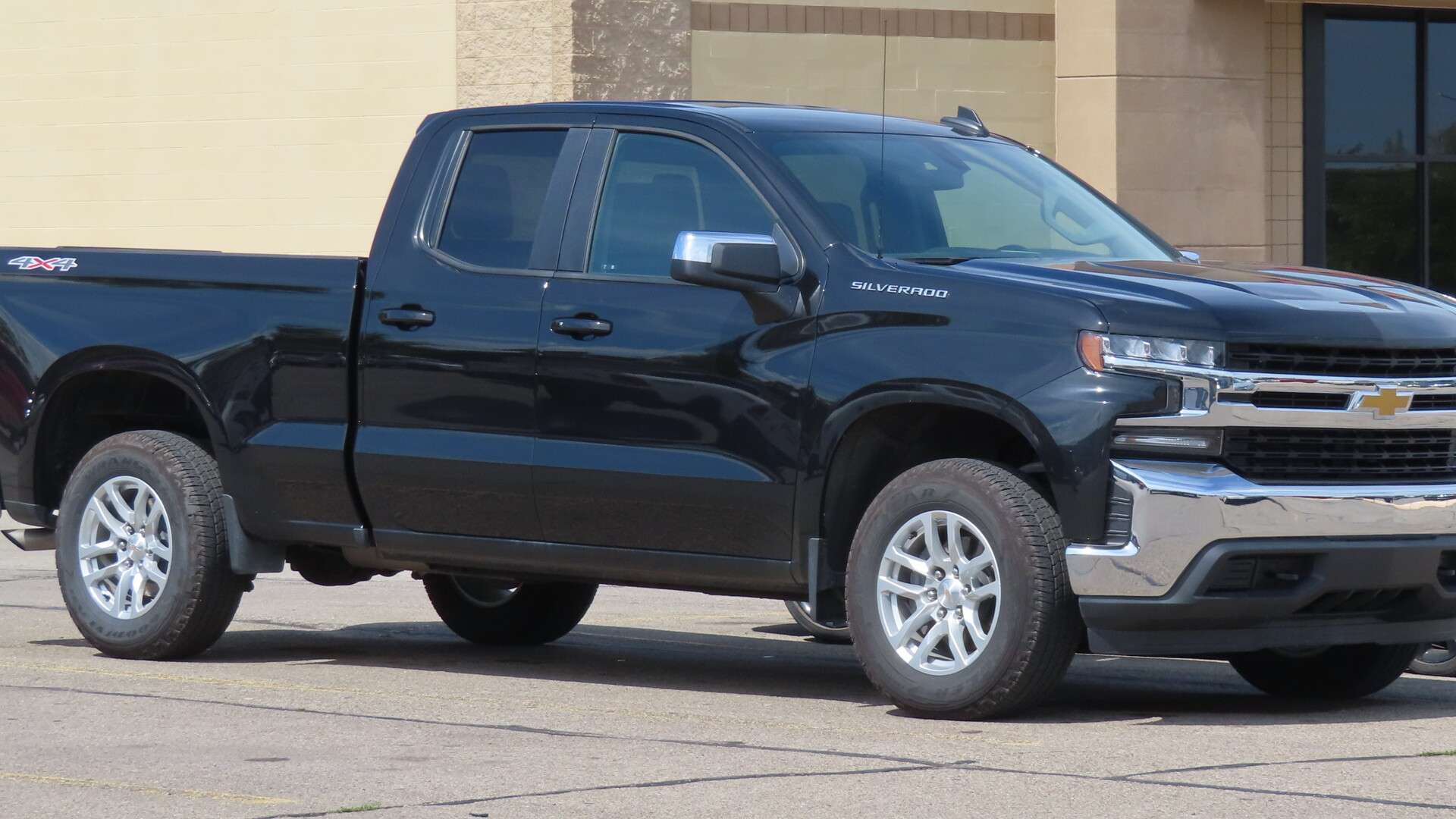
“I was trying to race.” A 71-year-old said that to her granddaughter on camera when asked why two deputies had pulled her over in a cammed Silverado, according to Backfire News’ account of a TikTok video posted Oct. 13. Whether a prosecutor would ever want that sentence depends on where she was driving, and the video never says.
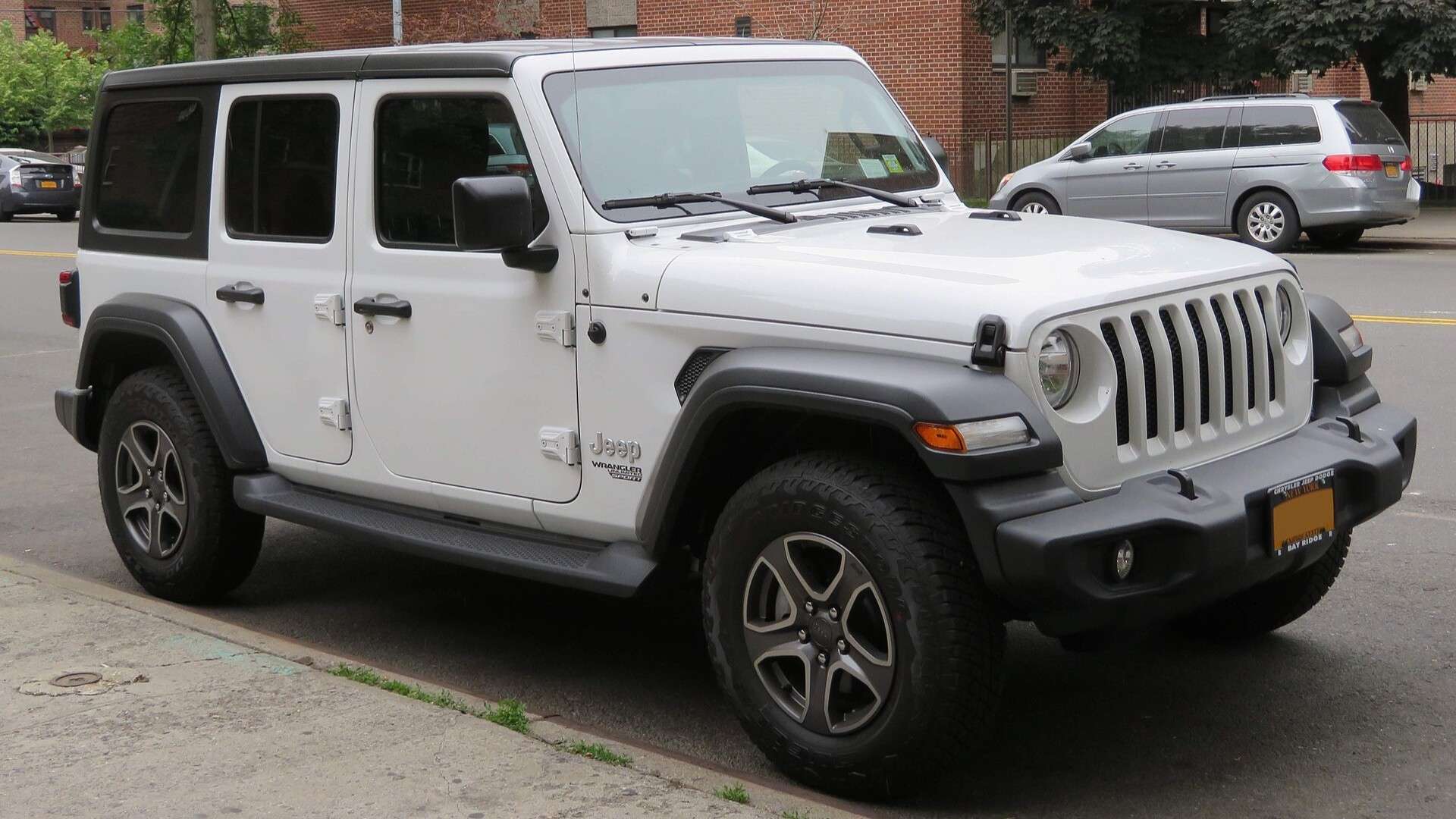
By her telling, a lifted Jeep Wrangler driver stepped on it beside her at a light. She answered, passed him, backed out of it and moved over, and two sheriff’s vehicles came up behind her. She says one deputy told her he hit about 95 mph to catch up, and that he told her three times she did not need to prove anything and should take it to the drag strip.
A stop with no agency, county or state attached
Neither the video nor its captions name the sheriff’s office, the county, the state or the date of the stop, and nothing in them says she was cited or charged. Without an agency or a county there is no incident report to request and no court docket to search. The 95 mph figure is her recollection of what a deputy said, not a recorded speed, and it describes the deputy’s driving, not hers. Every detail comes from one person’s version of one traffic stop.
That leaves the law as the only part of the story that can be checked, and it is worth reading because racing statutes are written loosely.
A race can start with a response
Florida’s racing statute, Section 316.191, is a useful example of how loose. It defines a race as vehicles in competition arising from a challenge to demonstrate superiority, and it says a race may occur through “a competitive response to conduct on the part of one or more drivers.” Conduct counts as a challenge when, under the totality of the circumstances, it can reasonably be read as one. Nobody has to agree to anything. A driver who launches hard next to a stranger, and a stranger who answers, can satisfy that wording without a word, a wave or a prearranged start.
That is why her own explanation matters more than the 95. A driver who tells a camera she was trying to race has described her intent, and intent is the element a pass at a light otherwise leaves open. I found nothing indicating a case exists here, and a video is not a charge. But a recording of a driver describing her own purpose is the sort of statement a prosecutor could offer, which is a good reason to say less at the roadside than she said to her granddaughter.
What a Florida conviction costs
In Florida, a first violation is “a misdemeanor of the first degree” with a fine of $500 to $2,000, and the state’s highway safety department must revoke the driver license of a person convicted for one year. A court can order impoundment or immobilization as a condition of incarceration or probation, and a vehicle used in a violation may be impounded for 30 business days if an officer arrested the driver under the statute. A second violation within five years can bring seizure and forfeiture, but only if the person charged owns the vehicle.
The same pass could be handled differently in other states, which write racing, exhibition-of-speed and reckless-driving laws in their own words, so the charge in this stop cannot be guessed. Florida shows what the severe end looks like, and enforcement there is not theoretical: troopers say two Hillsborough County teens drag raced on I-75. Agencies elsewhere are also working the crowds, not the drivers, as with the 22 arrests a Los Angeles County sheriff’s task force made in one weekend of takeovers, and with Montgomery County’s $5,000 takeover fine.
The drag strip is a real answer
The deputy’s advice, as she tells it, has an organized version. NHRA’s Street Legal program says fighting illegal street racing has been the association’s work since 1951. It is reserved for production-type cars and trucks that are street driven, with state registration and valid insurance. NHRA says aftermarket parts are accepted, and it allows 2014 and newer model years to run as quick as 9.00 seconds or 150 mph, while 2008 to 2013 models are limited to 10.00 seconds or 135 mph.
A cammed Silverado with a plate on it and an insurance card in the glove box fits that description, depending on its model year, so the suggestion is practical as well as a warning. The next thing to watch is whether the sheriff’s office behind the stop is ever identified. If she was cited, the record would sit with a county court clerk, and the video does not say which one.
Is answering a stranger’s throttle at a light a crime that can cost a driver her license for a year, or a mistake that deserves a warning and a trip to the drag strip?