
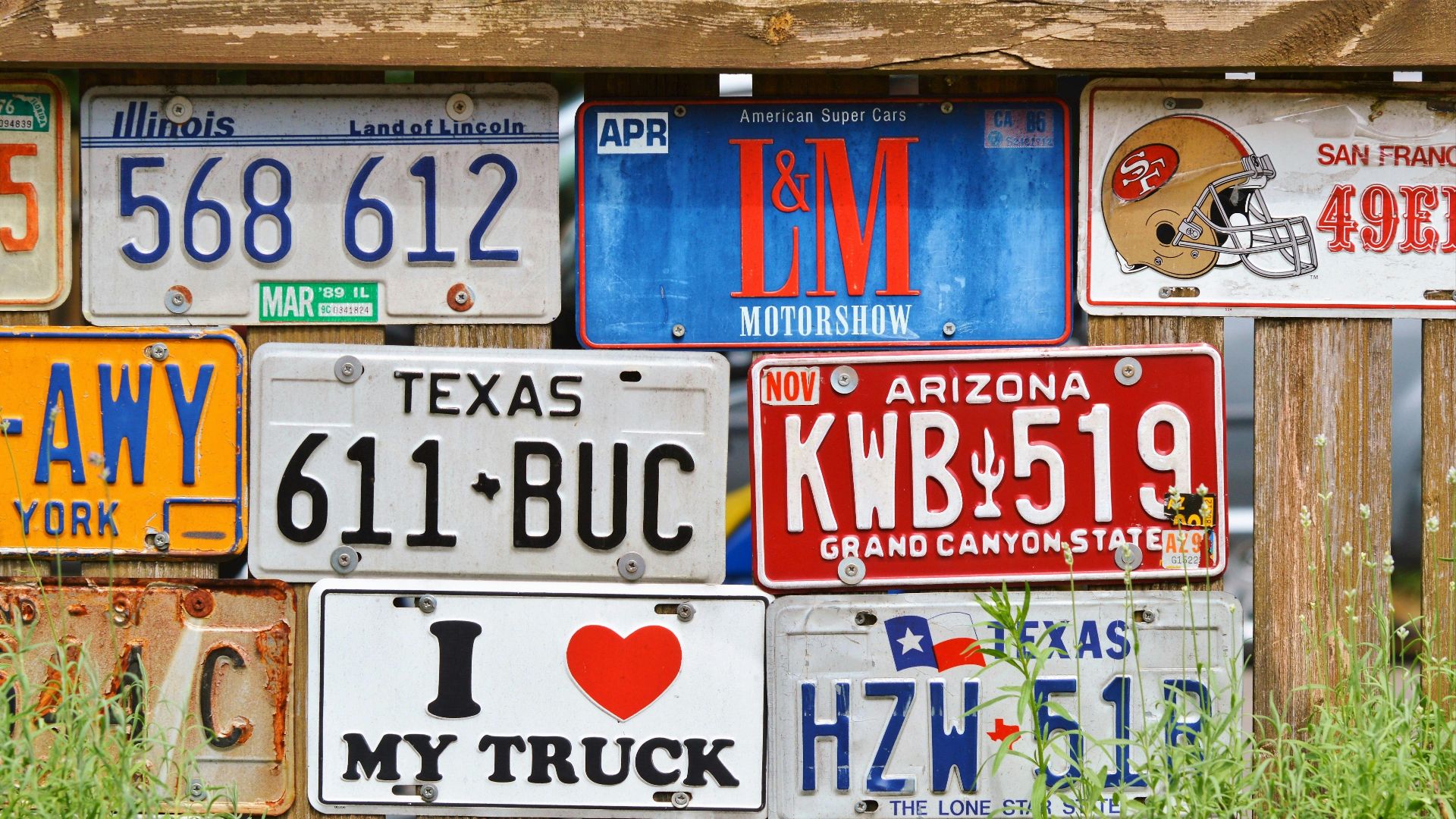
Maryland has enacted a new law that significantly changes how vehicles qualify for historic registration, ending a long-standing rule that allowed cars more than 20 years old to receive classic plates. Under the updated standard, only vehicles from model year 1999 or earlier are now eligible going forward.
Closing a Growing Loophole
The change closes what state officials viewed as a growing loophole in the historic vehicle program. Previously, any vehicle older than 20 years could qualify, giving owners access to substantially lower annual registration fees and, in some cases, relief from routine inspections. Standard passenger vehicle registration in Maryland can cost up to $191.50 per year, while historic registration costs just $55.50 annually, a significant gap that made the program attractive well beyond its original intent.
Over time, the definition of “historic” drifted far from where it started. By 2025, nearly one-third of Maryland’s roughly 190,000 vehicles registered with historic plates were built after 2000. Many of those vehicles remain modern enough to serve as genuine daily transportation, despite state rules technically limiting historic plates to special uses such as shows, parades, tours, and occasional drives rather than routine commuting.
Why Lawmakers Chose a Fixed Cutoff
State officials concluded that the existing restrictions weren’t being followed consistently, which prompted lawmakers to impose a fixed cutoff year rather than continue with a rolling age requirement. The new law also requires applicants to certify that their vehicles won’t be used for general daily transportation going forward.
Supporters of the change argue that vehicles from the 2000s, while aging, don’t meet a reasonable definition of historic and were never the intended beneficiaries of the program in the first place. Advances in vehicle durability mean a 20-year-old car today may still be heavily used and even financed, unlike vehicles of similar age decades ago that were far more likely to be retired from daily use.
A Permanent Cutoff, Not a Moving Target
Critics point out that the new rule establishes a permanent cutoff rather than a flexible, ongoing standard. Unlike a rolling 25-year threshold that would keep moving forward each year, the Maryland law freezes eligibility at 1999 unless future legislation changes it. That means vehicles from the early 2000s will never qualify for historic plates, regardless of how old they eventually become.
A bill introduced by Delegate Steven Jonson would restore a rolling 25-year eligibility rule, but until that proposal advances through the legislature, owners of newer vehicles previously registered as historic must either return to standard registration or remove those vehicles from the road entirely.
The change reflects a broader tension between modern vehicle longevity and legacy regulatory frameworks that were originally designed for a very different automotive era.