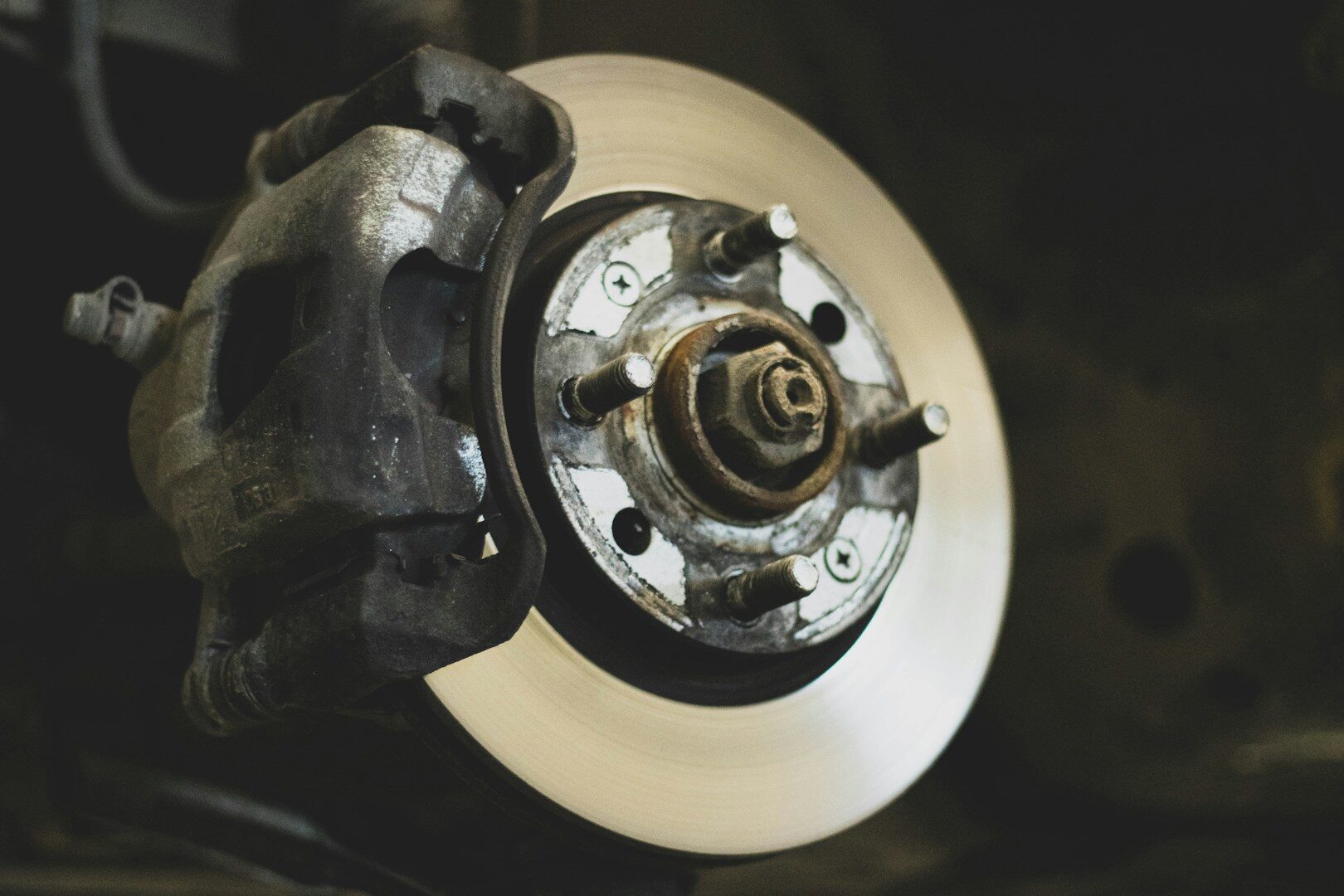
Ask a mechanic to name the maintenance item drivers ignore the longest, and brake fluid usually tops the list. It’s not that owners don’t care about their brakes. It’s that brake fluid never announces itself the way other fluids do. There’s no dashboard light for old brake fluid, no mileage sticker in the corner of the windshield. There’s no obvious symptom until the system is already compromised. That combination of silence and importance is exactly why it deserves more attention than it gets.
Why This One Gets Skipped
Compare brake fluid to almost anything else on a maintenance checklist, and the neglect makes more sense. Engine oil has a monitor system and a reminder light. Tires show visible tread wear you can check with a coin. Worn brake pads typically squeal before they fail outright. Brake fluid does none of that. It sits sealed inside a closed hydraulic system, doing its job quietly for years. By the time a problem shows up at the pedal, the fluid has usually been degrading for a long time already. It also isn’t part of a routine oil change or tire rotation by default. Unless a shop specifically flags it, it’s easy for years to pass without anyone testing it.
A Real Recall Shows What “Forgotten” Actually Costs
This isn’t a hypothetical risk. In January 2018, Harley-Davidson issued NHTSA recall campaign 18V076000 covering certain motorcycles for exactly this reason. According to the recall, deposits from degraded brake fluid could cause a valve inside the Anti-lock Brake System Hydraulic Control Unit to stick. That reduced braking ability and increased the risk of a crash. The fix in that case wasn’t a design flaw in the brakes themselves. It was fluid that had gone longer than it should have without a flush. That’s a real-world example of what “everyone forgets” actually leads to when it’s allowed to go far enough.
The Dollar Math Nobody Runs
Skipping a brake fluid service doesn’t just carry a safety cost. It carries a financial one that dwarfs the maintenance it was avoiding. According to AAA, replacing brake pads and rotors together typically runs $500 to $1,000 for a full vehicle. That’s before you’re looking at a caliper, master cylinder, or an ABS hydraulic control unit — the exact type of component named in that Harley-Davidson recall. All of those cost considerably more once contaminated fluid starts corroding metal parts from the inside.
AAA also puts the average shop labor rate at roughly $120 to $159 an hour nationally. That adds up fast on any repair that requires disassembling brake hardware. A fluid exchange, by comparison, is one of the shorter, less labor-intensive services a shop performs. The math only ever points one direction. Paying for the flush is always cheaper than paying for what happens when you don’t.
How to Actually Remember It
The fix for a forgotten maintenance item is rarely willpower. It’s attaching it to something you already track. Most manufacturers build a brake fluid interval into the owner’s manual, typically every two to three years regardless of mileage. The easiest move is to write that date down the same way you would an insurance renewal. If you already take your car in for an oil change on a schedule, ask the shop to test the brake fluid with a moisture test strip at the same visit. It takes a couple of minutes and gives you a real number instead of a guess. Following a broader mileage-based maintenance schedule also helps. It puts brake fluid on the same radar as timing belts and other easy-to-forget items, instead of leaving it to chance.
What It Looks Like When You’re Already Behind
If it’s been years and you’re not sure where you stand, a few warning signs are worth checking now rather than later. A brake pedal that feels the slightest bit softer or lower than it used to is one. A dashboard ABS warning light that wasn’t there before is another. Fluid in the reservoir that looks dark instead of clear is a third. Any of these is a reason to have it tested. None of these guarantee a failure is imminent. This isn’t a reason to panic over a completely routine maintenance item. It’s simply the one item on the list that rewards being proactive more than almost anything else in the car. The cost of staying ahead of it is small. The cost of falling behind isn’t.
For the deeper mechanics of exactly how old fluid causes that soft-pedal feeling, The Auto Wire has covered that in detail. But the short version is simple. It’s the one fluid in your car where “I’ll get to it eventually” is the most expensive sentence you can say.
Sources: National Highway Traffic Safety Administration, AAA, The Auto Wire.