
Mexico’s auto distributors want you to know that electrified vehicle sales are up 44% this year. What they’re less eager to explain is that “electrified” is doing most of the work in that sentence, and that the timing of this good news could not be worse.
According to data compiled by the Mexican Association of Automotive Distributors (AMDA), the Mexican Automotive Industry Association (AMIA), and the National Auto Parts Industry Association (INA), Mexico sold 95,037 electrified light vehicles in the first half of 2026, a 44% jump over the same period in 2025. Electrified models now account for 12.4% of the country’s total light-vehicle market, up from a rounding error of 0.4% in 2016.
That’s a real, decade-long structural shift, and AMDA president Guillermo Rosales is happy to explain why. “Strong competition among brands, financing availability, and consumer spending contributed to the sector’s growth,” he said. Cheaper models, easier loans, more choices on the lot. Simple enough, on paper.
Except almost none of those 95,037 vehicles are what most people picture when they hear the words “electric car.” Conventional hybrids, the kind that never plug into anything, made up 69.24% of the electrified segment. Plug-in hybrids added another 16.27%. Battery electric vehicles, the actual EVs, accounted for just 14.49% of the segment, which works out to less than two percent of every new vehicle sold in Mexico this year. A decade of headlines about Mexico’s electric future has produced a market that is, overwhelmingly, still buying hybridized versions of ordinary sedans and crossovers.
That’s the first thing worth knowing here: Mexico’s electrified boom is a hybrid boom, running on technology Toyota commercialized nearly three decades ago, not the battery-electric future everyone keeps promising. Hybrids sell in Mexico for the same reason they took off in California in the early 2000s. They don’t require anyone to build a single charging station. Mexico’s public charging network is thin outside a handful of metro areas, and hybrids sidestep that problem entirely by never needing it. It’s a rational consumer choice, and it’s also a quiet admission that the infrastructure for real EV adoption isn’t there yet.
Here’s the second thing, and it’s the one the AMDA press release conveniently leaves out: this entire growth spurt happened during the same six months Mexico’s government raised tariffs on Chinese-made vehicles to 50%, and while the U.S. government was publicly accusing Mexico of using its assembly plants to funnel Chinese content into the American market.
On July 15, White House trade advisor Peter Navarro wrote in a column that vehicles assembled in Mexico under the USMCA are increasingly loaded with Chinese-made batteries, semiconductors, and electronics that get relabeled as North American content once they cross the border. He cited a U.S. Trade Representative report showing the American-made share of parts in vehicles assembled in Mexico and Canada fell from more than 60% in 2017 to 35% in 2024. The White House used that finding to justify refusing to renew the USMCA in its current form on July 1, opting instead for a 10-year deal subject to annual reviews. A bilateral meeting to hash out the details is scheduled for July 20 in Mexico City, five days from now.
Navarro’s specific complaint is worth sitting with: the more electronically complex a vehicle is, he argues, the easier it is to hide foreign-made components inside it. Hybrids and plug-in hybrids, loaded with battery packs, power electronics, and control modules, are about as electronically complex as a mainstream car gets. Nobody has produced evidence that the specific hybrids selling briskly in Mexico this year are vessels for undeclared Chinese content. But the AMDA report never says where the electronics inside these affordable Asian-brand models actually come from, and that omission now sits inside a much bigger fight over exactly that question.
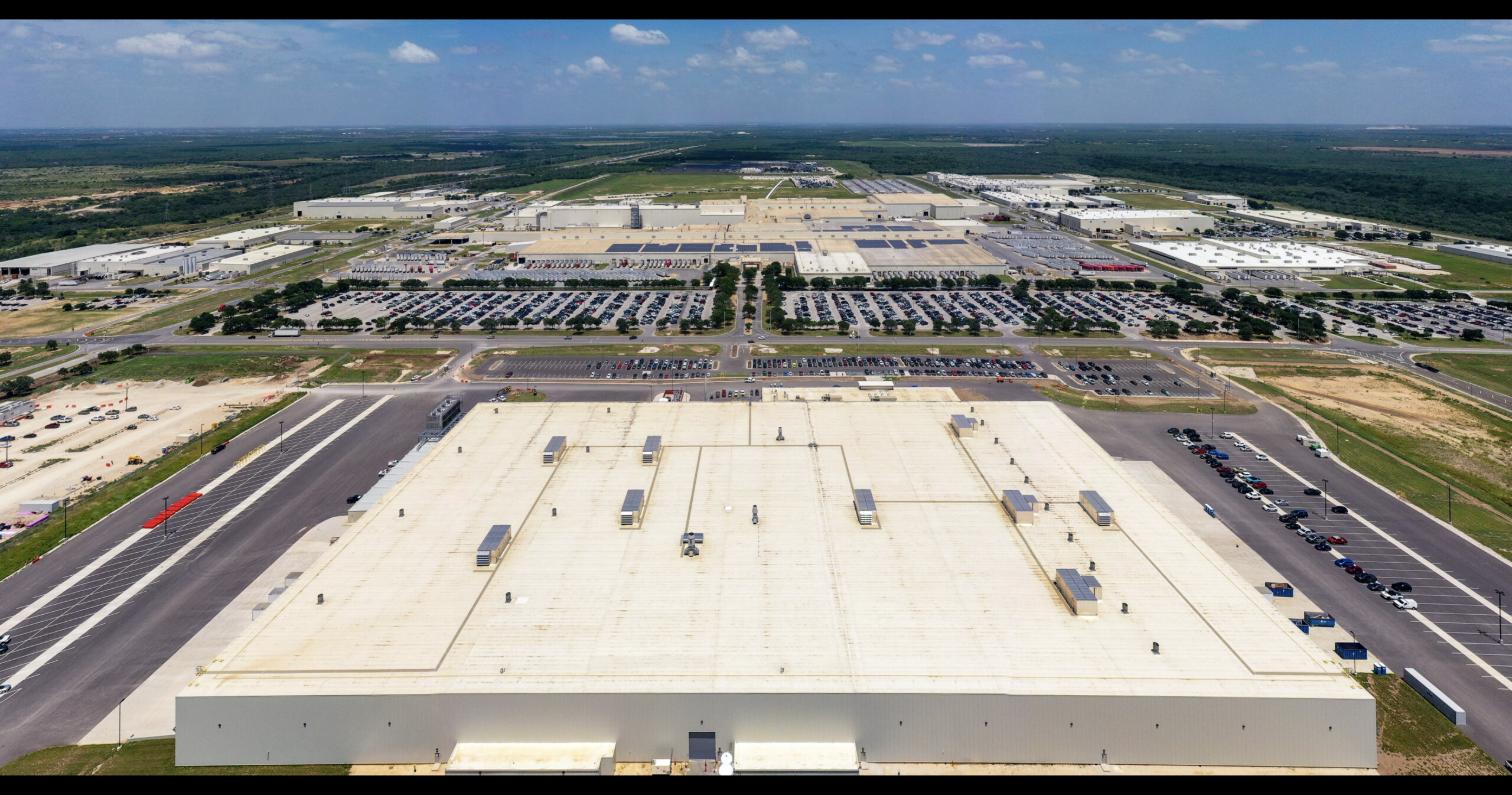
The manufacturing side of this story is already moving. Toyota, the brand whose hybrid technology anchors most of Mexico’s electrified sales, just pulled Tacoma pickup production out of Mexico and moved it to Bexar County, Texas, a decision that followed a reported $9 billion tariff hit to the company’s North American business. The same tariffs reshaping where Toyota builds trucks are reshaping which cars Mexican consumers can afford to buy. Those two trends aren’t separate stories. They’re the same story, viewed from opposite ends of the supply chain.
There’s a geography lesson buried in the sales data, too. Mexico City, the State of Mexico, Nuevo Leon, and Jalisco account for 55.7% of all electrified vehicle sales, and all four are anchored by major auto manufacturing and finance hubs. This isn’t a grassroots green movement sweeping the country. It’s concentrated exactly where the assembly plants, dealer networks, and financing infrastructure already exist, which tells you the growth is being manufactured almost as much as it’s being demanded.
Meanwhile, China’s own export machine keeps roaring even as its domestic car market cools, which is precisely the dynamic that pushed Mexico to slap a 50% tariff on Chinese vehicles in the first place. Squeeze one border and the volume finds another. That’s not a conspiracy theory. It’s how trade flows have worked for a century.
None of this means Mexico’s electrified vehicle numbers are fake, or that Rosales is wrong about financing and competition driving sales. It means the number everyone is celebrating, 44%, is a symptom, not the disease. The real story isn’t that Mexican drivers are suddenly going electric. It’s that Mexico’s auto market has become the pressure point in a trade fight over who gets to claim credit, and collect tariff revenue, for building the modern car.
Five years from now, nobody will remember the 44%. They’ll remember whether the USMCA survived its rewrite, and whether “assembled in Mexico” still means what American regulators think it means.