
A market research firm sent out a press release this week forecasting that the global automotive powder coatings market will climb from $2.78 billion in 2026 to $3.59 billion by 2031. Read that number again. It sounds like a paint story. It isn’t.
Garage Deals: Nowell Leather’s Hand-Stitched EDC Gear Belongs in Every Gearhead’s Glovebox
Nothing in that growth curve has anything to do with the color of your car, the depth of its clearcoat, or how it looks under showroom lighting. Powder coating — electrostatically charged polymer dust baked onto metal in an oven — barely touches the sheet metal you actually look at. It’s the invisible layer holding up everything you don’t.
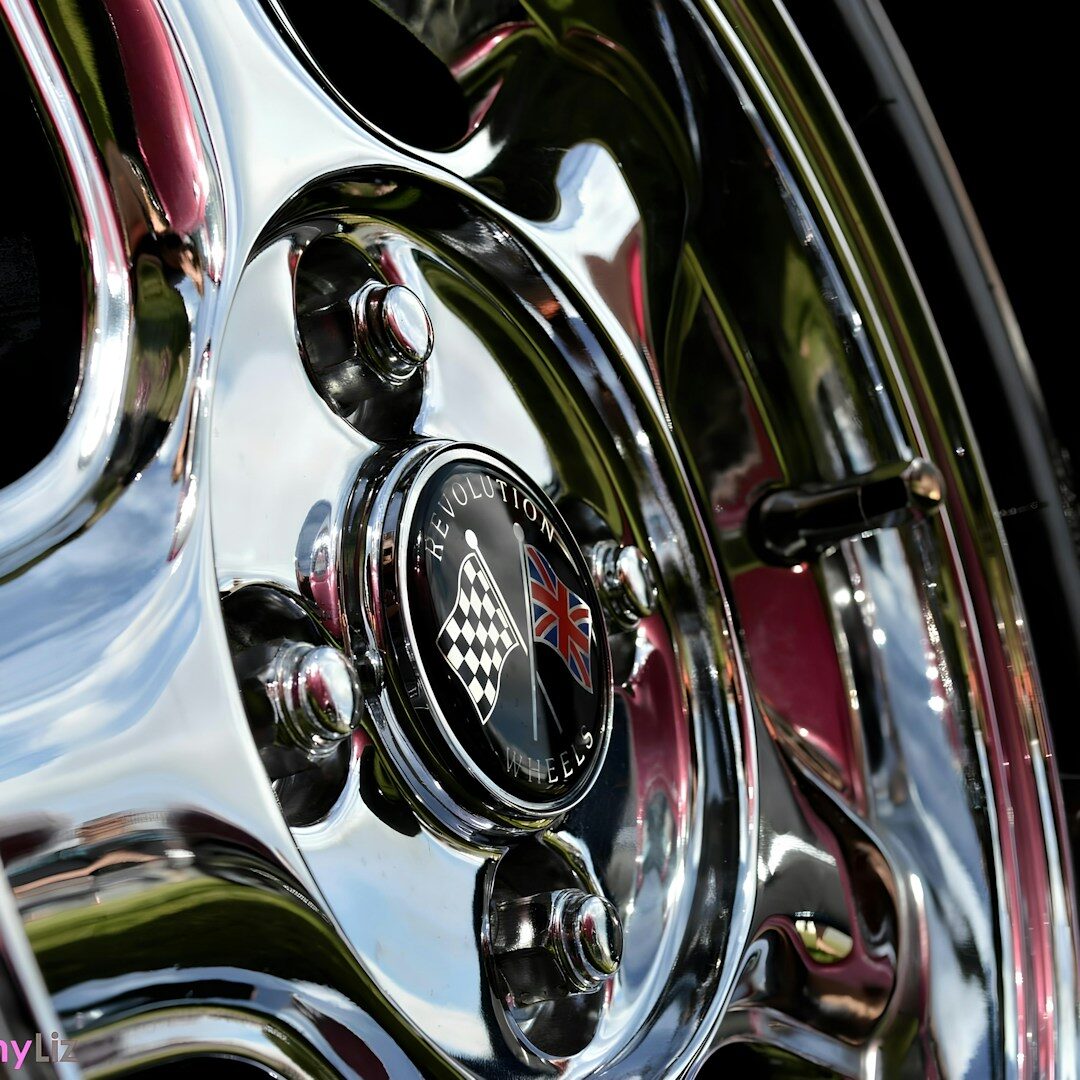
Here’s the part almost nobody outside a paint shop knows: powder coating cures at 350 to 400 degrees Fahrenheit. That’s hot enough to warp glass, melt wiring harnesses, and ruin interior trim. Which is exactly why automakers can’t run a finished car body through a powder coat oven the way they dip and spray it with wet paint. Powder coating has to happen before final assembly, on bare metal parts that can survive an oven — wheels, brake calipers, subframes, brackets, engine components. Not doors. Not hoods. Not anything you’d photograph for a listing.
So why is a $3.6 billion market suddenly interesting to chemical giants like Sherwin-Williams, PPG, and Axalta? Follow the regulation, not the marketing copy. The EPA’s Clean Air Act rule covering automobile and light-duty truck surface coating, known as Subpart IIII, targets toluene, xylene, glycol ethers, and other hazardous air pollutants coming out of assembly-line paint shops. When EPA finalized the current version of that rule, it estimated the change would cut hazardous air pollutant emissions from those plants from roughly 10,000 tons a year down to 4,000, and trim volatile organic compound emissions by another 12,000 to 18,000 tons annually. Wet paint is the single biggest source of those emissions inside an assembly plant. Powder coating produces almost none of them, because there’s no solvent around to evaporate in the first place.
That’s the real story buried under the market-size headline. Automakers didn’t fall in love with powder coating because it looks better. They fell in love with it because the alternative was explaining themselves to the EPA, one permit renewal at a time.
There’s a second thing most owners never think about until it’s too late: powder coating can’t really be touched up. Chip a clearcoat panel and a body shop can feather in some paint and blend it into the surrounding finish. Chip a powder-coated wheel or bracket and there’s no rattle can for that. The part typically gets stripped to bare metal and run through the whole process again: strip tank, fresh electrostatic charge, another trip through the oven. That’s a real line item on a collision estimate, and it’s one more reason rebuilding a wrecked car is never as simple as it looks in the auction photos.
Electric vehicles are pulling powder coating into places it never used to go. Battery trays and enclosures need serious corrosion resistance and electrical insulation, and powder coating delivers both without adding the weight of a thick wet-paint system. As new battery plants come online, the parts feeding them are increasingly finished this way before they ever reach a vehicle assembly line.
It’s also worth noticing where this growth is actually landing. Asia Pacific already controls more than half the global automotive powder coatings market by value, which tracks with where vehicle and component production has been expanding fastest. Domestic plants are racing to keep up with their own demand, and Toyota just fired up added capacity in Kentucky to keep pace with buyers outrunning the line, but the bulk of the coatings growth is tracking China’s expanding footprint in global platforms.
For owners, the payoff shows up years down the road, usually as a subframe or a set of control arms that hasn’t turned into a flaking, rusted mess by year eight. Rust doesn’t announce itself. It works quietly underneath a car until a technician points a flashlight at it during an inspection, or until road salt and summer heat finish a job that started years earlier.
The report says the powder coatings market will be worth $3.59 billion by 2031. What it doesn’t say, because market research firms don’t write it that way, is that almost none of that money is being spent on the part of the car anyone actually admires. It’s being spent underneath, out of sight, largely because the EPA left automakers no better option. Paint sells the car in the showroom. Powder coating is what keeps the parts nobody sees from failing quietly for the next decade.