
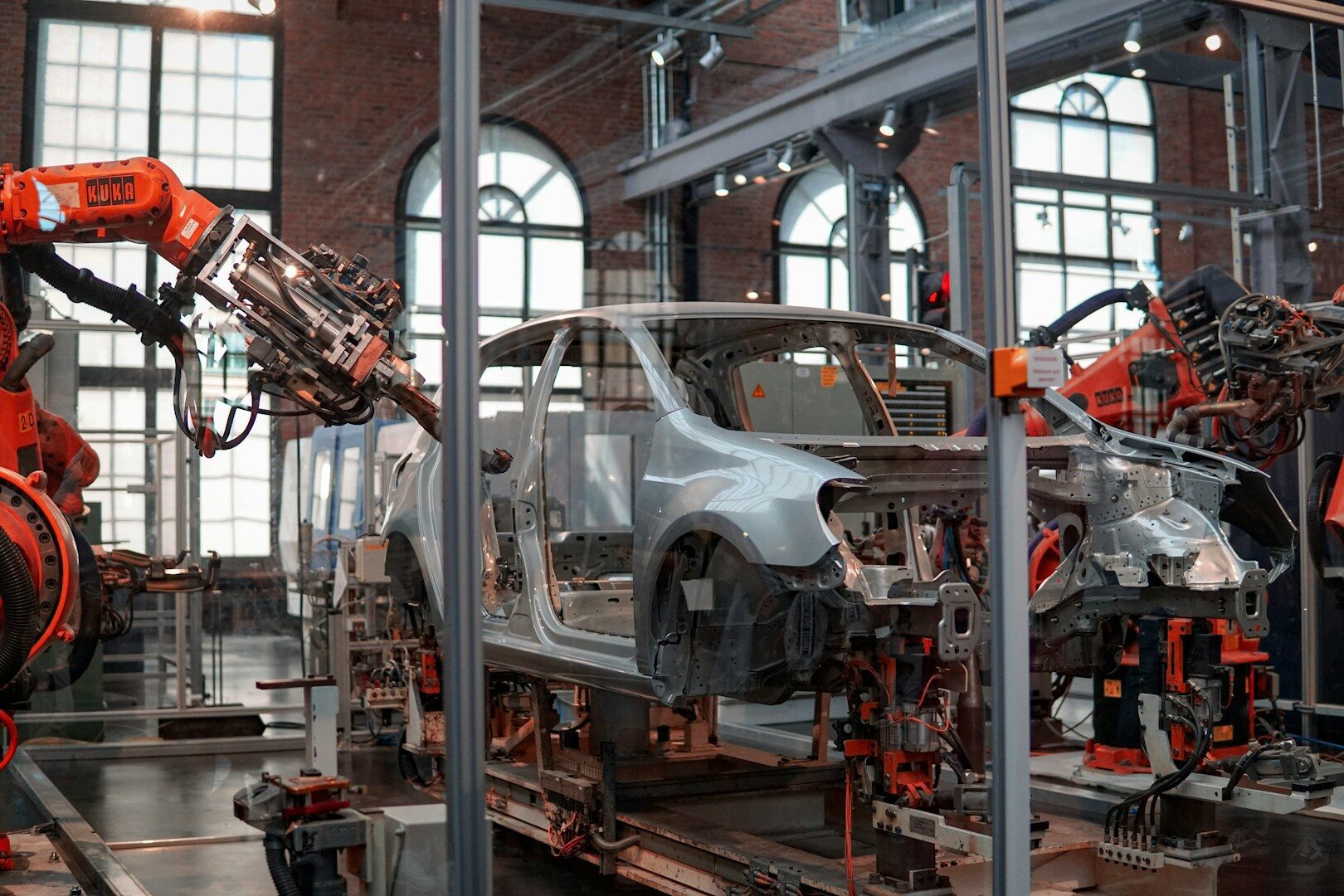
The RAV4 is Toyota’s volume engine — the best-selling thing it makes that isn’t a Camry-shaped memory. Anything that throttles how many the company can build ripples straight through dealer lots and your local supply. And right now the sixth-generation RAV4 sits in an awkward spot. Buyers want it badly, but Toyota is only just spinning up the North American factory tooling to feed them.
Here’s the piece that reframes the whole “production problem” narrative. Toyota’s own numbers show this isn’t a demand collapse — it’s the opposite. In the company’s June and second-quarter 2026 U.S. sales report, Toyota called out that the RAV4 Hybrid hit an all-time best-ever result. Toyota Motor North America’s June electrified-vehicle sales jumped 35 percent year over year to 122,063 units.
That’s a big deal mechanically: a hybrid RAV4 isn’t just an engine swap. It’s a different powertrain architecture — battery packs, power-control units, and electric motor supply chains all have to scale together. When you redesign the best-selling vehicle in your range and shift its center of gravity to electrified drivetrains in the same model year, that’s a lot to change at once. You don’t flip that switch overnight.
North American assembly only just began
The clearest signal of where things actually stand came out of Georgetown. Toyota confirmed that Toyota Kentucky began assembly of the all-new RAV4 Hybrid on June 22, 2026. The plant simultaneously broke ground on a next-generation paint facility. The plant’s president, Kerry Creech, tied the milestone to “delivering high-quality vehicles like the all-new RAV4 Hybrid.” Toyota says roughly $2 billion in investment announced over the prior two years backs the effort.
Read that timeline carefully. If your single most important North American plant is starting production of the new RAV4 Hybrid in late June, that tells you something important. For much of 2026, existing inventory and imports met that demand rather than a fully humming domestic line. That’s the real mechanism behind tight availability: a generational model change colliding with a manufacturing ramp that’s still climbing.
Check This Out: 5 Genius Garage Upgrades Under $100 That Make a Big Difference
What it means if you’re shopping
A few practical takeaways. First, expect thin lots and firm pricing on the new RAV4 Hybrid in the near term. When a redesign is selling at record pace while domestic assembly is only weeks old, dealers have little reason to discount. Patience, or a willingness to order and wait, will serve you better than hunting for a deal that isn’t there yet.
Second, the electrified-only direction is worth planning around as an owner. Hybrid systems add long-term value in fuel savings and, generally, strong resale. But they also mean the maintenance conversation shifts — hybrid battery health, high-voltage components, and specialized service become part of the ownership math. If you’re cross-shopping a used gas RAV4 against the new hybrid, that’s a genuine trade-off, not a rounding error.
Finally, the Georgetown paint-facility groundbreaking is the tell. Toyota is building capacity for the long haul, not treating this as a temporary blip. The squeeze is a ramp-up story, and ramp-ups resolve. The real question is how fast the Kentucky line can catch up to a customer base that clearly isn’t waiting around.
Read Next: 10 Emergency Car Products You Hope You Never Need