
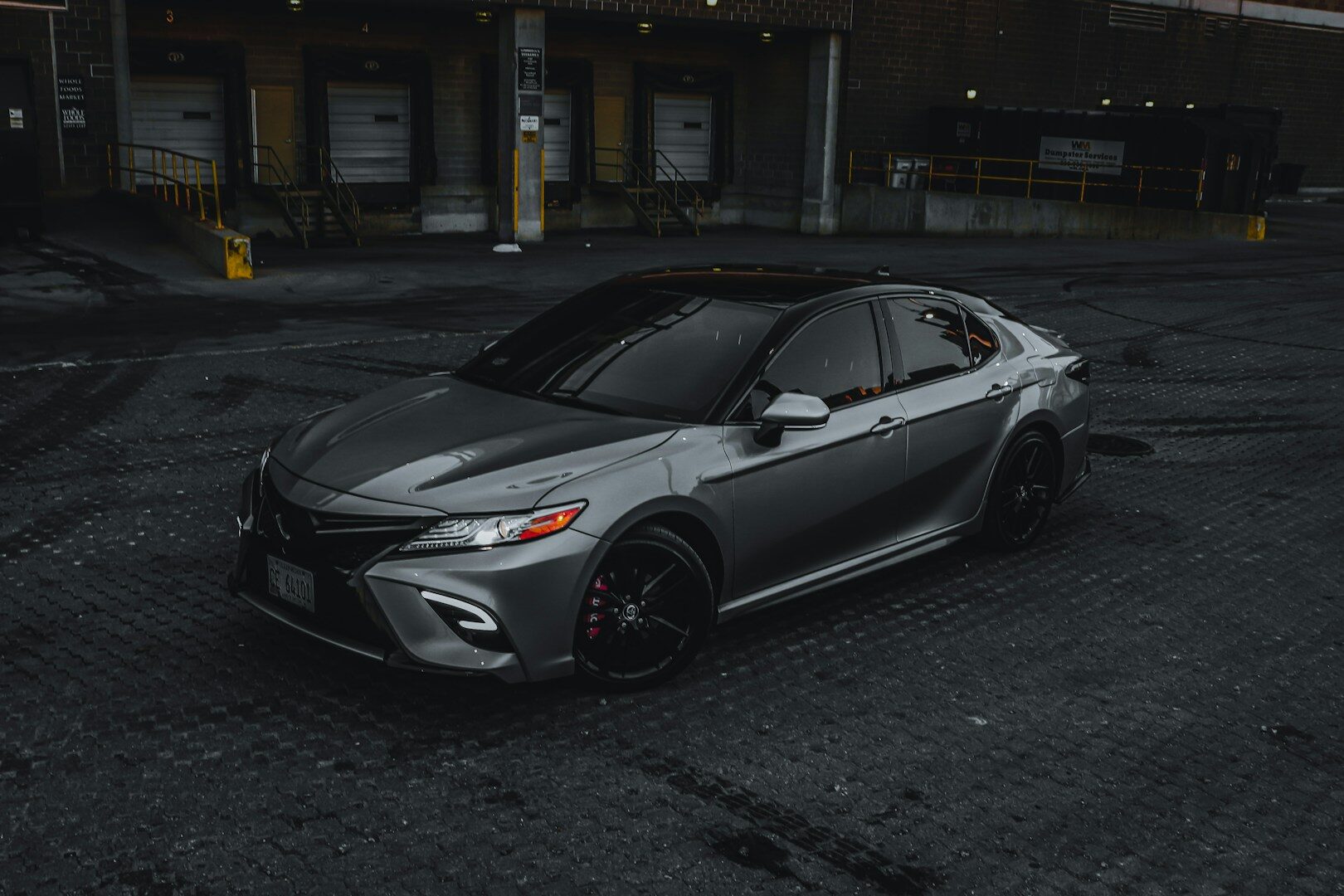
Toyota is telling 508,000 Camry owners to bring their car to a dealership so a technician can fix a problem the company could, in theory, solve from a server rack. That gap, between what’s technically possible and what Toyota is actually doing, is the real story hiding inside this recall, not the blank screen itself.
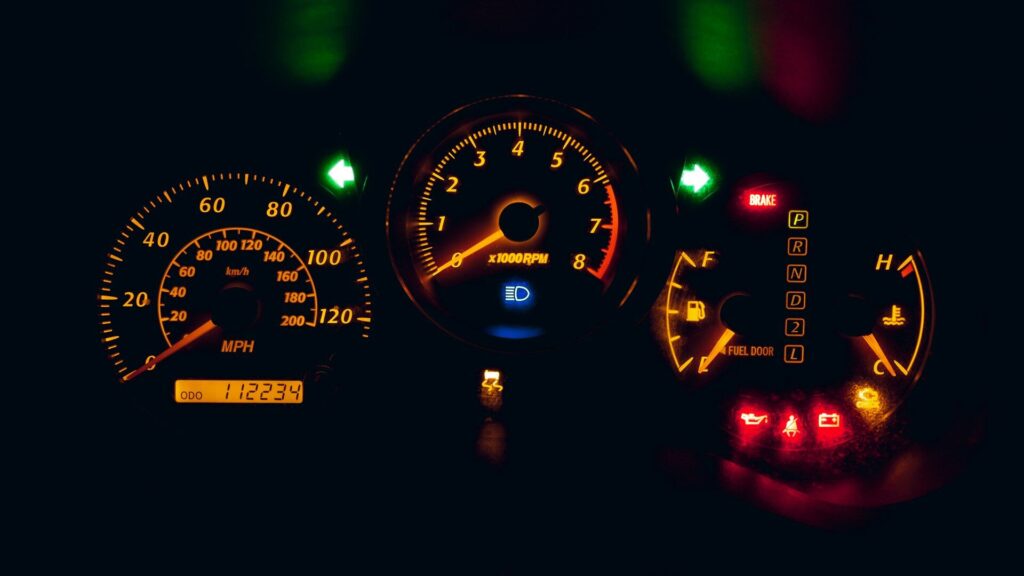
Here’s what happened: Toyota is recalling the 2025 and 2026 Camry, but only the LE, SE, and Nightshade trims, because the 7-inch combination meter those trims use can go blank the moment the car starts up. When it does, the driver loses the speedometer, but also, more alarmingly, the turn signals, the hazard lamps, and the seatbelt and smart-key warning chimes. Toyota’s own language on the defect is blunt: the automaker says the glitch “may become blank at startup,” and that the fallout can be enough that the car no longer meets certain federal safety standards.
Toyota will start mailing notices in early October 2026. The remedy is a dealer-installed software update, done for free. Higher Camry trims, the XLE and XSE, which use a 12.3-inch display instead, aren’t part of this campaign at all.
None of that would be worth a second look if it were an isolated event. It isn’t. This is Toyota’s third blank-instrument-cluster recall in roughly fourteen months, and the pattern across those three campaigns is where things get interesting.
The Trim That Didn’t Get the Easy Fix
Last November, Toyota filed a recall covering 591,377 vehicles, a sprawling list that included the RAV4, Highlander, GR Corolla, Crown, several Lexus models, and, worth noting, the 2025 Camry itself, for combination meters that could blank out at startup and hide the speedometer, brake warnings, and tire-pressure alerts. NHTSA’s own campaign filing spells out the fix: dealers updated the instrument panel software over the air, free of charge, for every non-plug-in-hybrid vehicle on that list. Plug-in hybrid owners needed a dealer visit for an inspection or software update, but everyone else got fixed automatically, probably overnight, without ever knowing there had been a problem. Then in May, Toyota recalled about 82,000 Land Cruiser, Mirai, Lexus UX, and Lexus GX models for the same category of defect on their 12.3-inch displays, and that one required a dealer visit too.
Now compare that to this month’s Camry campaign. No mention of a wireless fix. No mention of anything happening automatically while the car sits in the driveway. Just a letter, an appointment, and a service bay.
Why would Toyota fix the same basic category of defect differently across three recalls? The honest answer probably has less to do with the software bug and more to do with what hardware shipped in each car. A wireless update needs a data connection and a receiving module built to accept a remote flash, infrastructure Toyota has clearly built into higher trims and other recent models. The Camry’s base LE, SE, and Nightshade trims, the cheapest ways into Toyota’s best-selling sedan, apparently don’t have it, at least not for this fix. So the owners who paid the least for their Camry are the ones losing a morning to a dealership, while owners of pricier Toyota and Lexus products, including last year’s Camry recall, got their fix delivered like a phone update.
That’s worth sitting with, because The Auto Wire has already reported on why automakers are racing to build this exact capability. A recent market analysis put the global business of automotive over-the-air software updates at $17 billion by 2033, and the real payoff isn’t the software itself, it’s the ability to erase a recall from a dealer’s service schedule entirely. Every campaign a manufacturer can push through Wi-Fi instead of a service bay is warranty spending it never has to write a check for. Toyota clearly has that capability. It just isn’t extending it evenly across the Camry lineup, which means the two-tier system isn’t hypothetical anymore. It’s sitting on dealer lots right now, and which side of it an owner lands on depends on a trim badge.
Your Turn Signals Share a Brain With Your Speedometer Now
There’s a second detail buried in Toyota’s own description that deserves more attention than it’s getting: a blank instrument screen also knocked out the turn signals and hazard lamps. That’s not a cosmetic bug. For as long as cars have existed, turn signals ran on their own dumb, mechanical relay, immune to whatever the radio or gauges were doing. That independence was basically a safety feature by accident. Modern instrument clusters fold signaling, telltale lights, and infotainment into a single software-controlled module, which means a boot glitch in the display firmware can now take federally mandated lighting equipment down with it. Toyota didn’t design the Camry to disable turn signals. It designed a combination meter that happens to also run them, and the two failed together.
That’s a meaningfully different engineering problem than a simple screen glitch, and it’s the kind of shared-fate architecture showing up across the industry. Mercedes-Benz disclosed a nearly identical 144,049-vehicle blank-cluster recall this summer, and Hyundai recalled Tucsons for a dashboard that could reboot mid-drive. None of these companies set out to build a car that could momentarily lose its turn signals. They built a car where the turn signals share a brain with the trip computer, and eventually the brain hiccupped.
The Two Scorecards
Toyota didn’t become the industry’s reliability benchmark by accident, and this recall doesn’t undo that reputation. But it does show that reliability now runs on two separate scorecards. One is the old one: engines, transmissions, rust. Toyota still wins that one running away. The other is newer, measured in boot sequences and firmware regressions, and on that scorecard, three blank-dashboard recalls in fourteen months is not a small footnote. Toyota is hardly alone in learning this the hard way. Ford’s own recall record shows how quickly a manufacturer’s tally can balloon once software joins hardware on the list of things that can fail.
The number to remember from this recall isn’t 508,000. It’s zero, as in the number of times an owner of the “wrong” trim should have to take a day off work to fix a problem that, on a nicer trim, would have quietly fixed itself overnight.