
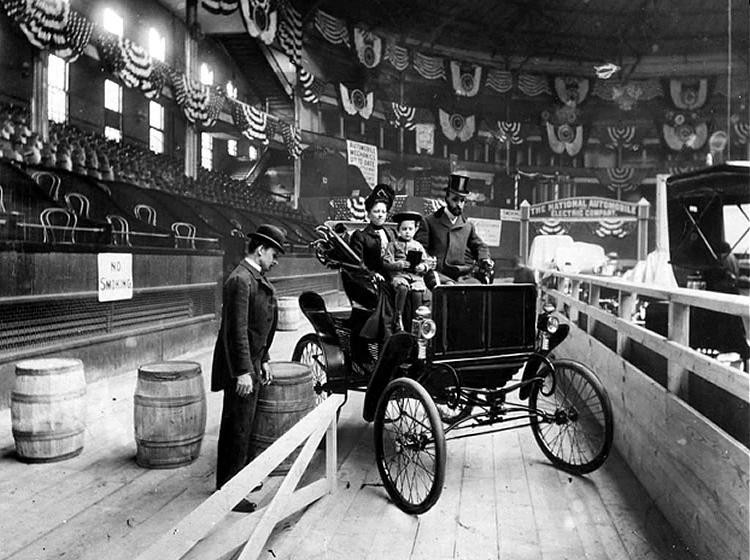
On the evening of September 13, 1899, a 69-year-old New York real estate broker named Henry H. Bliss stepped off a southbound trolley at West 74th Street and Central Park West in Manhattan. As he turned to help a woman passenger down, an electric-powered taxicab struck him and threw him to the pavement, crushing his skull and chest. He was rushed to Roosevelt Hospital, but doctors could not save him. Bliss died early the next morning, September 14, 1899, becoming the first person on record killed by a motor vehicle in the United States.
What Happened That Night in Manhattan
The cab driver, Arthur Smith, said he had swerved around a parked delivery truck and had nowhere else to go. He was arrested and charged with manslaughter, one of the first criminal cases in the country to test how the law should treat a fatal collision involving an automobile, but a jury later acquitted him after finding neither malice nor negligence. Riding in the cab that evening was Dr. David Orr Edson, son of a former New York City mayor, a detail that guaranteed the case drew far more attention than a typical street accident of the era would have.
A Death That Arrived Ahead of the Law
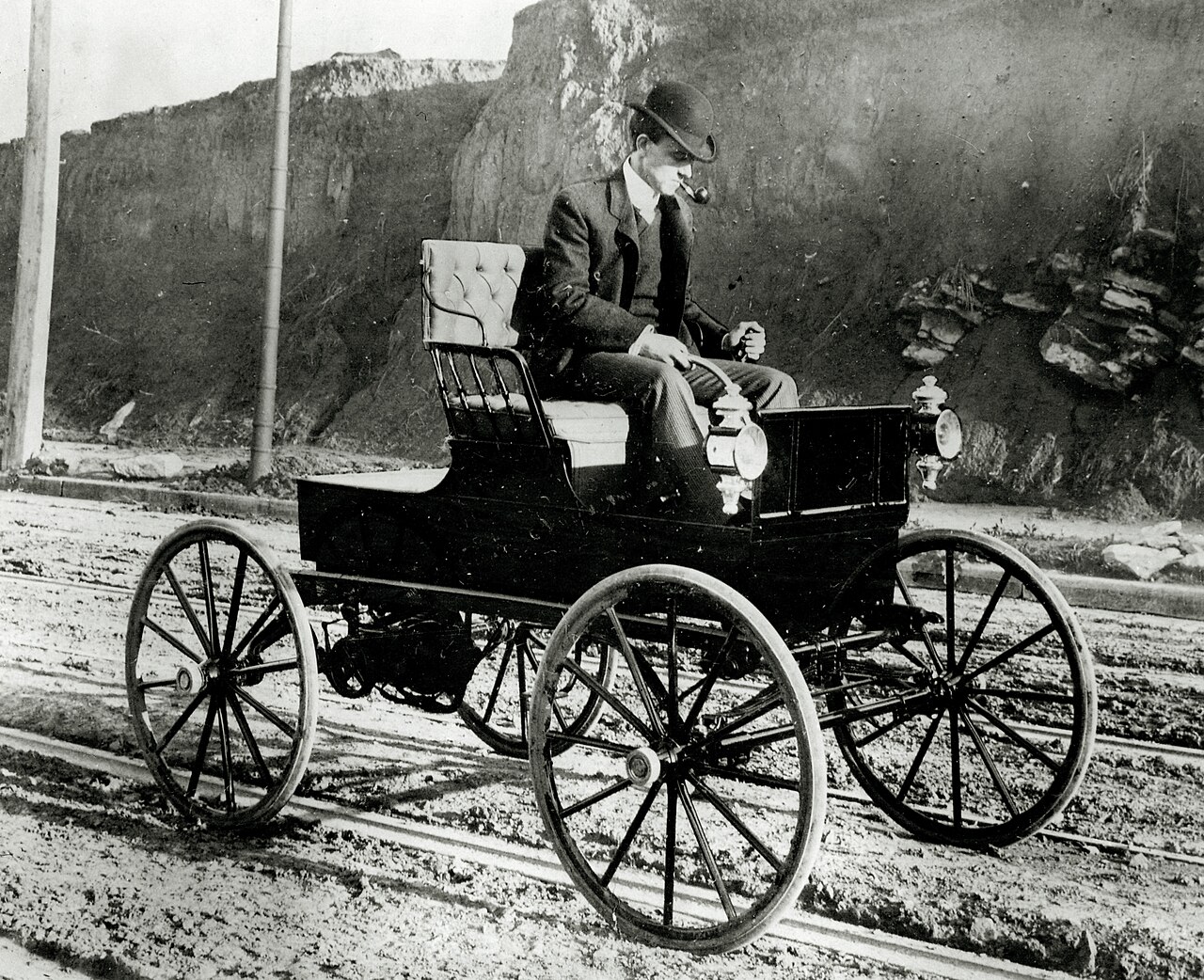
In 1899, only a few thousand motor vehicles existed on American roads, and there was essentially no traffic law built to govern them: no speed limits calibrated for automobiles, no crosswalk signals, no driver’s licenses in most states, and no agency responsible for vehicle safety. Bliss’s death exposed that vacuum immediately. Newspapers debated whether cities needed rules written specifically for “horseless carriages,” and Smith’s acquittal set an early, uneasy precedent: without statutes defining fault in auto collisions, prosecutors struggled to hold drivers accountable even when someone died. It took decades of rising death tolls before states adopted licensing, rules of the road, and mandatory insurance, the basic framework every driver now operates under.
From One Plaque to a National Safety System
A century later, in 1999, New York City marked the site with a plaque noting that Bliss had become “the first recorded motor vehicle fatality in the Western Hemisphere.” That marker was as much about the present as the past. By the late 1990s, tens of thousands of Americans were dying in car crashes every year, a toll that had already pushed lawmakers to build the agencies and rules drivers now take for granted, including the National Highway Traffic Safety Administration and the federal recall system it oversees. That regulatory apparatus is still hard at work today: manufacturers routinely face government-ordered fixes, from Ford’s recent recall over cracked engine pistons to the open NHTSA investigation into Tesla’s front suspension, and even routine coverage of large-scale SUV recalls reflects a system of accountability that simply did not exist in Bliss’s lifetime.
Why September 14, 1899, Still Matters on the Road Today
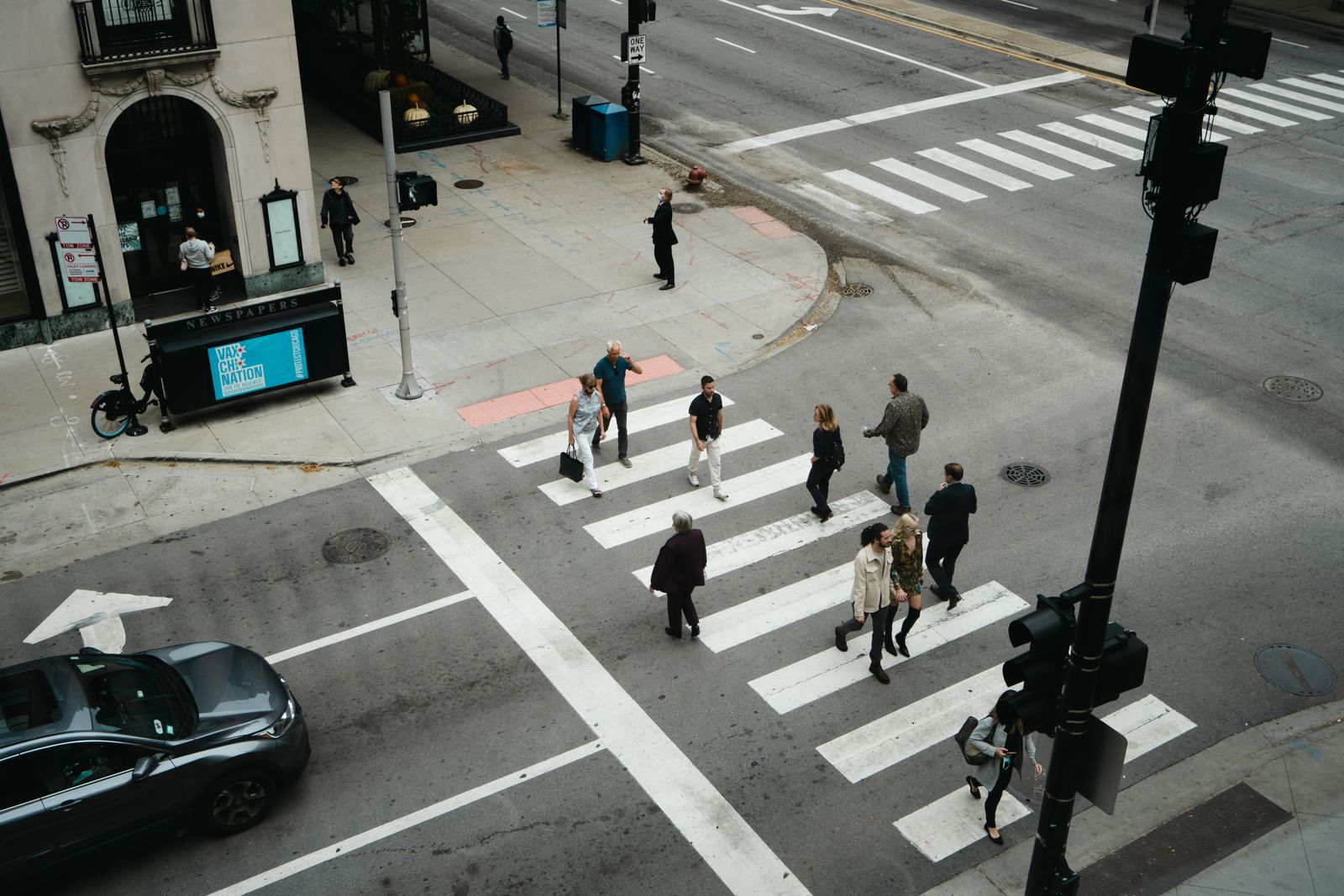
Pedestrian safety remains one of the auto industry’s hardest unsolved problems, which is what makes Bliss’s death more than a historical footnote. Automatic emergency braking, pedestrian-detection sensors, and pedestrian-specific crash-test ratings are all modern answers to the same basic question raised on that Manhattan street corner: how do you keep a several-thousand-pound machine from killing the people walking near it. The industry still hasn’t fully answered that question. As a recent fatal crash involving driver-assist technology in Wisconsin showed, sensors and safety systems can only do so much when a human behind the wheel is momentarily distracted. The crosswalk laws, right-of-way statutes, and jaywalking rules drivers follow, or ignore, every day all trace back in some form to the legal gaps Bliss’s case first exposed.
More than 125 years later, the fundamentals haven’t changed as much as the technology has. A pedestrian stepping off a curb is still vulnerable to a vehicle driven by an inattentive or unlucky motorist, and the rules governing who is at fault, how cars must be built, and when a manufacturer must fix a dangerous defect are all still being written and rewritten. Henry Bliss’s death on September 14, 1899, didn’t just claim a life. It opened a debate about vehicle safety and driver responsibility that the auto industry, regulators, and everyday drivers are still having today.